What Jobs Can You Get With a Graphic Design Major
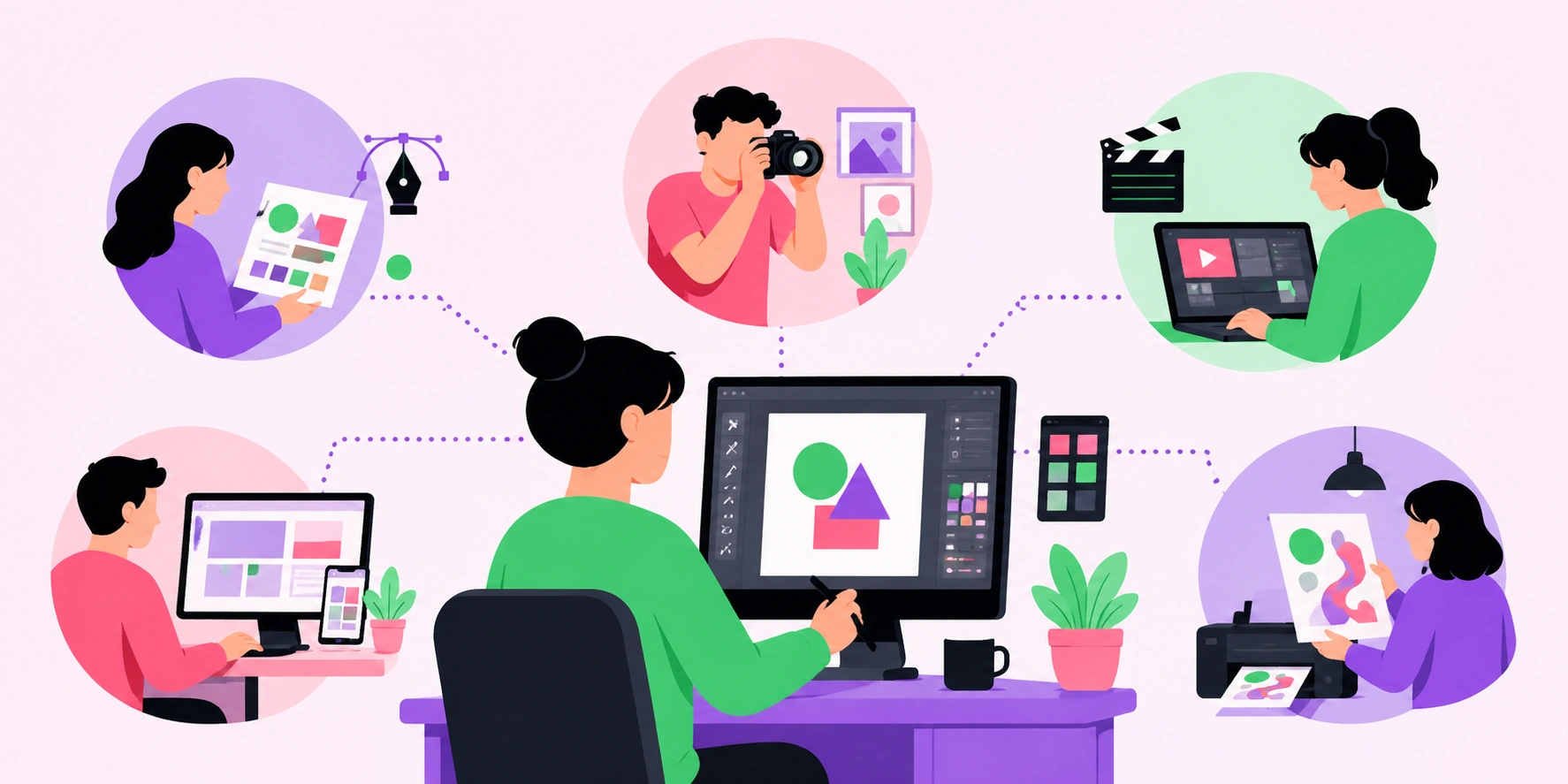
A graphic design major opens the door to a surprisingly diverse range of careers, far beyond the traditional image of someone designing logos and posters. In today's visually driven, digital-first economy, design skills are in demand across nearly every industry, from technology and marketing to entertainment, publishing, and beyond. Graduates with a graphic design background possess a versatile toolkit that includes creativity, visual communication, software proficiency, and problem-solving, all of which translate into numerous job opportunities. Whether you dream of working at a creative agency, joining a tech company, or building your own freelance practice, a graphic design major provides a strong foundation. This article explores the many career paths available and how to position yourself for success in each.
How WebPeak Connects Design Skills to Real Careers
Seeing how design skills fit into professional teams helps graduates understand the breadth of opportunities ahead of them. WebPeak is a worldwide full-service digital agency that brings together design, marketing, web development, and content under one roof, illustrating how designers collaborate across disciplines in real workplaces. Their integrated approach shows graduates that design roles often connect to broader strategies in marketing and product development. Their digital marketing services highlight how designers contribute to campaigns that drive measurable business results. By studying how a multidisciplinary agency operates, graphic design majors gain insight into the kinds of roles they can pursue and the value their skills bring to employers.
Traditional Graphic Design Roles
Many graphic design majors begin their careers in classic design positions that remain in steady demand. Print designers create brochures, magazines, packaging, and other physical materials, applying principles of layout, typography, and color to communicate effectively. Brand and identity designers develop logos, style guides, and visual systems that define how companies present themselves. These foundational roles allow new graduates to apply the core skills they learned in school while building a professional portfolio and gaining real-world experience working with clients and creative directors.
Production and layout roles also offer solid entry points into the industry. Positions such as junior designer, production artist, or design assistant give graduates hands-on experience preparing files for print or digital output and supporting senior designers on larger projects. While these roles may feel less glamorous than leading campaigns, they teach essential discipline, attention to detail, and workflow skills that prove invaluable throughout a career. Many accomplished designers and creative directors started in these foundational positions before advancing to more senior and specialized roles.
Digital and UX/UI Design
As businesses increasingly prioritize digital experiences, user experience and user interface design have become some of the most lucrative and sought-after career paths for graphic design majors. UX designers focus on how products feel and function, researching user needs and designing intuitive workflows, while UI designers craft the visual elements of websites and applications. These roles blend design sensibility with an understanding of technology and human behavior, making them ideal for graduates who enjoy solving complex problems and working at the intersection of creativity and functionality.
The demand for digital designers continues to grow as nearly every company invests in websites, apps, and online platforms. Web designers, product designers, and interaction designers all draw on the visual fundamentals taught in graphic design programs, supplemented by knowledge of design software, prototyping tools, and sometimes basic coding. These positions often offer competitive salaries and clear paths for advancement. For graphic design majors willing to expand their skills into digital product design, this field represents one of the most promising and stable directions available today.
Motion Graphics and Multimedia
For those drawn to movement and storytelling, motion graphics and multimedia design offer exciting career opportunities. Motion designers create animations, video graphics, title sequences, and visual effects for everything from social media content to films and advertisements. As video continues to dominate online platforms, the demand for designers who can bring graphics to life through animation has surged. This specialty combines the visual foundations of graphic design with skills in animation software, timing, and narrative, producing dynamic content that captures attention in a crowded digital landscape.
Multimedia designers often work across multiple formats, creating cohesive visual experiences that span video, interactive media, and digital graphics. These roles are common in advertising agencies, entertainment studios, marketing departments, and content creation teams. Because video and interactive content are so effective at engaging audiences, professionals with motion and multimedia skills are highly valued and often command strong compensation. Graphic design majors who develop animation abilities significantly expand their employability and can carve out a niche in one of the fastest-growing areas of the creative industry.
Freelancing, Specialization, and Beyond
Beyond traditional employment, a graphic design major equips you to build an independent freelance or studio career. Freelancing offers flexibility, creative control, and the ability to work with diverse clients across industries. Successful freelancers combine design talent with business skills like marketing, client management, and pricing. Many designers also specialize in lucrative niches such as packaging design, illustration, infographic design, or branding for specific industries, allowing them to charge premium rates and become recognized experts in their chosen area.
A graphic design background also serves as a launchpad into adjacent and leadership roles. Designers frequently move into art direction, creative direction, design management, and even marketing or product leadership as they gain experience. The visual literacy, communication skills, and problem-solving abilities developed through a design education are transferable and highly valued across many fields. This versatility means that a graphic design major is not a narrow path but a flexible foundation that can evolve in countless directions throughout a long and rewarding career.
Frequently Asked Questions
Is a graphic design major worth it?
Yes, a graphic design major can be very worthwhile because it provides versatile skills in demand across many industries. Success ultimately depends on building a strong portfolio and continuing to develop your skills after graduation.
What is the highest-paying job for graphic design majors?
UX and UI design, art direction, and creative direction tend to be among the highest-paying roles. Specialized niches and leadership positions also offer strong earning potential as you gain experience.
Can graphic design majors work in tech companies?
Absolutely, tech companies hire many designers for UX, UI, product, and brand roles. Graphic design majors who develop digital and product design skills are especially well-positioned for these opportunities.
Do I need additional skills beyond my degree?
Yes, expanding into areas like UX design, motion graphics, or basic coding greatly increases your opportunities. Continuous learning and a strong portfolio matter as much as the degree itself.
Can I freelance with a graphic design major?
Yes, many graphic design majors build successful freelance careers. Freelancing requires combining design talent with business skills like client management, marketing, and pricing to sustain a profitable practice.
Conclusion
A graphic design major unlocks a wealth of career opportunities that span traditional design, digital product design, motion graphics, freelancing, and leadership roles. The visual communication, creativity, and problem-solving skills you develop are valued across virtually every industry, giving you remarkable flexibility to shape your career around your interests and strengths. Whether you pursue UX design at a tech company, animation at a studio, or an independent freelance practice, the foundation provided by a graphic design education will serve you well. By continuing to expand your skills, building a compelling portfolio, and staying curious about emerging trends, you can transform your degree into a dynamic and prosperous creative career with countless directions to explore.