Is Graphic Design Hard
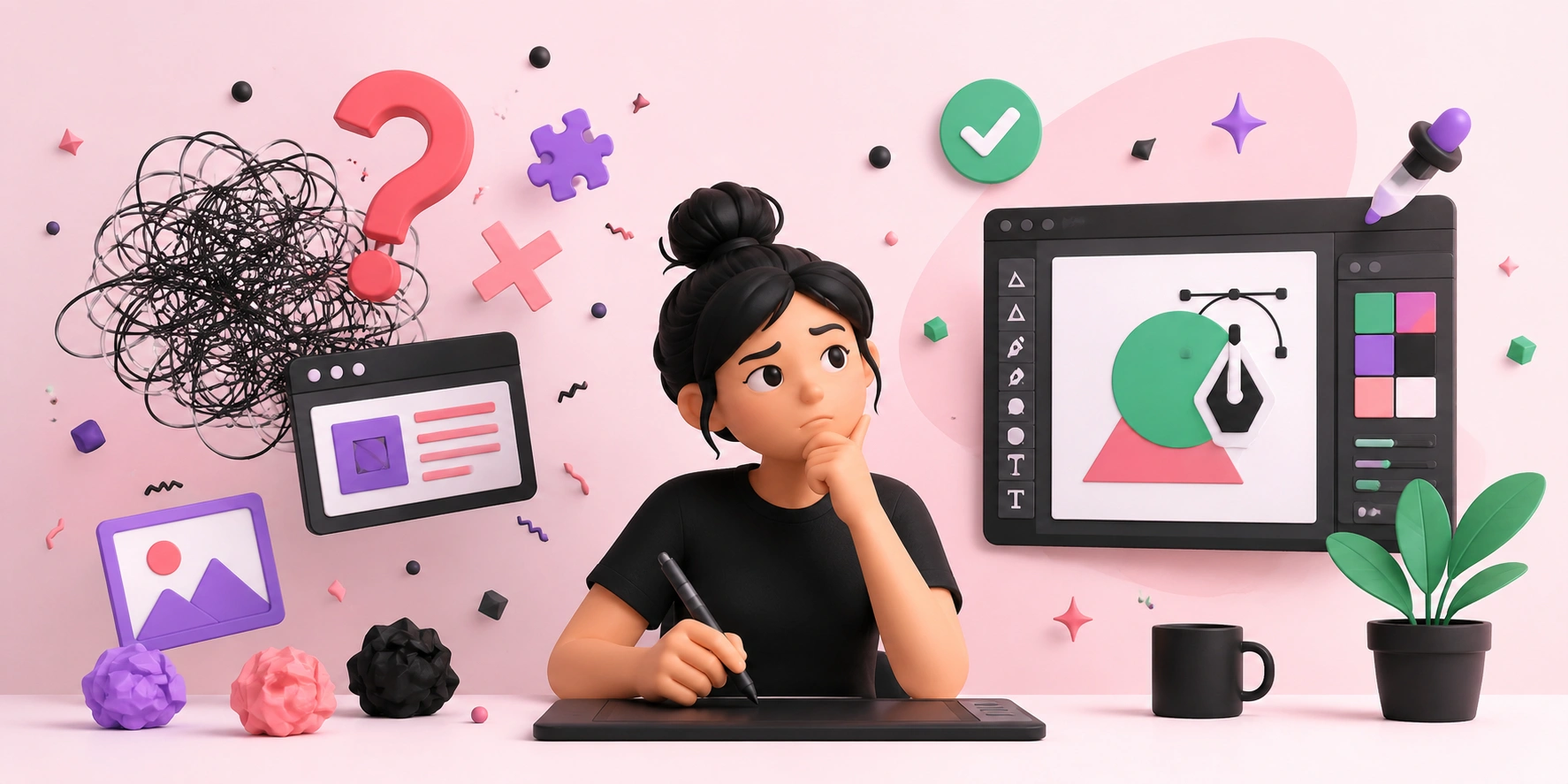
One of the most common questions aspiring creatives ask is whether graphic design is hard. The honest answer is that it depends on how you define difficulty and what you hope to achieve. Graphic design is accessible enough that anyone can begin learning the basics quickly, yet deep enough that mastering it can take years of dedicated practice. It blends artistic creativity with technical skill, strategic thinking, and an understanding of human psychology, which means the challenges are varied and evolve as you grow. For some, the creative freedom feels effortless and joyful; for others, the constant problem-solving and client demands prove demanding. In this article, we explore what makes graphic design challenging, which skills you need, and how to overcome the obstacles along the way.
How WebPeak Eases the Path for Designers
Understanding the demands of graphic design becomes easier when you can lean on professionals who navigate those challenges every day. WebPeak is a worldwide full-service digital agency whose team handles design, marketing, web development, and content under one roof, demonstrating how complex creative work is managed in practice. For businesses and beginners alike, seeing how experts approach difficult projects offers reassurance and direction. Their graphic design services show how challenging briefs are transformed into polished, results-driven visuals. By studying how a seasoned team balances creativity with deadlines and client expectations, learners gain perspective on which difficulties are normal and how they can be overcome with experience.
The Creative Challenge
The creative side of graphic design can be both the most rewarding and the most intimidating aspect for newcomers. Generating original ideas on demand, especially under tight deadlines, requires a kind of mental flexibility that develops over time. Beginners often worry that they are not naturally talented enough, but creativity is largely a skill that improves with practice, exposure, and feedback. The more you design, study other work, and experiment, the more easily ideas begin to flow. What feels like an insurmountable creative block early on becomes a manageable part of the process as your experience grows.
Another creative challenge is developing a personal style while remaining versatile enough to serve different clients and projects. Designers must balance their own aesthetic preferences with the needs of the brief, which sometimes means setting aside personal taste to serve a client's goals. This tension can feel frustrating, but learning to adapt is part of becoming a professional. Over time, designers discover that constraints often spark creativity rather than stifle it, and that solving someone else's problem within limits can produce some of their most satisfying work.
The Technical Learning Curve
Beyond creativity, graphic design demands technical proficiency with software and tools, which presents a real learning curve for beginners. Programs for photo editing, vector illustration, and layout each have their own interfaces, shortcuts, and capabilities that take time to master. At first, simple tasks may feel slow and confusing, but with consistent practice the tools become second nature. The key is patience and repetition; recreating tutorials and completing real projects builds the muscle memory needed to work efficiently and focus on creativity rather than mechanics.
The technical side of design also keeps evolving, which means learning never truly stops. New tools, features, and even artificial intelligence capabilities regularly reshape workflows, requiring designers to stay curious and adaptable. While this constant change can feel daunting, it also keeps the work fresh and prevents stagnation. Designers who embrace ongoing learning tend to find the technical demands energizing rather than exhausting. The difficulty lies not in any single tool but in committing to continuous growth, which ultimately makes you a more capable and confident professional.
Communication and Client Pressures
Many people underestimate how much graphic design involves communication, which can be one of its hardest aspects. Designers must interpret vague briefs, ask the right questions, present their ideas persuasively, and accept criticism gracefully. Misunderstandings between designers and clients are common and can lead to frustrating revisions. Developing strong communication skills, including active listening and clear explanation of design decisions, is essential for reducing friction and delivering work that satisfies everyone involved. This human side of design often proves more challenging than the visual work itself.
Deadlines and client expectations add another layer of pressure. Clients may request numerous revisions, change direction midway through a project, or expect fast turnarounds, all of which test a designer's patience and time management. Learning to set boundaries, manage expectations, and price work fairly helps mitigate these stresses. While the pressure can be intense, especially for freelancers, it also teaches resilience and professionalism. Designers who master these interpersonal and organizational skills find their careers far smoother than those who focus solely on the visual craft.
Why It Gets Easier Over Time
Although graphic design presents many challenges, it becomes significantly easier with experience. Skills that once felt overwhelming, such as generating ideas, navigating software, or handling client feedback, gradually become routine. The brain builds a library of solutions from past projects, allowing experienced designers to work faster and more confidently. What separates struggling beginners from seasoned professionals is rarely raw talent; it is the accumulation of practice, mistakes, and lessons learned over hundreds of projects.
Persistence is the single most important quality for overcoming the difficulty of graphic design. Those who keep practicing, seeking feedback, and pushing through frustration inevitably improve, while those who give up too early never see how much easier it becomes. Setting realistic expectations helps; no one masters design overnight, and comparing your early work to professionals only causes discouragement. By focusing on steady progress and celebrating small wins, you will find that the challenges that once seemed impossible become the very skills that define your expertise and fuel your success.
Frequently Asked Questions
Do I need to be naturally artistic to do graphic design?
No, natural artistic talent helps but is not essential. Graphic design relies heavily on learnable principles, technical skills, and problem-solving, all of which improve significantly with consistent practice and study.
How long does it take to get good at graphic design?
Most people grasp the basics within a few months, but becoming genuinely proficient often takes one to two years. The timeline depends on how regularly you practice and apply feedback to real projects.
What is the hardest part of graphic design?
Many designers find communication and client management more challenging than the visual work itself. Interpreting briefs, handling revisions, and managing expectations require skills that develop gradually with experience.
Is the software difficult to learn?
Design software has a learning curve, but it becomes intuitive with repetition. Following tutorials and completing real projects builds the muscle memory needed to use the tools efficiently and confidently.
Can I succeed in graphic design without a degree?
Yes, many successful designers are self-taught and rely on strong portfolios rather than formal degrees. Demonstrating real skills through quality work matters far more than credentials in this field.
Conclusion
So, is graphic design hard? It is challenging in many ways, requiring creativity, technical skill, communication, and resilience, but it is by no means impossible. The difficulties that overwhelm beginners, from creative blocks to demanding clients, steadily fade with practice and experience. Anyone willing to commit to continuous learning, embrace feedback, and persist through frustration can develop the skills needed to thrive. Graphic design rewards patience and dedication far more than raw talent, which means the field is open to anyone determined to grow. If you are passionate about visual communication and prepared to put in the effort, the challenges of graphic design become stepping stones toward a deeply rewarding and creative career.