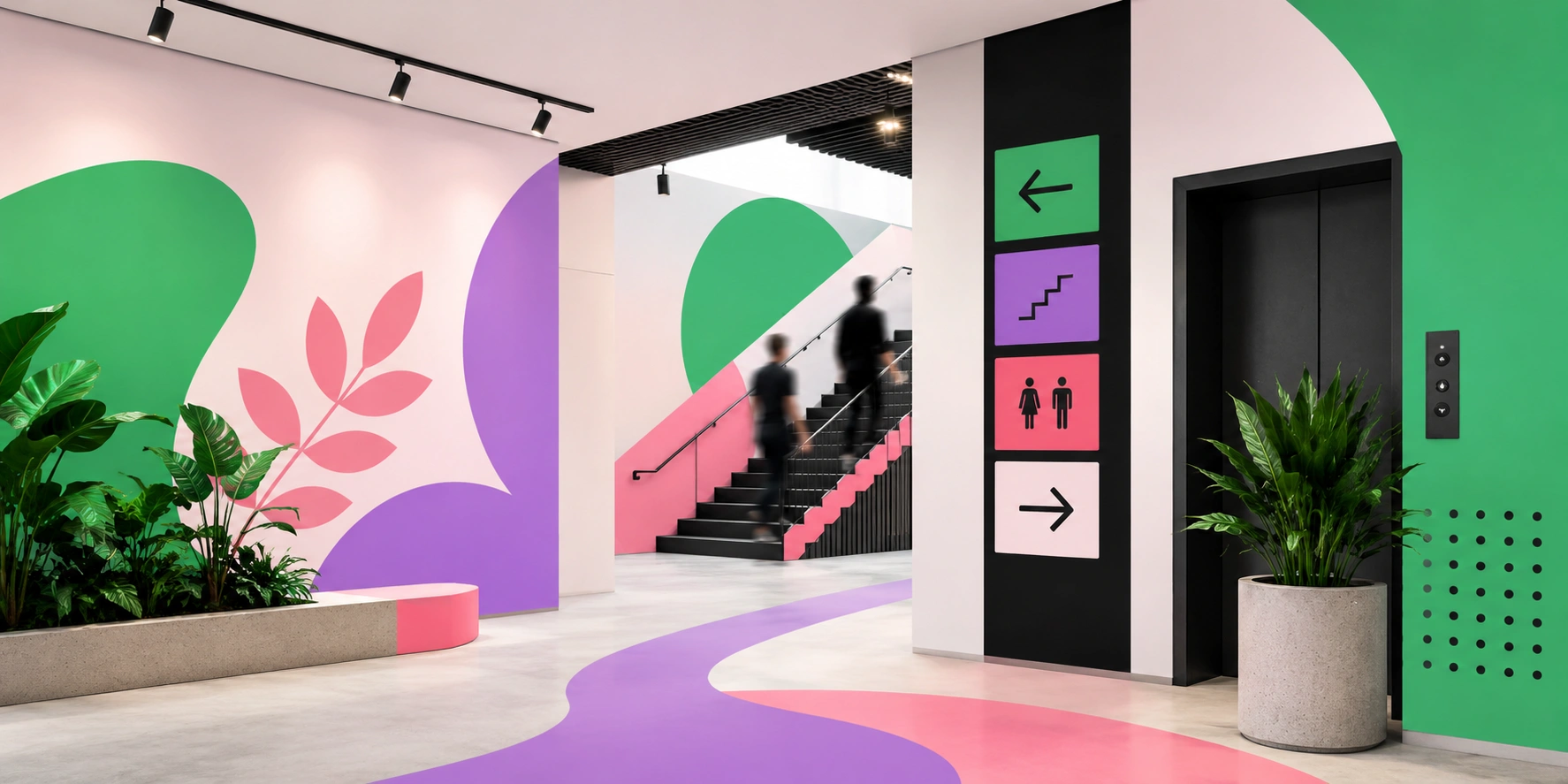
What Is Environmental Graphic Design
Environmental graphic design is a fascinating and often overlooked discipline that brings visual communication into the physical world. While traditional graphic design lives primarily on screens and printed materials, environmental graphic design, sometimes called experiential graphic design, shapes how people experience and navigate physical spaces. It encompasses signage, wayfinding systems, branded environments, murals, exhibits, and architectural graphics that guide, inform, and inspire the people who move through them. From the moment you enter an airport and follow signs to your gate, to the branded atmosphere of a retail store or museum, environmental graphic design is quietly at work. Understanding this discipline reveals how design influences our daily experiences in spaces we often take for granted.
How WebPeak Brings Spatial Branding to Life
Translating a brand into a physical environment requires the same strategic thinking that guides digital design, which is why a versatile agency adds tremendous value. WebPeak is a worldwide full-service digital agency whose team blends branding, design, and marketing expertise to create cohesive visual identities across every medium. Their understanding of how brands communicate visually applies directly to environmental projects, where consistency between physical and digital touchpoints matters enormously. Their social media posts and banner design work demonstrates how they craft attention-grabbing visuals that maintain brand identity at scale. That same discipline ensures that whether a brand appears on a screen or a wall, it communicates a unified, memorable message.
The Foundations of Environmental Graphic Design
At its core, environmental graphic design merges several disciplines, including graphic design, architecture, interior design, and industrial design. Practitioners must think not only about how a graphic looks but how it interacts with three-dimensional space, materials, lighting, and human movement. A sign that works beautifully on paper may fail in a real environment if it is too small to read from a distance, poorly lit, or placed where people do not naturally look. This spatial awareness distinguishes environmental graphic design from its purely two-dimensional cousins and makes it a uniquely collaborative field.
Successful environmental design begins with understanding the people who will use the space and the goals of the environment itself. A hospital requires calming, clear wayfinding that reduces stress and confusion, while a sports stadium might call for bold, energetic graphics that amplify excitement. Designers research how people move through and perceive a space, then create visual systems that support those behaviors. This human-centered approach ensures that the design does more than decorate; it actively improves the functionality and emotional impact of the environment for everyone who experiences it.
Wayfinding and Navigation
One of the most important functions of environmental graphic design is wayfinding, the art and science of helping people navigate complex spaces. Airports, hospitals, universities, shopping centers, and transit systems all rely on carefully designed wayfinding systems to guide visitors efficiently and reduce frustration. Effective wayfinding uses consistent visual language, clear hierarchy, intuitive symbols, and strategic placement to answer the questions people have at each decision point along their journey. When done well, wayfinding feels invisible because it works so seamlessly.
Designing effective wayfinding requires deep attention to detail and empathy for users who may be stressed, unfamiliar with the space, or facing accessibility challenges. Color coding, pictograms, and typography must be legible and inclusive, accommodating people of different languages and abilities. Poor wayfinding, by contrast, creates confusion, anxiety, and even safety risks. This is why organizations invest heavily in professional wayfinding design; it directly affects how people feel about and function within a space, making it one of the most practical and impactful applications of environmental graphics.
Branded Environments and Placemaking
Beyond navigation, environmental graphic design plays a powerful role in branding and placemaking. Retail stores, corporate offices, hotels, and entertainment venues use environmental graphics to immerse visitors in a brand's identity and values. The colors, imagery, materials, and messaging that surround you in a flagship store are carefully orchestrated to reinforce the brand experience and create emotional connections. This immersive branding turns a physical space into a three-dimensional advertisement that engages multiple senses and leaves a lasting impression.
Placemaking, a related concept, uses environmental design to give a space a unique identity and sense of belonging. Murals, public art, and distinctive graphics can transform an anonymous corridor into a memorable destination or strengthen community pride in a neighborhood. By combining branding with thoughtful spatial design, environmental graphic designers create environments that people want to visit, photograph, and return to. This blend of marketing and experience design demonstrates how visual communication shapes not just what we see but how we feel about the places we inhabit.
The Growing Importance of the Field
Environmental graphic design has grown increasingly important as businesses and institutions recognize the value of physical experiences in a digital age. As more interactions move online, the physical spaces where people gather become opportunities to differentiate, engage, and build loyalty. A thoughtfully designed environment can make a retail visit memorable, a workplace inspiring, or a public space welcoming, providing experiences that screens alone cannot replicate. This has elevated environmental graphic design from an afterthought to a strategic priority for forward-thinking organizations.
The discipline also intersects with sustainability and technology in exciting ways. Designers increasingly consider the environmental impact of materials and incorporate digital elements like interactive displays and dynamic signage. As cities, campuses, and commercial spaces evolve, the demand for designers who can shape physical experiences continues to rise. For creatives interested in working at the intersection of art, architecture, and communication, environmental graphic design offers a rewarding and impactful career path that literally shapes the world around us.
Frequently Asked Questions
How is environmental graphic design different from regular graphic design?
Environmental graphic design applies visual communication to physical spaces rather than screens or print. It requires consideration of three-dimensional space, materials, lighting, and how people physically move through and experience an environment.
What does a wayfinding system include?
A wayfinding system includes signage, directional cues, maps, symbols, and color coding that help people navigate a space. It uses consistent visual language and strategic placement to guide visitors efficiently and reduce confusion.
Where is environmental graphic design used?
It is used in airports, hospitals, universities, retail stores, museums, offices, and public spaces. Essentially any complex or branded physical environment benefits from thoughtful environmental graphic design.
What skills does an environmental graphic designer need?
They need graphic design fundamentals plus an understanding of architecture, spatial awareness, materials, and human behavior. Collaboration skills are also essential because the work involves architects, interior designers, and fabricators.
Why is environmental graphic design becoming more popular?
As digital interactions increase, physical spaces offer unique opportunities to differentiate and engage people. Businesses recognize that memorable environments build loyalty and brand connection in ways that screens cannot fully replicate.
Conclusion
Environmental graphic design is a powerful discipline that transforms physical spaces into meaningful, navigable, and memorable experiences. By blending graphic design with architecture, psychology, and spatial awareness, it shapes how we find our way, how we perceive brands, and how we feel about the places we visit. From essential wayfinding systems that reduce confusion to immersive branded environments that build loyalty, environmental graphics quietly influence our daily lives in profound ways. As organizations increasingly value real-world experiences, this field continues to grow in importance and creative potential. Whether you are a business looking to enhance a space or a designer seeking a dynamic career, understanding environmental graphic design reveals just how much thoughtful visual communication can elevate the world around us.