What is Packaging Design and How It Influences Buying Decisions
Walk down any retail aisle and you are participating in a silent psychological experiment. Within seconds, your eyes scan dozens of products, your brain filters thousands of micro-signals, and you reach for one specific package — often without consciously knowing why. That "why" is packaging design at work. It is the discipline of crafting the physical and visual presentation of a product to communicate value, evoke emotion, and ultimately drive a purchase. In an era of overflowing shelves and infinite e-commerce options, packaging design has evolved from a protective necessity into one of the most powerful marketing assets a brand can own.
How WebPeak Crafts Packaging That Sells
Great packaging blends strategy, psychology, and stunning visual execution — and the team at WebPeak brings all three together. They help startups and established brands worldwide develop packaging systems that stand out on shelves and screens alike, balancing aesthetics with structural functionality, sustainability, and regulatory compliance. From food and beverage to beauty, electronics, and luxury goods, their graphic design team creates packaging that turns first-time browsers into loyal customers and brand advocates.
What Packaging Design Really Includes
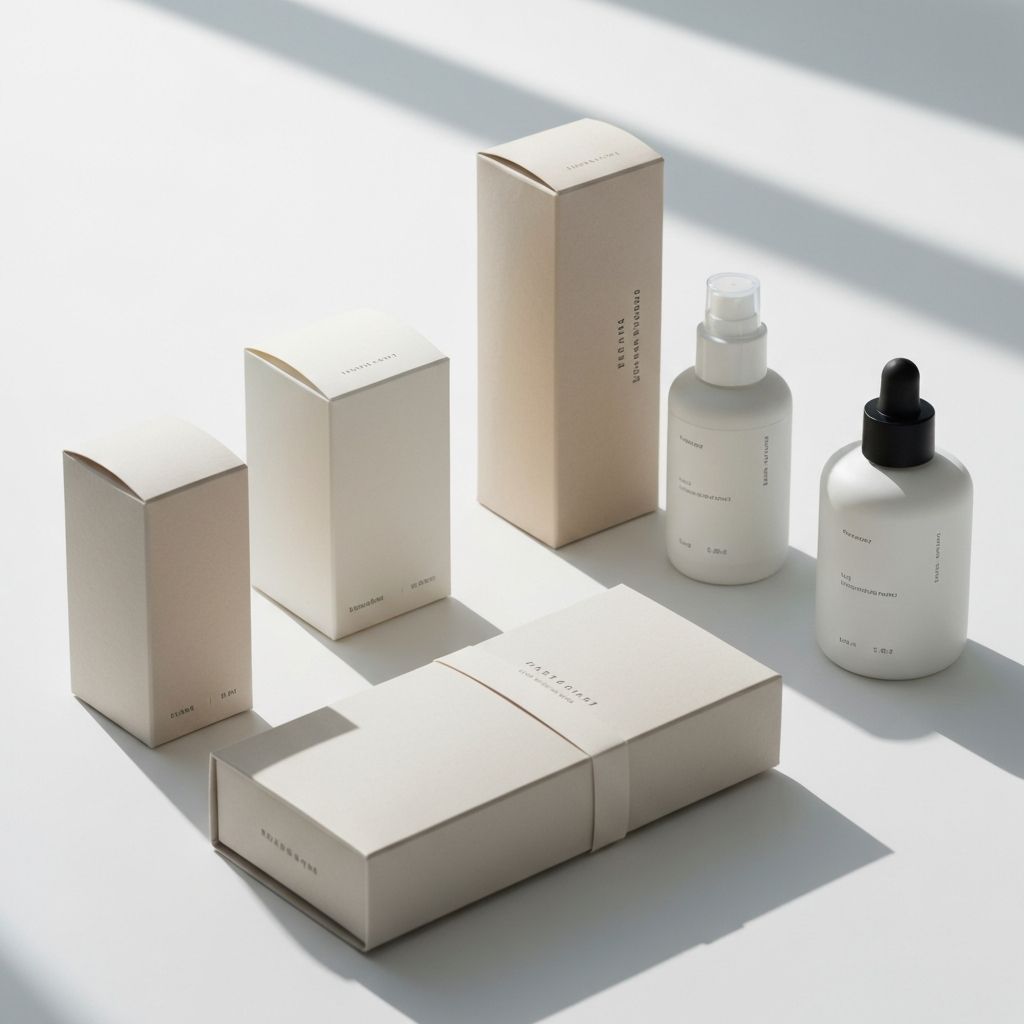
Packaging design is far more than the label on a box. It encompasses the structural form (the shape, material, and physical engineering of the container), the visual identity (logo, typography, color, and imagery), the informational hierarchy (product details, ingredients, instructions, and certifications), and the unboxing experience (how it opens, sounds, and feels in the customer's hands).
Modern packaging also accounts for digital touchpoints. How does it photograph for product listings? How does it look on social media? Does it include QR codes, NFC tags, or AR triggers that extend the experience beyond the physical product? Today's most successful packaging works as a complete sensory and digital ecosystem, not just a pretty wrapper.
The Psychology Behind Packaging Choices
Color is the fastest psychological trigger in packaging. Red conveys energy and urgency, blue signals trust and calm, green communicates natural and healthy, black implies luxury, and white suggests purity and minimalism. The wrong color choice can sabotage a product before the consumer even reads the label.
Typography shapes perception just as quickly. Serif fonts feel established and traditional, sans-serifs feel modern and clean, script fonts evoke craftsmanship or femininity, and bold display fonts shout confidence. Imagery works on a deeper layer, conveying lifestyle, aspiration, and cultural fit. When color, type, and imagery align with the target customer's identity, the product feels "made for me" — and that is the moment a sale becomes nearly certain.
How Packaging Drives Buying Decisions
Studies consistently show that 72% of consumers say packaging design directly influences their purchasing decisions. On crowded retail shelves, packaging is often the first — and sometimes the only — interaction a brand gets with a buyer. A clear, distinctive design helps the product get noticed; a strategic design then communicates quality, price tier, and benefit faster than any tagline.
In e-commerce, packaging plays a different but equally critical role: the unboxing moment. Premium brands like Apple, Glossier, and Allbirds have built entire identities around the ritual of opening their packages. Beautiful unboxing experiences generate user-generated content, social proof, and emotional loyalty that no paid ad can replicate. Investing in packaging is therefore investing in marketing — and pairing it with strong social media marketing amplifies its reach exponentially.
Sustainability and Modern Packaging Trends
Sustainability is no longer a niche concern — it is a baseline expectation. According to recent research, over 60% of consumers under 40 are willing to pay more for products in sustainable packaging. This means designers must balance aesthetics with materials science, choosing recyclable, biodegradable, or refillable solutions without sacrificing shelf appeal.
Other dominant trends in 2026 include minimalist label design, vibrant maximalist illustration, transparent windows that show the product itself, smart packaging with IoT integration, and personalized one-to-one designs powered by digital printing. The most forward-thinking brands treat packaging as a constantly evolving touchpoint, refreshing it every few years to stay current and culturally relevant.
Frequently Asked Questions
How much should a small business spend on packaging design?
Costs vary widely, from a few hundred dollars for a simple label refresh to tens of thousands for a full system including structural engineering. Most small brands start in the $1,500–$5,000 range for professional results.
What is the difference between primary, secondary, and tertiary packaging?
Primary packaging directly contains the product (a shampoo bottle), secondary holds the primary (a shampoo box), and tertiary is used for shipping and bulk transport (the cardboard carton).
How long does the packaging design process take?
A typical project takes 6–12 weeks, depending on complexity. This includes research, concept development, refinement, mockups, prototyping, and prepress preparation.
Should packaging match my website and brand identity?
Absolutely. Packaging is an extension of your brand and should feel cohesive with your logo, website, ads, and social media. Inconsistency erodes trust and weakens recognition.
Can good packaging design really increase sales?
Yes. Numerous studies have shown that packaging redesigns can lift sales by 10–30% when executed strategically, especially in competitive retail categories.
Conclusion
Packaging design is one of the most underrated yet powerful tools in modern marketing. It speaks faster than any ad, builds trust faster than any review, and shapes buying decisions before the customer even consciously processes a thought. By understanding the psychology of color, typography, imagery, structure, and sustainability, you can create packaging that does more than protect your product — it sells it. In a saturated market, your packaging is often your first impression, your salesperson, and your loudest brand ambassador all at once. Make it count.