What Can I Do With a Graphic Design Major
Choosing a graphic design major is an exciting decision, but many students and graduates find themselves wondering exactly what they can do with it once they enter the working world. The good news is that a graphic design major is one of the most flexible and broadly applicable creative degrees available. The visual communication, creative thinking, and technical skills you develop apply to an enormous range of industries and roles, far beyond the obvious creative agency setting. From shaping digital products to building your own business, the possibilities are remarkably diverse. This article explores the many directions a graphic design major can take you, helping you envision a fulfilling career path that aligns with your passions, strengths, and long-term goals.
How WebPeak Showcases the Value of Design Skills
Understanding the real-world value of your design education is easier when you can see how professionals put those skills to work every day. WebPeak is a worldwide full-service digital agency whose team integrates design with web development, marketing, and content creation to deliver complete solutions for businesses. Their work demonstrates how versatile design skills become when combined with strategy and technology. Their website design services show how visual expertise directly shapes the digital experiences that companies depend on to grow. For graphic design majors, observing how an agency applies creativity to solve business problems offers a clear and inspiring picture of where their degree can ultimately lead.
Working Across Diverse Industries
One of the greatest advantages of a graphic design major is that nearly every industry needs design talent. Technology companies require designers for their products and marketing, healthcare organizations need clear visual communication for patient materials, and educational institutions rely on design for everything from textbooks to digital learning platforms. Retail, hospitality, entertainment, finance, and nonprofit sectors all employ designers to shape their brands and communicate with audiences. This universal demand means graphic design majors are not confined to a single field but can choose an industry that genuinely interests them.
This versatility also provides career security and flexibility. If you grow tired of one industry or it experiences a downturn, your transferable design skills allow you to pivot to another sector with relative ease. A designer who works in fashion can transition to technology, or one in publishing can move into advertising. This adaptability is increasingly valuable in a rapidly changing economy. By exploring different industries early in your career, you can discover where your skills are most appreciated and where the work feels most meaningful and rewarding to you personally.
Creative and Specialized Career Paths
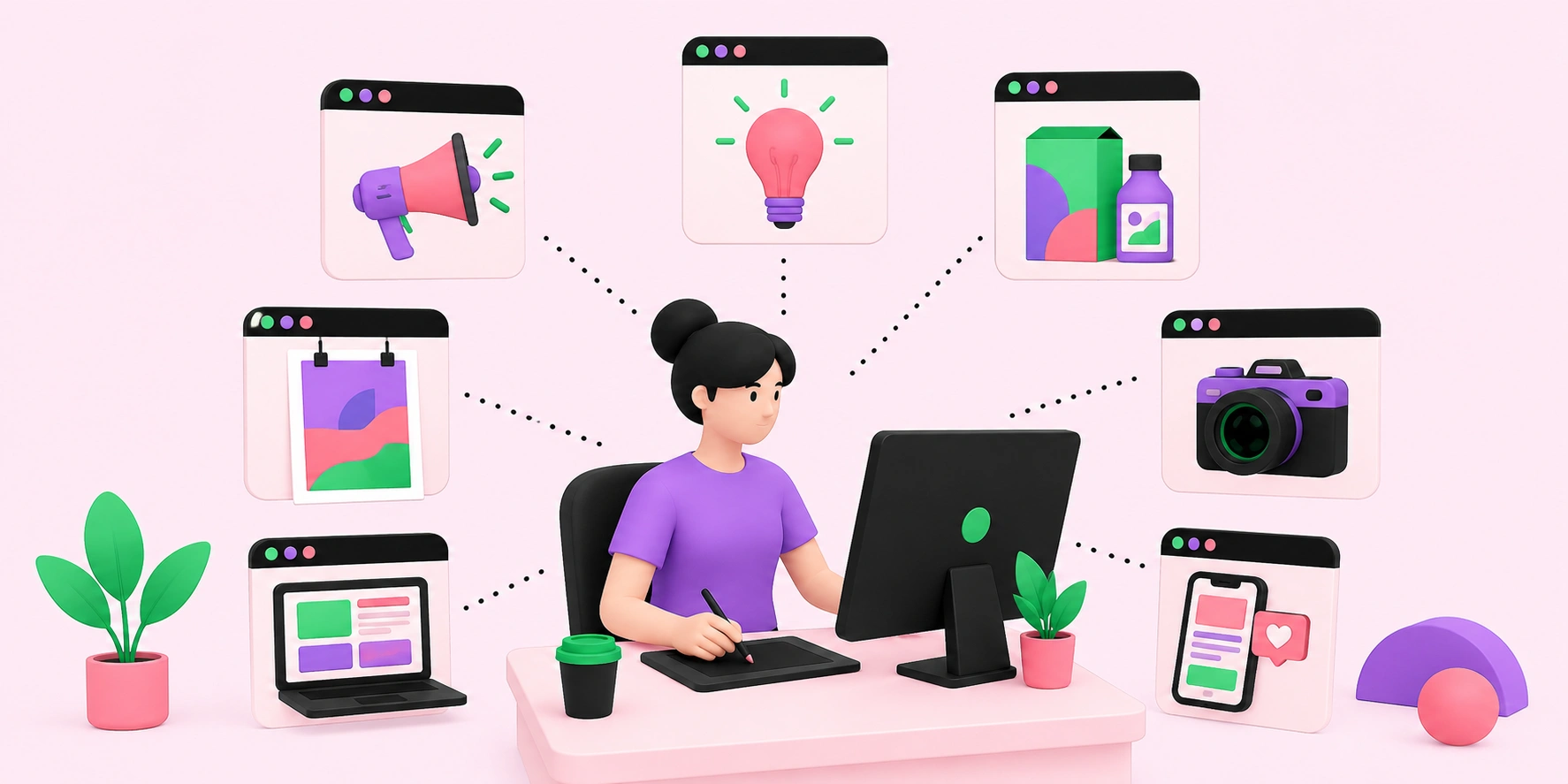
A graphic design major opens numerous creative and specialized career paths beyond general design work. You might become an illustrator, creating custom artwork for books, products, and campaigns, or a typographer specializing in the art of type and lettering. Packaging designers focus on the physical and visual experience of products on shelves, while infographic designers transform complex data into clear, engaging visuals. Each specialization allows you to develop deep expertise and become known for a particular skill, which often leads to higher demand and better compensation over time.
Digital specializations are especially abundant and growing. You could pursue UX and UI design, focusing on how people interact with websites and apps, or become a motion designer creating animations and video graphics. Some designers specialize in social media content, email design, or advertising, while others move toward emerging fields involving artificial intelligence and interactive media. The key is to explore various areas, identify what excites you most, and then invest in developing the specific skills that specialization requires. This focused approach helps you stand out in a competitive market.
Entrepreneurship and Freelancing
For those with an independent spirit, a graphic design major provides an excellent foundation for entrepreneurship and freelancing. Many designers build successful careers working for themselves, choosing their clients, setting their schedules, and pursuing projects they find meaningful. Freelancing offers freedom and the potential for strong income, especially as you build a reputation and a network of repeat clients. The skills you learn in a design program, combined with business knowledge you acquire along the way, make self-employment a realistic and rewarding option for motivated graduates.
Beyond freelancing, some designers launch their own studios, agencies, or product-based businesses. A graphic designer might create and sell digital templates, fonts, or print products, or start an agency that serves clients in a particular niche. Entrepreneurship requires courage and a willingness to learn skills beyond design, such as marketing, finance, and operations, but it can be extraordinarily fulfilling. The creative confidence and problem-solving abilities developed through a design major give entrepreneurs a strong starting point for building something uniquely their own.
Building Skills for Long-Term Success
To maximize what you can do with a graphic design major, it is wise to continuously build complementary skills throughout your career. Learning the basics of coding, marketing, animation, or photography expands the range of projects you can take on and makes you more valuable to employers and clients. The most successful designers are lifelong learners who adapt to new tools and trends, including emerging technologies that are reshaping creative workflows. Staying curious and proactive ensures that your skills remain relevant and competitive over the long term.
Equally important is building a strong portfolio and professional network. Your portfolio is the single most important asset in a design career, demonstrating your abilities far more convincingly than any degree or resume. Networking with other designers, attending industry events, and engaging with online creative communities can lead to opportunities, mentorship, and collaborations. By combining strong fundamentals with ongoing learning, a great portfolio, and meaningful connections, you can transform your graphic design major into a versatile, resilient, and deeply rewarding professional journey.
Frequently Asked Questions
Can I do more than just design work with a graphic design major?
Yes, a graphic design major develops transferable skills useful in marketing, product management, art direction, and entrepreneurship. The creative and problem-solving abilities you gain apply to many roles beyond traditional design positions.
Which industries hire graphic design majors?
Nearly every industry hires designers, including technology, healthcare, education, retail, finance, entertainment, and nonprofits. This broad demand gives graphic design majors significant flexibility in choosing where they want to work.
Is freelancing a realistic option with a graphic design major?
Yes, many designers build successful freelance careers with their degree. Freelancing requires combining design skills with business knowledge like client management and marketing to create a sustainable practice.
Should I specialize or stay a generalist?
Both approaches can work, but specializing often leads to higher demand and better pay. Many designers start as generalists and then specialize once they discover which areas they enjoy and excel at most.
What skills should I add to my graphic design major?
Consider learning UX design, motion graphics, basic coding, marketing, or photography to broaden your opportunities. Continuous skill-building keeps you competitive and opens doors to higher-value and more specialized roles.
Conclusion
A graphic design major offers far more possibilities than many people realize, providing a versatile foundation for careers across countless industries and specializations. Whether you choose to work in-house for a company, join a creative agency, specialize in a niche like illustration or UX design, or build your own freelance practice or business, your design education equips you with valuable, transferable skills. The key to maximizing your potential lies in staying curious, continuously developing complementary abilities, building a compelling portfolio, and networking within the creative community. With creativity, adaptability, and dedication, a graphic design major can become the launchpad for a dynamic, fulfilling, and prosperous career that grows and evolves alongside your interests for years to come.