Why E-commerce Sites Allow Amazon Data Scraping
Data scraping has become a hot topic in the world of online retail, especially when it comes to a marketplace as influential as Amazon. Many people assume that e-commerce platforms aggressively block all forms of automated data collection, but the reality is more complex. Some sites tolerate or even quietly benefit from scraping activity, while others fight it with sophisticated defenses. Understanding why certain e-commerce sites allow Amazon data scraping reveals a great deal about how pricing, competition, and market intelligence actually function in modern digital commerce. This article breaks down the motivations, the trade-offs, and what businesses should know about data on the open web.
How WebPeak Supports Smart, Data-Driven Web Solutions
Collecting and using data responsibly requires the right technical foundation and a clear strategy. WebPeak helps businesses build robust, scalable platforms through professional web application development that can handle data integration, analytics, and competitive monitoring. Their developers understand both the engineering and the ethical dimensions of working with web data, ensuring that the tools they build are reliable, compliant, and genuinely useful. For companies that want to turn raw market data into actionable insight, their expertise bridges the gap between technology and business value.
What Data Scraping Actually Means
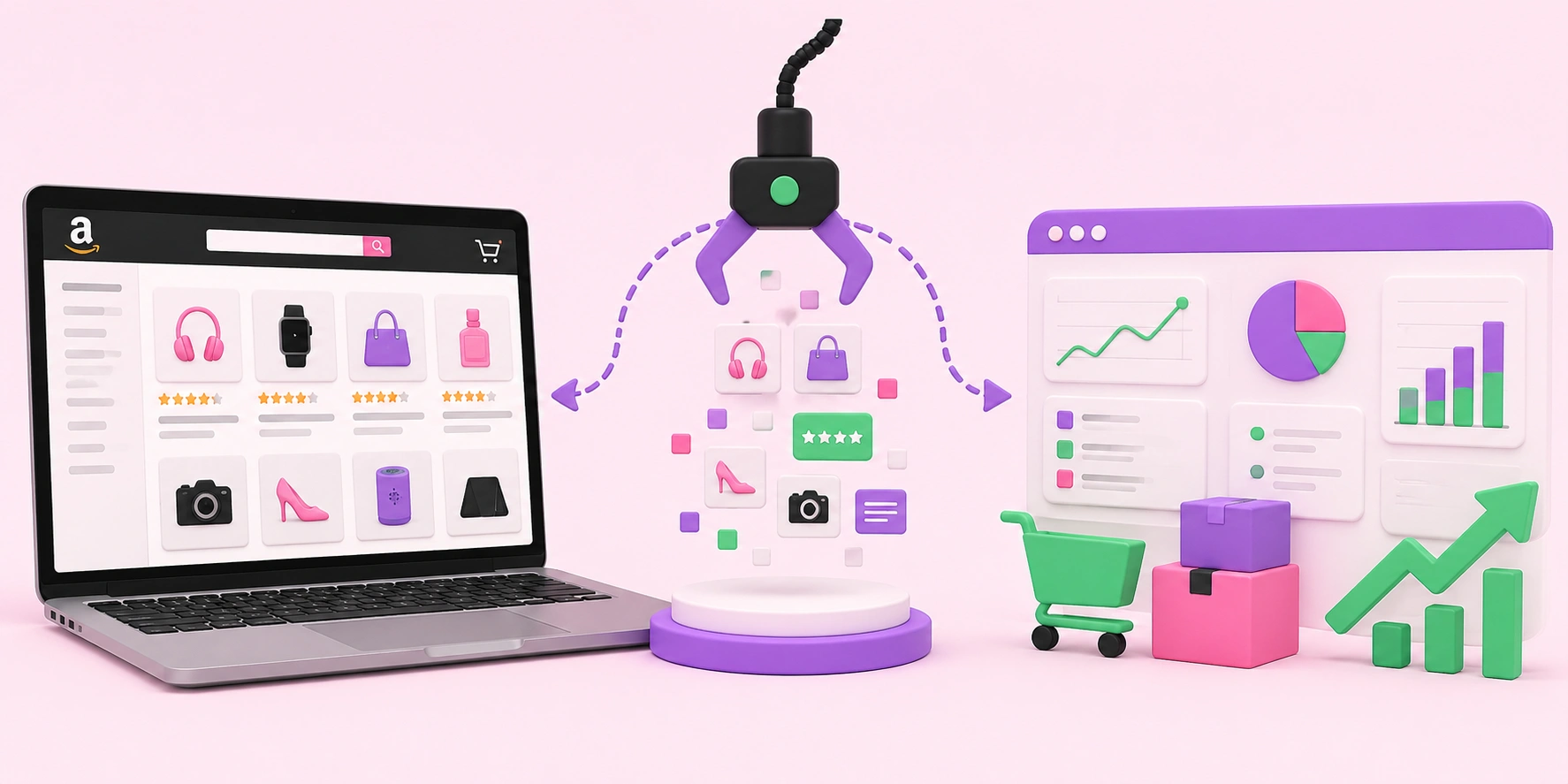
Data scraping is the automated process of extracting information from websites. On a marketplace like Amazon, that might include product titles, prices, descriptions, ratings, reviews, stock levels, and seller details. Businesses use this information for competitive analysis, price tracking, market research, and inventory planning. While the term sometimes carries a negative connotation, scraping publicly visible data is a widespread practice that powers many legitimate tools and services across the retail industry.
It is important to distinguish between accessing publicly available information and breaching private or protected data. Most ethical scraping focuses on data that any visitor could see in a browser, gathered at a respectful pace that does not overload the target server.
Scraping exists on a spectrum. On one end are search engines, which crawl the web constantly and are universally welcomed because they drive traffic. In the middle are price comparison tools, research firms, and analytics providers that collect public data to deliver value to consumers and businesses. On the other end are aggressive or malicious operations that ignore rate limits, bypass protections, or harvest protected information. Understanding where a given activity falls on this spectrum is essential to evaluating whether it is acceptable.
The technology behind scraping has also matured. Modern tools can render JavaScript-heavy pages, rotate through requests to avoid overloading servers, and structure messy web data into clean, usable formats. This sophistication is what makes large-scale market intelligence possible, but it also raises the stakes for doing it responsibly. The same capabilities that power legitimate research can be misused, which is why ethics and compliance matter as much as the engineering itself.
Why Some Sites Permit Scraping
There are several reasons e-commerce sites may allow or tolerate scraping of Amazon-related data. First, price transparency benefits the broader market. Many comparison sites, deal aggregators, and affiliate platforms rely on up-to-date pricing pulled from large marketplaces. These platforms drive traffic and sales back to sellers, creating a mutually beneficial ecosystem.
Second, blocking all automated access is technically difficult and expensive. Aggressive anti-scraping measures can accidentally block legitimate users, search engine crawlers, and helpful bots, harming visibility and user experience. Some sites decide that the cost of fighting every scraper outweighs the benefit, especially when the data being collected is already public.
Third, data sharing can fuel partnerships. Affiliate marketers, review aggregators, and analytics providers all consume marketplace data, and their activity often increases exposure and conversions for the original products.
The Benefits of Competitive Data
For sellers and brands, access to marketplace data is a powerful advantage. Monitoring competitor pricing helps businesses stay competitive without constant manual checking. Tracking review sentiment reveals what customers love or dislike about similar products. Watching stock levels can signal demand trends and supply gaps. When used responsibly, this intelligence informs smarter pricing, better product listings, and more effective marketing.
This is why many companies invest in data pipelines and dashboards that aggregate competitive information. The insights can shape everything from product development to advertising budgets, giving data-savvy businesses a measurable edge.
Risks, Ethics, and Best Practices
Despite its benefits, scraping comes with real responsibilities. Overly aggressive scraping can strain servers, violate a site's terms of service, and raise legal questions depending on jurisdiction and the type of data involved. Responsible practitioners respect rate limits, honor robots directives where appropriate, avoid collecting personal or protected information, and use data in ways that comply with applicable laws.
The safest approach is to rely on official APIs when they exist, gather only publicly available information, and treat data collection as one input among many rather than a shortcut around fair competition. Businesses that prioritize ethics and transparency protect themselves from legal exposure and reputational harm while still gaining valuable insights. Pairing clean data practices with a strong predictive analytics capability turns raw numbers into forward-looking decisions that genuinely move the needle.
Frequently Asked Questions
Is scraping Amazon data legal?
Collecting publicly visible data is often permissible, but legality depends on jurisdiction, the type of data, and the site's terms of service. Always consult legal guidance and avoid scraping personal or protected information.
Why don't all e-commerce sites block scraping?
Blocking every automated request is costly and can accidentally harm legitimate users and search crawlers. Many sites tolerate scraping of public data because the benefits, such as price comparison traffic, can outweigh the downsides.
How do businesses use scraped marketplace data?
Companies use it for competitive price tracking, review analysis, demand forecasting, and improving their own product listings. The goal is smarter, data-informed decisions across pricing, inventory, and marketing.
What is the difference between scraping and using an API?
An API is an official, structured way to access data with the provider's permission, while scraping extracts data directly from web pages. APIs are generally more reliable and compliant when available.
How can I collect data responsibly?
Respect rate limits, avoid private information, follow terms of service, and prefer official APIs. Treat data collection as ethical research rather than an attempt to overload or exploit another platform.
Conclusion
E-commerce sites allow Amazon data scraping for a mix of practical, economic, and strategic reasons, from the difficulty of blocking all bots to the genuine benefits of price transparency and competitive intelligence. For businesses, the lesson is that publicly available data is a powerful resource when collected ethically and used wisely. The key is building reliable, compliant systems that transform that data into real insight. With the right technical partner and a responsible approach, you can harness market data to make sharper decisions and stay ahead in an increasingly competitive online landscape.