Does Johnson and Johnson Have an E-commerce Site?
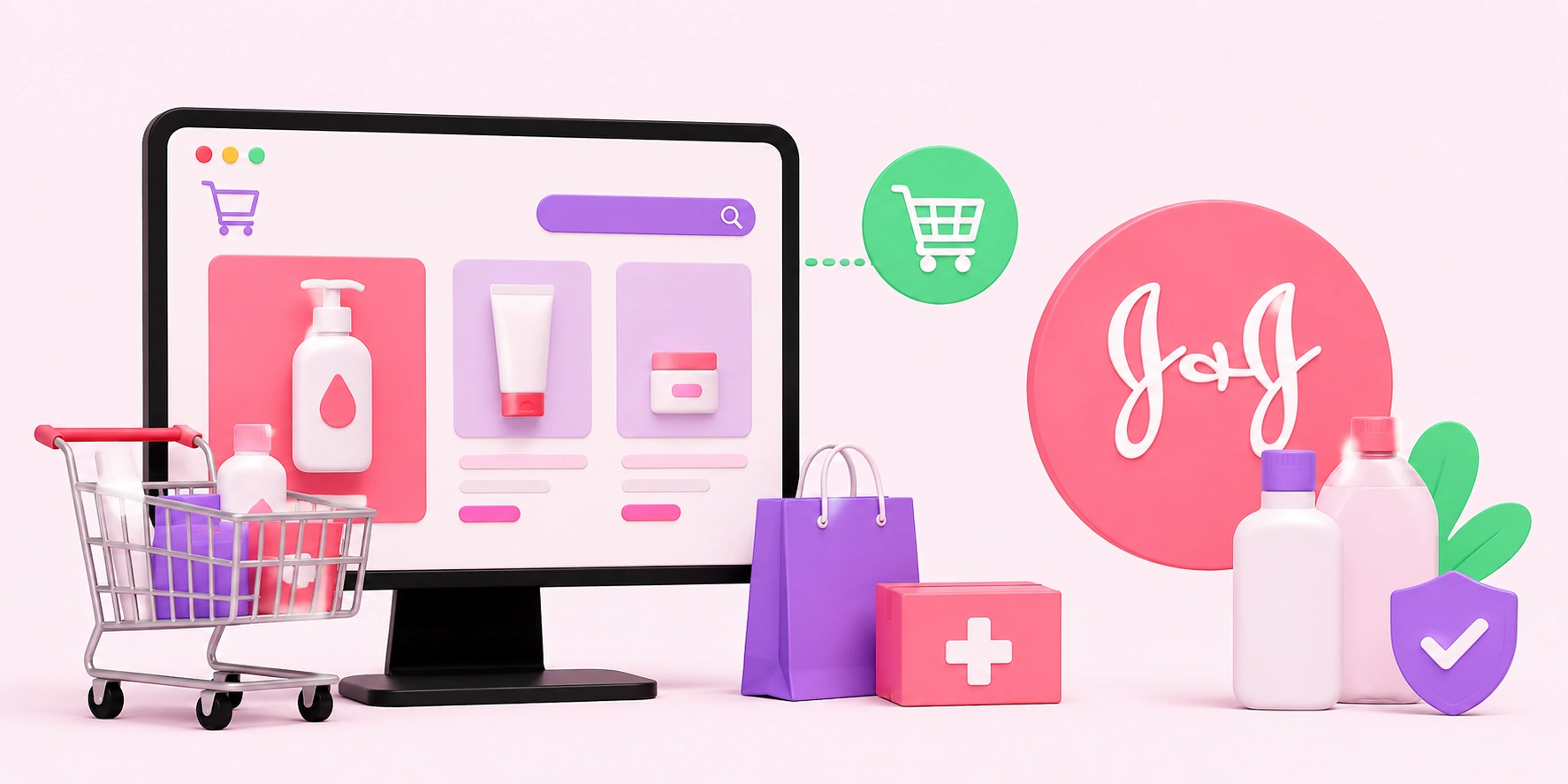
Johnson & Johnson is one of the most recognized names in healthcare, pharmaceuticals, and consumer products, so it is natural to wonder whether such a massive company runs its own e-commerce site. The short answer is nuanced. While Johnson & Johnson maintains official corporate and brand websites, it has historically relied heavily on retail partners, pharmacies, and large online marketplaces to sell its consumer products. However, as the company restructured its consumer health division into Kenvue, the digital and direct-to-consumer (DTC) landscape around its brands has evolved significantly. Understanding how a company of this scale approaches online selling offers valuable lessons for businesses of every size that want to build a meaningful digital presence.
How WebPeak Helps Brands Build Powerful E-commerce Experiences
Whether you are a global enterprise or a growing startup, building a high-performing online store requires the right blend of strategy, design, and technology. WebPeak is a full-service digital agency that helps brands launch and scale their online retail presence through tailored e-commerce solutions. Their team studies how market leaders like Johnson & Johnson structure their digital channels and applies those proven principles to businesses worldwide. From storefront architecture to checkout optimization, they provide the expertise needed to turn website visitors into loyal customers.
Johnson & Johnson's Approach to Selling Online
Johnson & Johnson operates across three core segments: pharmaceuticals, medical devices, and consumer health. For most of its history, the company chose a distribution-first model rather than a direct-sales model for consumer goods. Products like Band-Aid, Listerine, Neutrogena, Aveeno, and Tylenol are sold primarily through retail chains, drugstores, and online marketplaces rather than a single centralized J&J checkout cart.
This strategy makes sense for a company whose products are everyday essentials. Consumers expect to buy a bottle of mouthwash or a box of bandages wherever they already shop, whether that is a supermarket, a pharmacy, or a major online retailer. By distributing through established channels, Johnson & Johnson maximizes availability and reaches customers at the exact moment they need a product, without forcing them to visit a brand-specific website.
There are also operational reasons behind this choice. Managing fulfillment, returns, and customer service for millions of low-cost consumer items would be enormously complex and expensive to run through a single direct channel. By leaning on retail and marketplace partners that already excel at logistics, the company keeps its focus on what it does best: research, product development, and brand building. This division of labor is a deliberate strategic decision rather than a sign that the company is behind on digital trends.
It is also worth noting how this varies by division. The pharmaceutical and medical device segments operate in highly regulated environments where products are sold to hospitals, clinics, and distributors rather than directly to consumers. Consumer health products, on the other hand, live in the fast-moving world of retail where convenience and shelf presence, whether physical or digital, drive purchasing decisions. Each segment shapes its sales approach around the realities of its market.
Brand Websites Versus a Central Store
Although there is no single unified J&J shopping cart for all products, many of its individual brands maintain dedicated websites. These brand sites serve several purposes: they educate consumers, showcase product ranges, share usage tips, and often include "where to buy" features that link directly to retail partners. Some brands have experimented with direct-to-consumer options, subscription models, and bundles, particularly in the skincare and beauty categories where margins and customer loyalty are higher.
This hybrid model reflects a broader industry trend. Large consumer brands increasingly use their websites as discovery and education hubs while routing actual purchases through trusted retail and marketplace partners. The brand site builds trust and tells the product story, while the transaction happens wherever the customer feels most comfortable.
These brand sites also serve a quieter but vital purpose: collecting first-party insight. Through newsletter signups, product registrations, loyalty programs, and content engagement, brands learn what customers care about even when the final sale happens elsewhere. That data feeds back into product development and marketing, allowing a company to refine its offerings and messaging continuously. In an era where third-party data is becoming harder to access, owning these direct relationships, even partially, is increasingly valuable.
For a company as diversified as Johnson & Johnson, this flexibility is a strength. Some categories, like premium skincare, lend themselves naturally to direct sales, subscriptions, and personalized experiences. Others, like over-the-counter medicine, perform best through ubiquitous retail availability. Rather than forcing every product into the same mold, the company tailors its digital strategy to the needs of each category and audience.
What Smaller Businesses Can Learn
You may not have the scale of Johnson & Johnson, but you can borrow several principles from its digital playbook. First, meet your customers where they already are. If your audience shops on major marketplaces, having a presence there can be just as important as your own store. Second, use your website to build authority and trust through helpful content, clear product information, and a professional design. Third, invest in a seamless experience so that whether a customer buys from your site or a partner platform, the brand feels consistent and reliable.
For many small and mid-sized businesses, however, owning the customer relationship through a dedicated store is the smarter long-term play. A direct e-commerce site gives you control over data, branding, pricing, and the full customer journey. The key is building it well, with fast load times, mobile-friendly design, secure payments, and a checkout flow that minimizes friction.
Another lesson is the importance of consistency across channels. Whether a customer encounters your product on a marketplace, a partner retailer, or your own website, the branding, pricing, and quality of information should feel unified. Johnson & Johnson invests heavily in maintaining that consistency so that its brands remain instantly recognizable no matter where they appear. Smaller businesses can apply the same discipline by keeping product photography, descriptions, and tone aligned everywhere they sell.
Finally, large companies treat content as a long-term asset. Educational articles, how-to guides, and product comparisons not only help customers make decisions but also improve search visibility and establish authority. A small brand that publishes genuinely useful content can punch well above its weight, attracting organic traffic and building credibility without the enormous advertising budgets that giants like Johnson & Johnson can deploy.
The Role of Digital Marketing in Modern Retail
Even the strongest e-commerce site needs visibility to succeed. Johnson & Johnson and its brands invest heavily in advertising, search visibility, and social engagement to keep products top of mind. For independent brands, a thoughtful digital marketing strategy is what bridges the gap between having a store and actually driving consistent sales. Paid campaigns, search optimization, email outreach, and social media all work together to bring qualified traffic to your store and convert it into revenue. Without that visibility, even a beautifully designed site can go unnoticed.
The most effective approach treats marketing as an integrated system rather than a collection of isolated tactics. Search visibility captures customers actively looking for solutions, social media builds awareness and community, email nurtures existing relationships, and paid advertising accelerates reach. When these channels reinforce one another, the result is a steady, predictable flow of customers. Johnson & Johnson's brands demonstrate this at scale, but the underlying principles are accessible to businesses of any size willing to invest thoughtfully in their digital presence.
Frequently Asked Questions
Does Johnson & Johnson sell products directly on its own website?
Johnson & Johnson primarily sells through retailers, pharmacies, and major online marketplaces rather than one central checkout. Some of its individual consumer brands offer direct-to-consumer options on their own dedicated websites.
Why doesn't Johnson & Johnson rely on a single e-commerce store?
Its products are everyday essentials that consumers expect to buy wherever they already shop. A distribution-first model maximizes availability and convenience across many retail and online channels.
Can small businesses use the same strategy as Johnson & Johnson?
Yes, in part. Smaller brands can list on marketplaces while also running their own store. For most small businesses, owning a direct e-commerce site offers better control over branding, pricing, and customer data.
Are brand websites useful if they don't sell directly?
Absolutely. Brand websites build trust, educate customers, and often guide shoppers to retail partners. They play a vital role in the discovery and decision phases of the buying journey.
How important is digital marketing for an e-commerce site?
It is essential. Even an excellent store needs traffic, and digital marketing through search, social, email, and paid ads is what drives qualified visitors and converts them into paying customers.
Conclusion
Johnson & Johnson does not operate a single all-in-one consumer e-commerce store, but it has built a sophisticated digital ecosystem of brand websites, retail partnerships, and marketplace presence that keeps its products accessible everywhere. The takeaway for businesses is clear: e-commerce success is less about one perfect store and more about a connected strategy that combines visibility, trust, and a frictionless buying experience. Whether you want to launch your first online store or scale an existing one, partnering with experienced professionals can help you build a digital presence that competes with the best in the industry.