How to Add a Date to Your Content Schedule for Consistent Publishing
A content schedule is only as effective as your ability to assign and manage dates within it. Whether you are planning a single blog post for June 3rd, mapping out a month of social media updates, or coordinating a product launch across multiple channels, knowing how to add a date correctly is the foundation of consistent publishing. Scheduling content in advance reduces last-minute stress, ensures a steady flow of fresh material, and helps your team stay aligned. In this guide, we explain why dated content scheduling matters, how to add dates across popular tools and platforms, and the best practices that keep your editorial calendar organized so nothing slips through the cracks.
How WebPeak Can Help With Content Planning and Marketing
Building and maintaining a reliable content schedule takes strategy, the right tools, and a steady stream of quality material to publish. WebPeak is a full-service digital agency that helps brands plan, create, and distribute content that performs across every channel. Their team supports businesses with editorial calendars, content production, and automated publishing workflows so you never miss an important date. Whether you need a structured posting cadence or a complete content engine, their content writing services and digital marketing services can help you stay consistent and visible to audiences worldwide.
Why Adding Dates to Your Content Schedule Matters
Assigning specific dates to your content transforms a vague list of ideas into an actionable plan. When every piece has a publish date, you gain a clear picture of your output over time, making it easy to spot gaps, avoid overlapping topics, and maintain a balanced mix of content types. This structure is essential for consistency, and consistency is one of the biggest drivers of audience growth and search engine visibility.
Dated scheduling also enables better collaboration. When writers, designers, and marketers can all see deadlines and publish dates, work flows more smoothly and accountability improves. For seasonal campaigns, holidays, or product launches, attaching firm dates ensures your content goes live exactly when it will have the most impact. In short, dates turn good intentions into a dependable publishing rhythm your audience can count on.
How to Add a Date in Popular Scheduling Tools
The exact steps for adding a date depend on your tool, but the logic is similar across platforms. In a content management system like WordPress, you create or open a post, locate the publish panel, and click the date field to choose a future date and time, such as June 3rd. Once you set a future date and update the post, WordPress automatically holds it and publishes it at the scheduled moment without any further action on your part.
In dedicated planning tools like Trello, Asana, Notion, or Google Calendar, you typically add a card or entry for your content piece and then assign a due date or event date from the date picker. Social media schedulers such as Buffer, Hootsuite, and Later let you select a calendar slot and pick the exact day and time you want each post to go live. The key is to use the platform's native date field rather than just typing a date into a title, so the system can trigger automated publishing and reminders.
Automating Publishing With Scheduled Dates
One of the biggest advantages of adding dates is automation. Once a date and time are set, most modern platforms will publish your content automatically, freeing you from having to be online at the exact moment. This is invaluable for reaching audiences in different time zones, maintaining weekend or holiday posting without manual effort, and batching your work so you can produce many pieces in one session and schedule them out over weeks.
To make automation reliable, double-check the time zone settings in your tool, since a mismatch can cause posts to go live hours earlier or later than intended. Build in a small buffer before important dates so you have time to review and approve content. Many teams also use a staging or draft status with a scheduled date so collaborators can give final sign-off before the automated publish triggers. Done well, scheduled automation keeps your brand active and consistent with minimal daily effort.
Best Practices for Managing Your Content Calendar
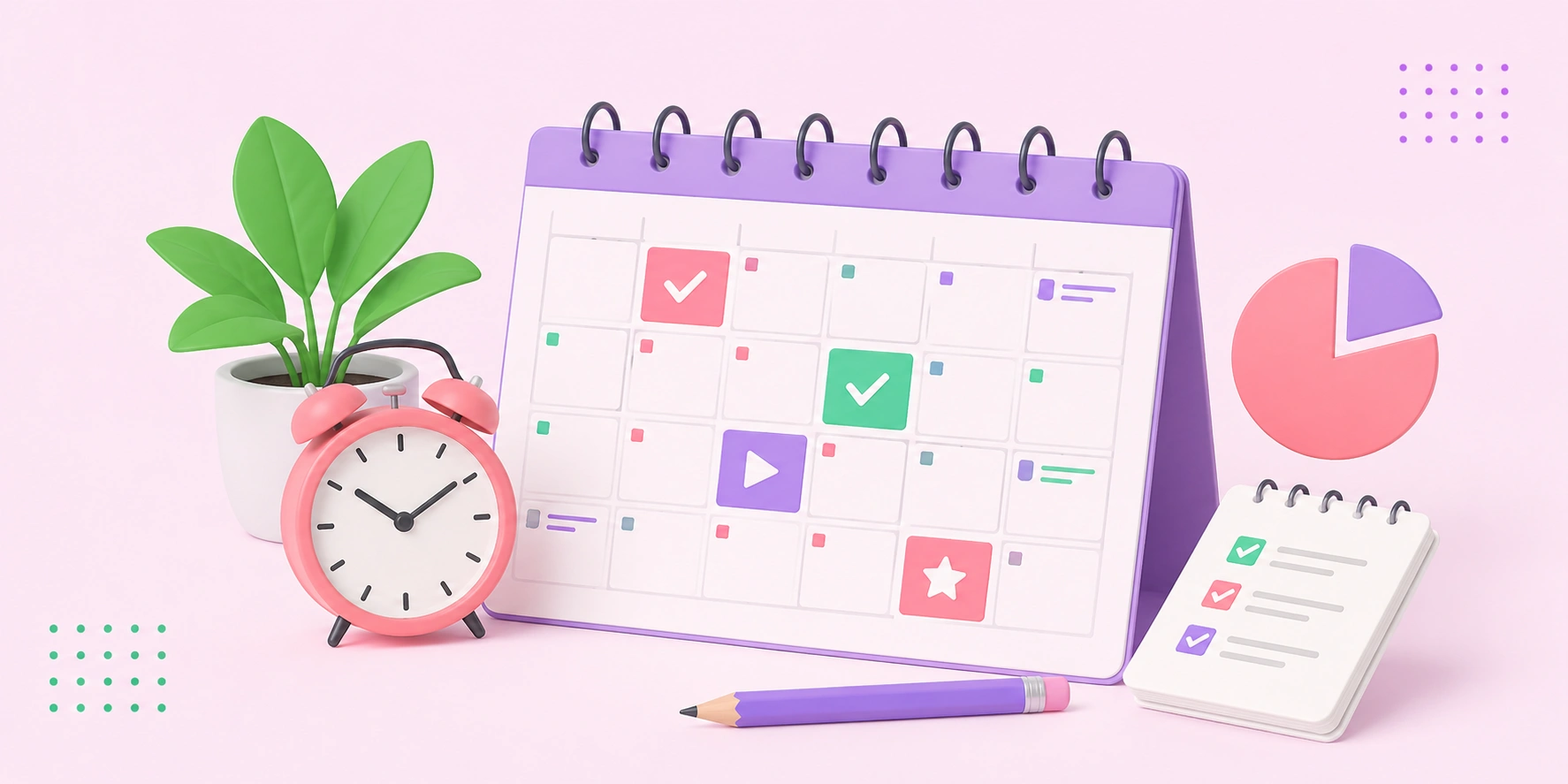
A well-managed calendar goes beyond simply assigning dates. Plan your content in advance by mapping out themes, campaigns, and key dates such as holidays or launches at the start of each month or quarter. Use color coding or labels to distinguish content types and channels at a glance, and keep a backlog of evergreen ideas you can slot in if a planned piece falls through. This flexibility prevents gaps when priorities shift unexpectedly.
Review your calendar regularly to confirm dates are still accurate and that nothing has been double-booked or forgotten. Build in realistic lead times for writing, design, and approvals so you are not scrambling the day before a piece is due. Finally, track performance against your schedule to learn which days and times drive the best engagement, then refine your future dates accordingly. A living, well-maintained calendar is one of the most powerful tools for sustainable content marketing.
Frequently Asked Questions
How do I schedule a post for a specific future date?
In most content tools, open the post, find the publish or date field, and select your desired future date and time from the date picker. After saving or scheduling, the platform will automatically publish the content at that exact moment without further action from you.
Why is my scheduled post publishing at the wrong time?
This is almost always caused by an incorrect time zone setting in your platform or account. Check your tool's time zone configuration and make sure it matches your target audience's location to ensure posts go live exactly when intended.
What is the best tool for managing a content calendar?
It depends on your needs, but Notion, Trello, and Asana are excellent for planning, while Buffer, Hootsuite, and Later specialize in social scheduling. Many teams combine a planning tool with a publishing tool for the best of both worlds.
How far in advance should I schedule my content?
A good practice is to plan at least two to four weeks ahead, with key campaigns and seasonal content mapped out even further. This gives you enough lead time for creation and review while staying flexible enough to react to timely opportunities.
Can I change a scheduled date after setting it?
Yes, virtually all scheduling tools let you edit a scheduled date as long as the content has not yet been published. Simply open the item, adjust the date field, and save to reschedule it to a new time.
Conclusion
Adding a date to your content schedule is a small action with a big payoff, transforming scattered ideas into a consistent, automated publishing system. By using your tool's native date fields, double-checking time zones, automating where possible, and maintaining a well-organized calendar, you can keep your content flowing reliably and free yourself from last-minute scrambles. Consistency builds audiences and strengthens your search presence over time. If you want to take the guesswork out of planning and produce a steady stream of high-performing content, partnering with an experienced digital marketing team can help you build a schedule that keeps your brand visible and growing.