Does Iran Have Social Media?
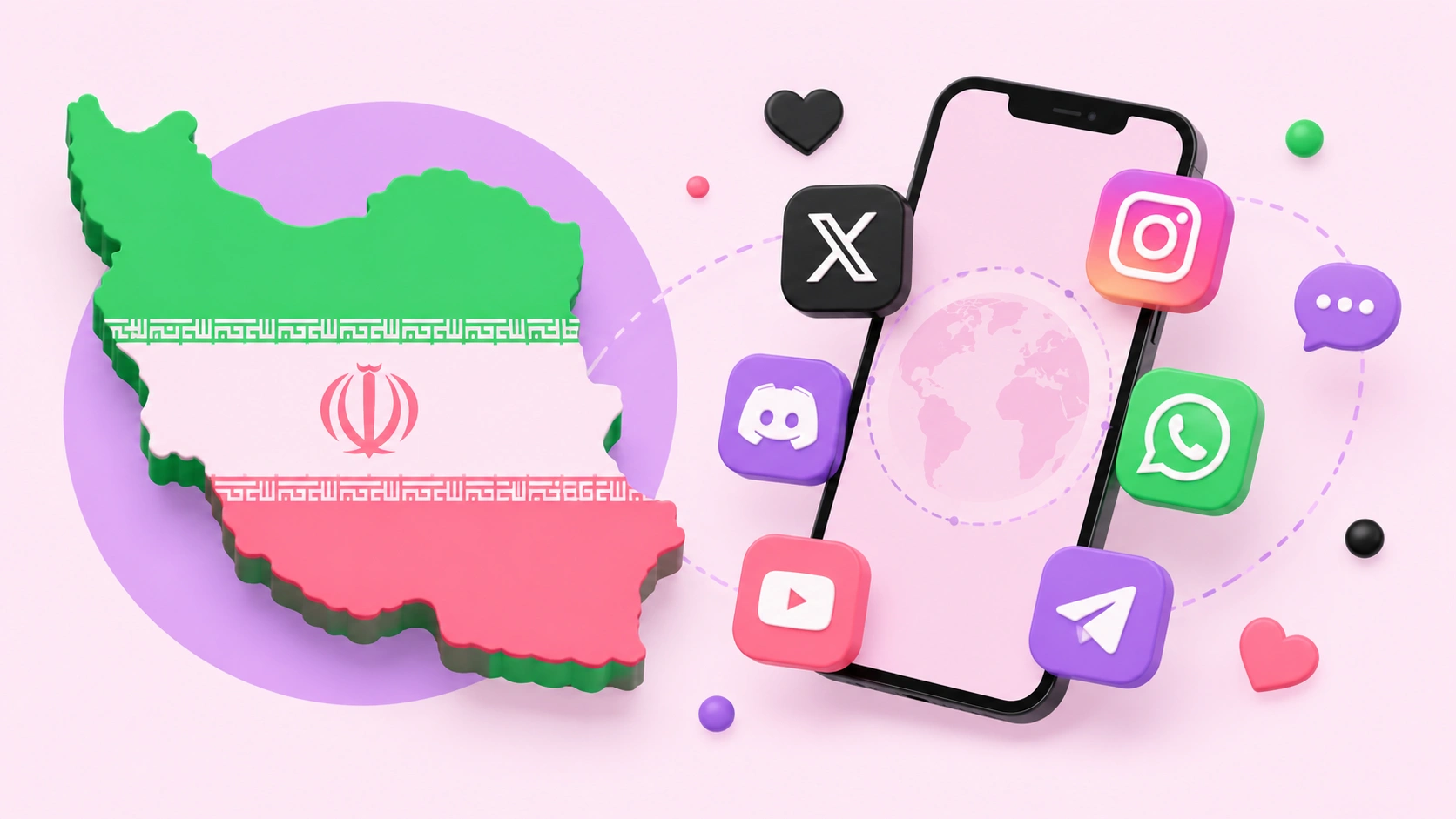
Yes, Iran has a large and highly active social media population, but access is complicated by widespread government blocking of major platforms. Social media in Iran refers to the mix of international apps that citizens reach through VPNs, a handful of still-accessible services, and a growing set of domestic, state-approved alternatives. While platforms such as Facebook, X, Telegram, YouTube, and at times Instagram and WhatsApp have been officially restricted, tens of millions of Iranians continue to use them daily via circumvention tools. This creates a paradox: Iran is simultaneously one of the most restricted internet environments and one of the most digitally engaged populations in the Middle East. Understanding this gap between what is banned and what is actually used is the key to grasping how social media really functions inside the country.
Quick Answer: Iran has millions of active social media users, but the government blocks many major platforms like Facebook, X, Telegram, and often Instagram and WhatsApp. Citizens widely use VPNs to bypass restrictions, while the state promotes domestic alternatives such as Rubika and Soroush.
How WebPeak Supports Brands Reaching Restricted Markets
Marketing in a censored, VPN-heavy environment like Iran requires nuanced strategy, not standard playbooks. WebPeak, a worldwide full-service digital agency, helps businesses reach audiences in complex regions through adaptable, platform-aware campaigns. Their specialists combine strong digital marketing services with culturally sensitive content writing services to craft messaging that works across both mainstream and domestic apps. Because access patterns shift quickly in markets like Iran, they focus on flexible content formats and diversified channels, so a brand's visibility does not collapse the moment a single platform is blocked or throttled.
Which Social Media Platforms Are Used in Iran?
Despite heavy restrictions, Iranians use a wide range of platforms, blending banned-but-popular apps with permitted alternatives. Instagram has historically been the most beloved platform for personal, business, and creator use, even during periods of restriction. Telegram remains deeply embedded in daily life for messaging, news, and channels, again largely through VPNs. WhatsApp is widely used for private communication, while X and YouTube retain committed audiences among those who bypass blocks. Alongside these, the government promotes domestic apps such as Rubika, Soroush, and Bale, which are locally hosted and monitored. A VPN, short for virtual private network, is the tool that lets users mask their location and reach blocked services, and it has become an everyday necessity rather than a niche technology.
Why Are Social Media Platforms Blocked in Iran?
Platforms are blocked mainly for political control, security concerns, and cultural regulation, especially during periods of unrest. Restrictions tend to intensify around protests, elections, or sensitive events. The main reasons include:
- Political control: Authorities limit platforms used to organize protests or spread dissent.
- Content and moral regulation: Content viewed as culturally or religiously inappropriate is restricted.
- National security framing: Officials cite foreign influence and information security as justification.
- Promotion of domestic apps: Blocking foreign services pushes users toward monitored local alternatives.
Importantly, blocking is often inconsistent, some platforms are banned, then partially restored, then restricted again, which is why VPN usage stays consistently high across the population.
Blocked vs. Accessible: A Snapshot of Iran's Social Media
The status of platforms in Iran shifts frequently, but the general pattern of what is officially blocked versus commonly accessed is clear. The table below summarizes the typical landscape most users experience.
| Platform | Official Status | How It's Commonly Accessed |
|---|---|---|
| Often blocked | Widely used via VPN by individuals and businesses | |
| Telegram | Blocked | Still heavily used through VPNs for chats and channels |
| Frequently restricted | Popular for private messaging, often via VPN | |
| Rubika / Soroush / Bale | Permitted (domestic) | Directly accessible, state-hosted and monitored |
| X (Twitter) / YouTube | Blocked | Accessed by dedicated users through VPNs |
How Many People in Iran Actually Use Social Media?
Iran's social media engagement is remarkably high considering the restrictions in place. According to DataReportal's Digital 2024 report, Iran had tens of millions of active social media user identities, representing a substantial share of the population. Reporting from digital-rights groups and outlets such as Reuters has noted that a majority of Iranian internet users, by many estimates well over 50%, rely on VPNs to access blocked platforms during periods of heavy restriction. My analysis of this pattern is that demand for global connectivity in Iran consistently outpaces the government's ability to suppress it, meaning bans reduce convenience rather than eliminate usage. This resilience is why Instagram-based businesses and Telegram commerce channels have continued to thrive even through repeated crackdowns, a dynamic that sets Iran apart from more fully controlled internet environments.
Key Takeaways
- Iran has millions of active social media users despite heavy government restrictions.
- Major platforms like Telegram, X, YouTube, and often Instagram and WhatsApp are blocked or restricted.
- VPNs are used by a majority of Iranian internet users to bypass blocks, per digital-rights reporting.
- The government promotes domestic, monitored apps such as Rubika, Soroush, and Bale.
- Instagram and Telegram remain central to personal use and small-business commerce despite bans.
Frequently Asked Questions
Is Instagram banned in Iran?
Instagram has been officially blocked during several periods, especially amid protests, but it remains one of the most popular platforms in Iran. Millions of users and businesses continue to access it through VPNs. Its status can shift, sometimes restored, sometimes restricted, so access often depends on the current political climate.
Can people in Iran use VPNs legally?
VPN use exists in a legal grey area in Iran. While the government restricts and cracks down on unauthorized VPNs, tens of millions of citizens still use them daily to reach blocked platforms. VPNs are not openly endorsed, but they are deeply woven into everyday internet life across the country.
What social media apps does the Iranian government allow?
The government promotes domestic, locally hosted apps such as Rubika, Soroush, and Bale, which are monitored and considered compliant with national regulations. These serve as approved alternatives to blocked foreign platforms. However, many users still prefer international apps like Instagram and Telegram, accessed through VPNs, over the domestic options.
Is Telegram still used in Iran?
Yes, Telegram remains widely used in Iran despite being officially blocked. It is popular for private messaging, news channels, and business communication. Most users reach it through VPNs. Its blocking pushed some users toward domestic apps, but Telegram's established communities keep it deeply embedded in Iranian digital culture.
Why does Iran block social media?
Iran blocks social media mainly for political control, cultural regulation, and national security reasons, with restrictions tightening during protests or unrest. Authorities aim to limit organizing and foreign influence while steering users toward monitored domestic apps. Blocking is often inconsistent, which is why VPN usage remains consistently high nationwide.
Conclusion
The most important takeaway is that Iran's relationship with social media is defined by tension between restriction and demand: platforms may be officially blocked, but usage remains strong through VPNs and workarounds. For any brand or communicator, this means a single-platform strategy is fragile, resilience comes from diversifying across accessible channels and formats that survive sudden bans. If you plan to engage Iranian audiences, the smart next move is building an adaptable, multi-channel presence guided by specialists who understand volatile digital environments, ensuring your message reaches people even when the rules change overnight.