Why Delete Social Media? Reasons and Benefits Explained
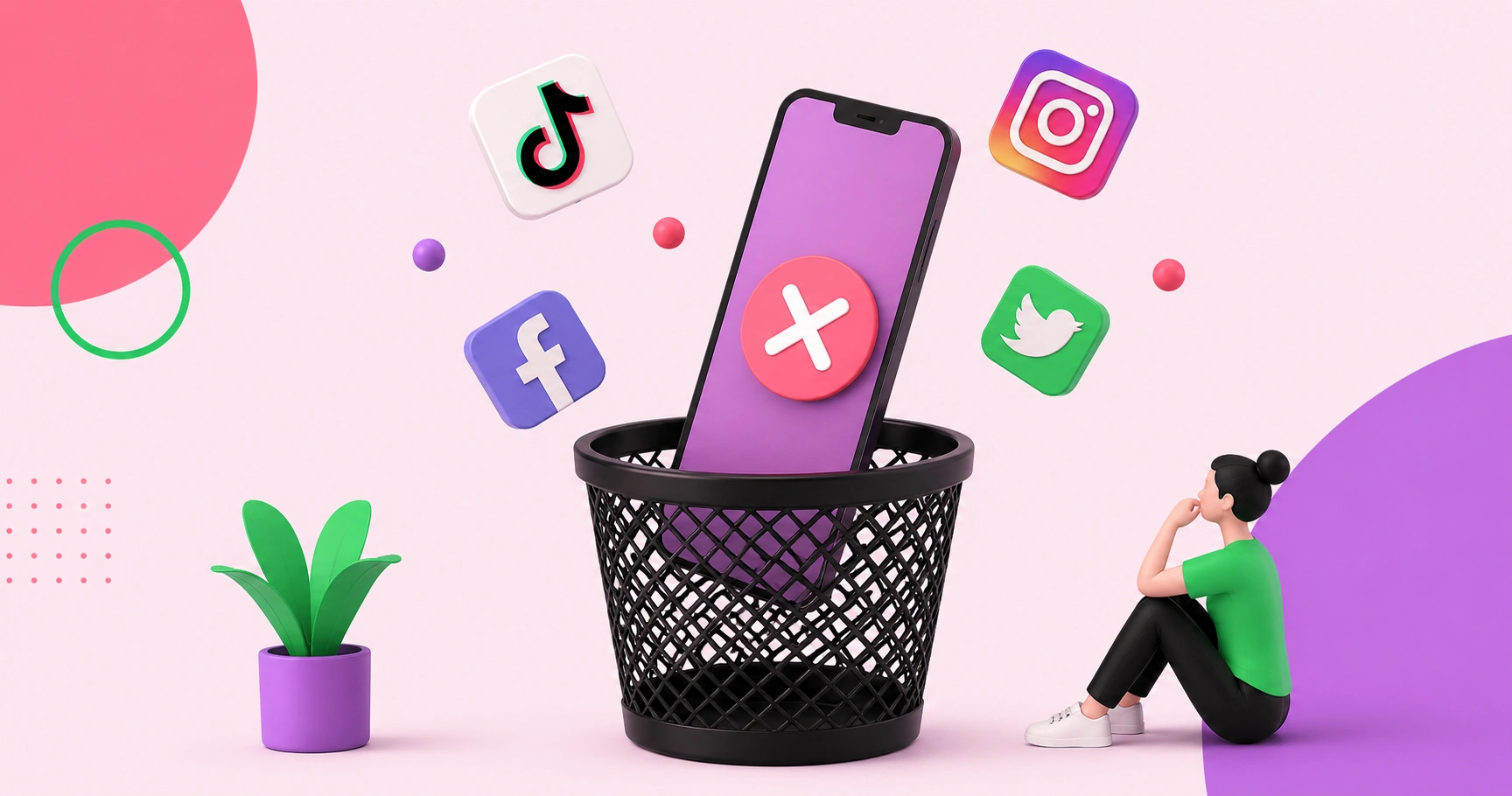
Deleting social media has become an increasingly popular decision as people reevaluate their relationship with technology. While platforms offer connection and entertainment, many users find that excessive scrolling harms their mental health, productivity, and privacy. Understanding why people choose to delete social media, and the tangible benefits they experience, helps anyone considering a digital detox make an informed choice about how these platforms fit into a balanced, intentional life.
Quick Answer: People delete social media to improve mental health, reduce anxiety and comparison, reclaim time, protect privacy, and boost productivity. Without constant scrolling and notifications, many report better focus, deeper real-life relationships, improved sleep, and greater overall well-being and life satisfaction.
How WebPeak Can Help
While individuals may step back, businesses still need a healthy, strategic online presence, and WebPeak helps them build it responsibly. Their team creates balanced strategies through Digital Marketing, builds owned platforms like websites through Web Development, and strengthens direct audience relationships via Email Marketing. This helps brands reduce over-reliance on social platforms while staying connected to customers.
Common Reasons People Delete Social Media
The motivations for quitting social media vary, but several themes appear repeatedly. Understanding these reasons helps clarify whether deletion might benefit you too:
- Mental Health: Reducing anxiety, depression, and constant social comparison.
- Time Reclamation: Recovering hours lost to endless scrolling.
- Privacy Concerns: Limiting data collection and tracking by platforms.
- Productivity: Removing distractions to focus on meaningful work.
- Authentic Relationships: Prioritizing real-world connections over digital ones.
Each reason reflects a desire for greater control over one's attention, well-being, and personal information in a digitally saturated world.
The Mental Health Connection
One of the most cited reasons for deleting social media is its impact on mental health. Constant exposure to curated highlight reels can trigger comparison, fostering feelings of inadequacy. The endless nature of feeds, designed to maximize engagement, can also fuel anxiety and disrupt sleep, especially when used late at night.
Notifications and the pressure to respond create a sense of always being "on," which can lead to burnout. Many people who delete social media report feeling calmer, more present, and less preoccupied with others' opinions within just a few weeks of quitting.
Benefits Before and After Deleting
To visualize the potential impact, the table below compares common experiences before and after leaving social media.
| Area | With Heavy Social Media Use | After Deleting |
|---|---|---|
| Focus | Frequent distractions | Deeper concentration |
| Sleep | Late-night scrolling | Better rest and routine |
| Mood | Comparison and anxiety | Greater contentment |
| Time | Hours lost daily | More time for hobbies |
While experiences vary, many people find that removing social media creates noticeable improvements across these key areas of daily life.
What the Research Shows
Scientific evidence increasingly supports the benefits of reducing social media use. A study published in the Journal of Social and Clinical Psychology found that limiting social media use to about 30 minutes per day led to significant reductions in loneliness and depression among participants over three weeks. This suggests that even cutting back, not just deleting entirely, can improve well-being.
Additionally, DataReportal reported that the average person spends over 2 hours daily on social media, which adds up to more than 30 full days each year. My analysis is that the decision to delete social media is deeply personal and does not have to be all-or-nothing. For some, complete deletion brings dramatic relief from anxiety and reclaimed time; for others, mindful reduction achieves similar benefits while preserving useful connections. The key insight is intentionality: those who consciously control their usage, rather than letting algorithms control them, consistently report the greatest improvements in mental health and life satisfaction.
Key Takeaways
- People delete social media for mental health, time, privacy, and focus.
- Social comparison and endless feeds can fuel anxiety and poor sleep.
- Quitting often improves mood, concentration, and real-life relationships.
- Research shows even reducing use lowers loneliness and depression.
- Intentional usage, not just deletion, is key to lasting benefits.
Frequently Asked Questions
Is deleting social media good for mental health?
Yes, deleting or reducing social media often improves mental health. Studies show it can lower anxiety, depression, and loneliness by reducing social comparison and information overload. Many people report feeling calmer, more present, and less stressed within weeks of stepping away from constant scrolling.
Will I lose touch with friends if I delete social media?
You may lose some passive connections, but meaningful relationships usually endure through calls, texts, and in-person contact. Many people find that leaving social media actually deepens their closest friendships by encouraging more intentional, direct communication rather than surface-level online interactions.
How long does it take to feel benefits after quitting?
Many people notice benefits within one to three weeks, including better sleep, improved focus, and reduced anxiety. The initial days may feel uncomfortable due to habit, but as the urge to check fades, most report greater calm, presence, and satisfaction over time.
Do I have to delete social media completely?
No, complete deletion is not required. Many people benefit from mindful reduction, such as limiting daily use, removing apps from their phones, or taking regular breaks. The key is intentional control over your usage rather than letting the platforms dictate your attention and time.
Can businesses survive without social media?
Yes, businesses can thrive by relying on owned channels like websites, email marketing, and SEO instead of depending solely on social media. Diversifying your digital presence reduces platform risk and builds direct relationships with customers, giving your business more stability and control over its audience.
Conclusion
People delete social media to protect their mental health, reclaim time, safeguard privacy, and live more intentionally, and research confirms these benefits are real. Whether you quit entirely or simply cut back, the goal is regaining control over your attention. For businesses seeking to reduce dependence on social platforms while staying connected to customers, partnering with WebPeak offers strategic, sustainable alternatives that build lasting relationships.