Do Social Media Influencers Have Too Much Power?
Social media influencers are individuals who have built engaged audiences on platforms like Instagram, TikTok, YouTube, and X, and who can shape opinions, buying decisions, and cultural trends through their content. The question of whether they hold too much power is no longer academic: a single 30-second video can crash a stock, sell out a product line overnight, or shift public sentiment on a political issue. Understanding the true scope of influencer power matters for brands, consumers, and creators alike, because it determines how trust, money, and attention move through the modern internet.
Quick Answer: Influencers hold significant power over consumer behavior, brand reputation, and cultural trends, but that power is concentrated, unregulated, and easily amplified. It is not unlimited, however, because audience trust is fragile and shifts quickly when creators appear inauthentic or dishonest.
How WebPeak Helps Brands Navigate Influencer Power
Working with influencers is powerful but risky without a clear strategy, and this is where WebPeak adds measurable value. Their team helps brands identify credible creators, vet audience authenticity, structure disclosure-compliant campaigns, and measure real return rather than vanity metrics. Because they combine social media management with data-driven digital marketing, they help companies harness influencer reach while protecting their reputation from the volatility that comes with borrowing someone else's audience.
What Does Influencer Power Actually Look Like?
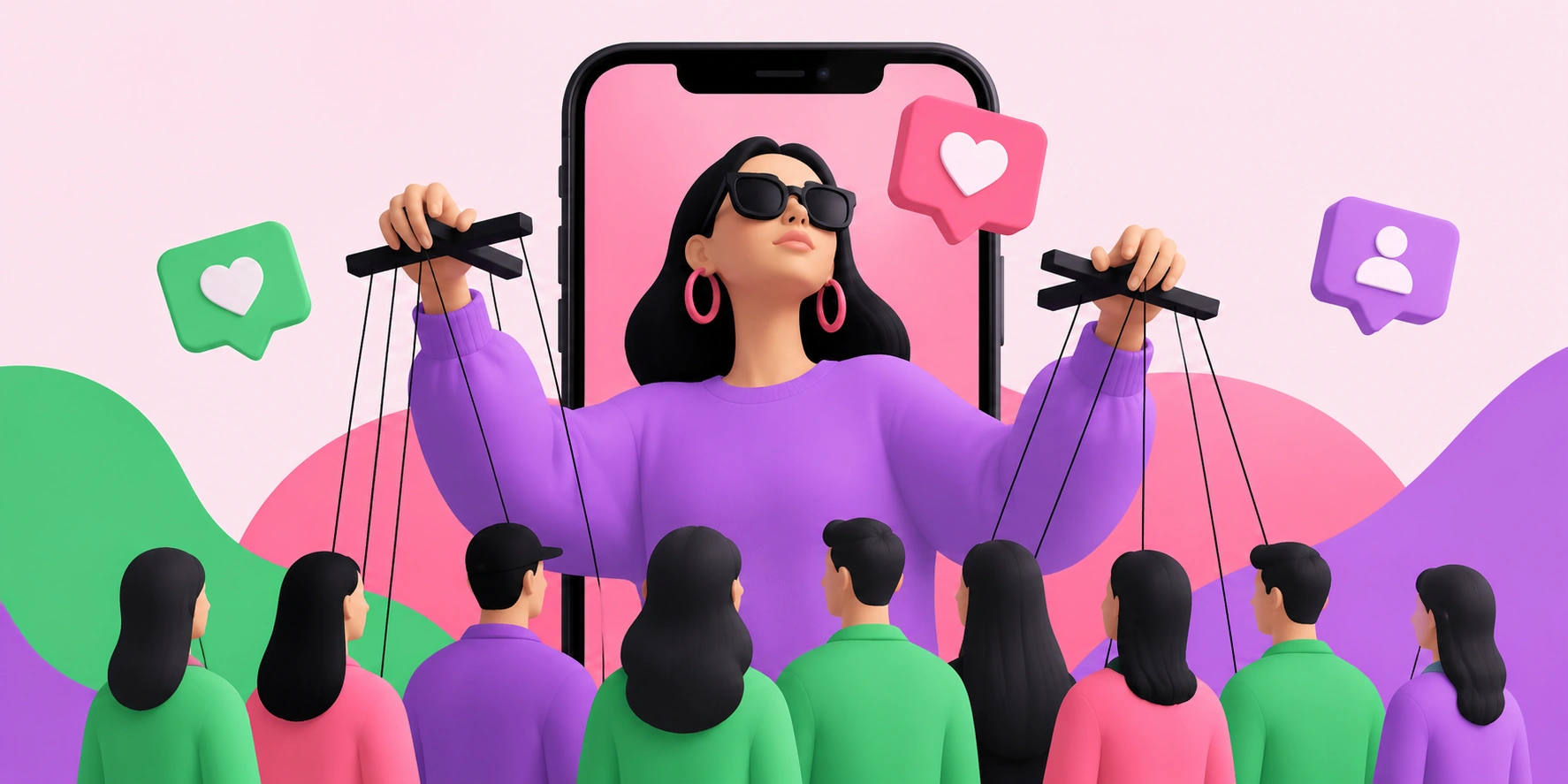
Influencer power is the measurable ability to change what an audience thinks, buys, or shares. It operates through parasocial relationships, a one-sided emotional bond where followers feel they personally know a creator, which makes recommendations feel like advice from a friend rather than an advertisement. This trust is why influencer marketing converts: audiences act on suggestions from people they believe are relatable and honest. The power shows up concretely when a micro-influencer with 40,000 followers drives more sales for a niche product than a national TV spot, or when a creator's offhand criticism of a company triggers a boycott within hours. Unlike traditional advertising, this influence is fast, personal, and difficult to counter once it spreads.
Where Do Influencers Have the Most Influence?
Influencer power is strongest in specific domains where trust and identity intersect with purchasing. The impact is uneven, and recognizing the high-leverage areas helps brands and consumers stay aware.
- Consumer purchases: Beauty, fashion, fitness, and tech products see the highest conversion from creator recommendations.
- Cultural trends: Slang, music, aesthetics, and viral challenges often originate from a handful of creators before reaching the mainstream.
- Health and wellness: Diet, supplement, and lifestyle advice spreads rapidly, sometimes outpacing medical accuracy.
- Political and social opinion: Younger audiences increasingly form views from creators rather than legacy news outlets.
- Brand reputation: A single viral complaint can force a company into public damage control.
Is Influencer Power Balanced or Dangerous?
The power influencers hold is real, but it comes with structural weaknesses and risks that keep it in check while also creating potential for harm. The table below compares the strengths and vulnerabilities of influencer power to give a balanced view.
| Aspect | Source of Power | Built-in Limitation |
|---|---|---|
| Trust | Parasocial bonds drive high conversion | Collapses instantly if authenticity is questioned |
| Reach | Algorithms amplify content globally | Same algorithms can bury a creator overnight |
| Speed | Trends and opinions spread in hours | Attention fades fast, limiting lasting impact |
| Monetization | Direct access to buyers and sponsors | Dependent on platforms they do not control |
What Do the Numbers Say About Influencer Power?
The data confirms that influencer power is large and growing. According to Influencer Marketing Hub, the global influencer marketing industry was valued at roughly $24 billion in 2024, up from just $1.7 billion in 2016, reflecting how heavily brands now bet on creator trust. Research reported by Matter Communications found that around 69% of consumers trust recommendations from influencers, friends, and family over information coming directly from a brand. My own view, based on watching campaign performance across sectors, is that this power is best described as concentrated but conditional: it is enormous while trust holds, yet it evaporates the moment audiences sense manipulation. That fragility is precisely why influencers are not the unchecked force some headlines suggest. The real risk is not that individuals have too much power, but that the ecosystem lacks transparency, allowing undisclosed paid content to blur the line between honest opinion and advertising.
Key Takeaways
- Influencer marketing grew from $1.7 billion in 2016 to about $24 billion in 2024, proving the commercial weight of creator influence.
- Roughly 69% of consumers trust influencer recommendations more than direct brand messaging.
- Influencer power rests on fragile parasocial trust that collapses when authenticity is doubted.
- The greatest risk is a lack of disclosure and regulation, not the influence itself.
- Brands should vet creators for authentic engagement rather than raw follower counts.
Frequently Asked Questions
Do social media influencers really have too much power?
Influencers hold substantial power over purchases and culture, but it is conditional on audience trust. Because that trust disappears quickly when creators seem dishonest or overly commercial, their power is significant yet self-limiting rather than absolute or permanently guaranteed.
Why do people trust influencers so much?
People trust influencers because of parasocial relationships, a one-sided emotional bond that makes followers feel they personally know the creator. This makes recommendations feel like advice from a friend rather than advertising, which increases persuasion and purchase intent significantly.
Can influencers damage a brand's reputation?
Yes. A single viral complaint or negative review from a trusted creator can trigger boycotts and force public damage control within hours. This is why brands should build genuine relationships with creators and respond quickly and transparently to criticism.
Are influencers more powerful than traditional advertising?
In many niches, yes. Influencers deliver personal, trusted recommendations that convert better than impersonal ads, especially in beauty, fashion, and tech. However, traditional advertising still offers broader reach and more brand control over messaging and timing.
How can consumers protect themselves from influencer manipulation?
Consumers should look for clear paid-partnership disclosures, cross-check health or financial claims with credible sources, and remember that most recommendations are commercial. Following diverse voices and being skeptical of sudden hype helps reduce the risk of manipulation.
Conclusion
The most important insight is that influencer power is genuine but conditional, resting on a foundation of trust that can crumble in a single misstep. Rather than fearing or dismissing it, brands and consumers should engage with it critically, prioritizing transparency and authenticity over raw reach. If you are a business looking to work with creators responsibly, partner with experienced strategists who measure real impact instead of vanity numbers, and treat borrowed trust as something to protect, never exploit.