Why Schedule Social Media Posts? Benefits and Best Practices
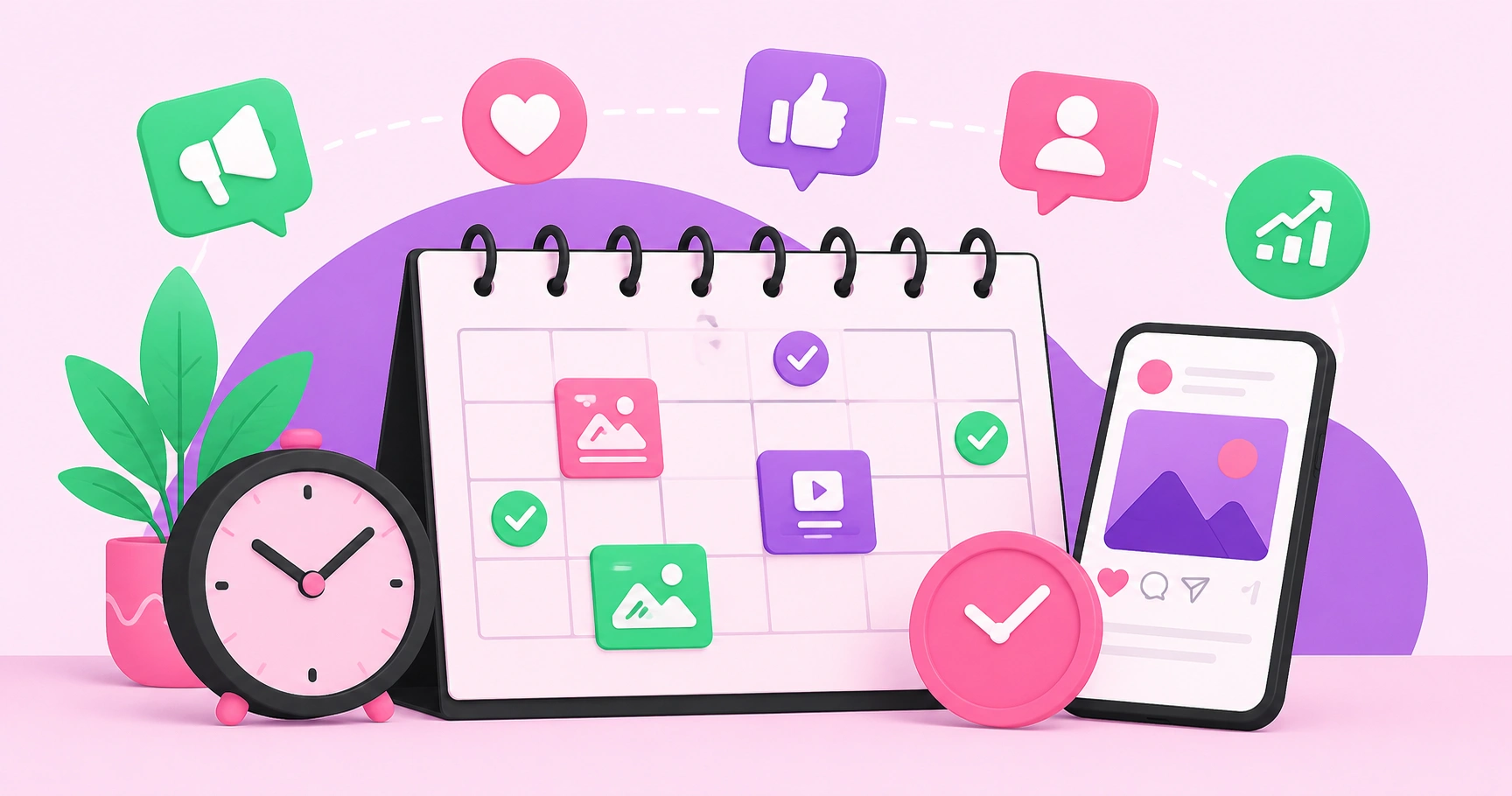
Scheduling social media posts means planning and queuing content in advance so it publishes automatically at chosen times. Instead of manually posting throughout the day, marketers and business owners use scheduling tools to maintain a consistent presence effortlessly. Understanding why scheduling matters, and how to do it well, is essential for anyone looking to save time, stay organized, and maximize engagement across multiple platforms in today's demanding digital landscape.
Quick Answer: Scheduling social media posts saves time, ensures consistent posting, and lets you publish when your audience is most active. It reduces daily stress, supports strategic planning, maintains brand presence across time zones, and frees up time to focus on engagement and higher-value marketing tasks.
How WebPeak Can Help
Consistent, strategic posting requires the right tools and expertise, which WebPeak provides. Their team plans and schedules content through Social Media Management, amplifies it with Social Media Marketing, and creates the assets that fill the calendar through Content Writing. This ensures brands maintain a steady, engaging presence without the daily burden of manual posting.
The Core Benefits of Scheduling
Scheduling transforms social media from a reactive chore into a proactive strategy. The primary benefits explain why so many businesses adopt this approach:
- Time Savings: Batch-creating and scheduling posts frees up hours each week.
- Consistency: Regular posting keeps your brand visible and reliable.
- Optimal Timing: Posts go live when your audience is most active, even overnight.
- Strategic Planning: Content calendars align posts with campaigns and events.
- Reduced Stress: No scrambling to post manually every day.
Together, these benefits make social media management more efficient, sustainable, and effective, especially for teams juggling multiple responsibilities.
Consistency and Audience Timing
Two of the most powerful advantages of scheduling are consistency and timing. Social media algorithms favor accounts that post regularly, rewarding them with greater visibility. Scheduling ensures you never miss a day, even during busy periods or holidays, keeping your brand top of mind.
Timing matters just as much. Your audience may be most active early in the morning or late at night, times when manual posting is impractical. Scheduling lets you publish at these peak moments automatically, maximizing reach and engagement without disrupting your own routine.
Scheduled vs. Manual Posting
Comparing scheduled and manual posting highlights why planning ahead is so valuable. The table below outlines the key differences.
| Factor | Manual Posting | Scheduled Posting |
|---|---|---|
| Time Efficiency | Time-consuming daily effort | Batch planning saves time |
| Consistency | Prone to gaps and missed days | Reliable, steady presence |
| Timing | Limited to when you are available | Publishes at peak audience times |
| Strategy | Reactive and ad hoc | Planned and campaign-aligned |
While manual posting allows for spontaneous, real-time content, scheduling provides the structure and reliability that sustainable social media success requires.
The Data Behind Scheduling Success
The value of scheduling is well supported by industry data. According to Sprout Social, consistency in posting is strongly linked to audience growth and engagement, as regular content keeps brands visible in crowded feeds. Scheduling is the most practical way to achieve this consistency at scale.
Additionally, HubSpot research indicates that marketers who plan and document their content strategy, which scheduling naturally supports, report significantly higher success rates than those who post reactively. My analysis is that scheduling is not about removing the human element but amplifying it. By automating the mechanical act of publishing, marketers free up mental energy for the tasks that truly require human judgment: creating quality content, responding to comments, and analyzing performance. The most successful brands combine scheduled posts for consistency with real-time engagement for authenticity, striking a balance that pure automation or pure spontaneity cannot achieve alone.
Key Takeaways
- Scheduling saves time by allowing batch content creation and planning.
- It ensures consistent posting, which algorithms and audiences reward.
- Posts can publish at peak audience times, even overnight.
- Content calendars align posts with campaigns and strategic goals.
- The best approach combines scheduling with real-time engagement.
Frequently Asked Questions
Why should I schedule social media posts?
You should schedule social media posts to save time, maintain consistent posting, and publish when your audience is most active. Scheduling reduces daily stress, supports strategic planning through content calendars, and frees you to focus on engagement and creative work rather than manual, repetitive posting tasks.
Does scheduling posts hurt engagement?
No, scheduling does not hurt engagement when done well. In fact, publishing at optimal times often boosts it. The key is to combine scheduled posts with real-time interaction, responding to comments and joining conversations, so your presence feels authentic rather than fully automated.
What are the best tools for scheduling posts?
Popular scheduling tools include platforms that let you plan, queue, and analyze posts across multiple networks from one dashboard. The best tool depends on your needs and budget, but most offer features like content calendars, optimal timing suggestions, and performance analytics to streamline your workflow.
How far in advance should I schedule posts?
Many businesses schedule content one to four weeks in advance, balancing planning with flexibility. This allows you to maintain consistency while leaving room for timely, spontaneous posts about current events or trends. Avoid scheduling too far ahead, as content may become outdated or off-brand.
Can I schedule posts for all social media platforms?
Yes, most major platforms support scheduling, either natively or through third-party tools. You can schedule posts for Facebook, Instagram, LinkedIn, X, and others. Using a single management tool lets you coordinate content across all platforms efficiently from one central dashboard.
Conclusion
Scheduling social media posts saves time, ensures consistency, and lets brands reach audiences at peak moments, transforming social media from a daily chore into a strategic advantage. The most effective approach pairs smart scheduling with genuine real-time engagement. For businesses wanting to maintain a strong, consistent presence without the daily grind, partnering with WebPeak provides the strategy, tools, and content needed to succeed.