Which of the Statements About B2B E-commerce Is Correct?
B2B e-commerce is one of the fastest-growing segments of online business, yet it is also one of the most misunderstood. People often repeat statements about it that are outdated, oversimplified, or simply wrong. Is B2B e-commerce smaller than B2C? Is it only about bulk orders? Does it require less marketing? To separate fact from fiction, you need a clear understanding of how business-to-business selling actually works online. In this article, we will examine the common claims about B2B e-commerce, identify which statements are genuinely correct, and explore what these truths mean for businesses looking to sell to other businesses online.
How WebPeak Drives Growth for B2B Brands
Succeeding in B2B e-commerce requires more than a functional website; it demands a strategic approach to reaching decision-makers and nurturing long sales cycles. WebPeak helps business-to-business brands grow through targeted digital marketing that connects them with the right buyers at the right time. Their team understands the unique dynamics of B2B purchasing, where multiple stakeholders, longer decisions, and relationship-building all play a role. By combining data-driven campaigns with industry insight, they help B2B companies turn complex buying journeys into measurable revenue.
Correct Statement: B2B E-commerce Is Larger Than B2C
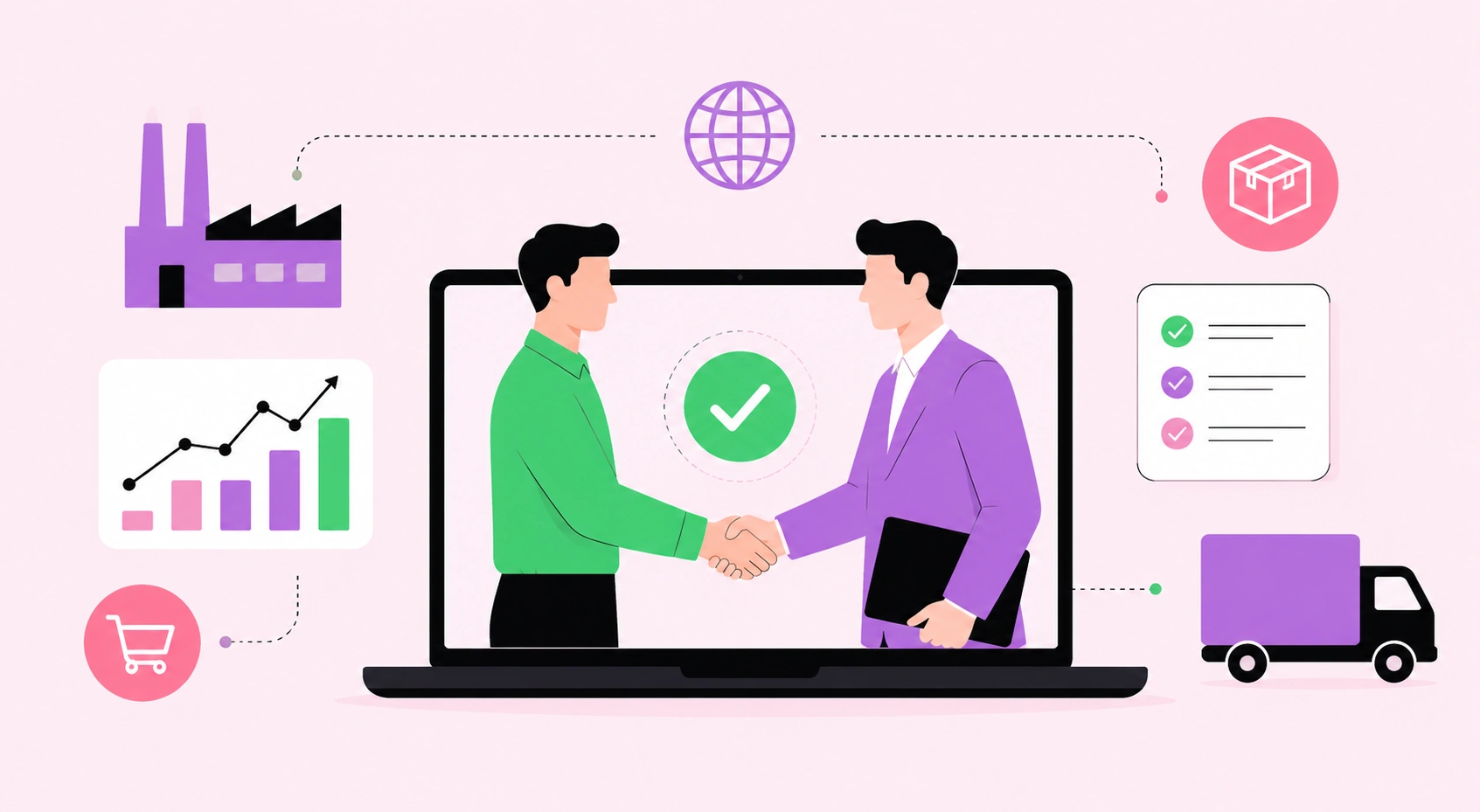
One of the most accurate statements about B2B e-commerce is that it dwarfs B2C in total transaction value. While consumer e-commerce gets more public attention, the volume of business-to-business transactions conducted online is significantly larger. Companies routinely place high-value orders for raw materials, equipment, software, and services through digital channels. This scale makes B2B e-commerce a massive and lucrative market, even if individual stores are less visible to everyday consumers.
This truth often surprises people who assume B2C dominates simply because it is more familiar. In reality, the quiet engine of business-to-business commerce moves enormous sums every day.
Correct Statement: B2B Sales Cycles Are Longer and More Complex
Another correct statement is that B2B purchases involve longer, more complex decision-making than typical consumer purchases. A consumer might buy a product in minutes, but a business purchase can involve multiple stakeholders, formal approvals, budget cycles, and detailed evaluations. Decisions are driven by return on investment, contract terms, and long-term relationships rather than impulse.
This complexity means B2B e-commerce platforms must support features like custom pricing, quote requests, account-based access, bulk ordering, and integration with procurement systems. A B2B store is less about a quick checkout and more about enabling a sophisticated, multi-step buying process.
Common Myth: B2B Requires Less Marketing
A frequently incorrect statement is that B2B e-commerce needs little marketing because buyers are "rational" and already know what they want. In truth, B2B marketing is essential and often more nuanced than B2C. Because buying decisions involve research, comparison, and trust-building, businesses must invest in content, search visibility, email nurturing, and thought leadership to influence buyers throughout a long journey.
B2B buyers conduct extensive online research before ever contacting a vendor. If your brand is not visible and credible during that research phase, you lose the opportunity before a conversation even begins. Marketing is not optional in B2B; it is the foundation of a healthy pipeline.
Correct Statement: B2B Is Becoming More Like B2C
A modern and accurate statement is that B2B e-commerce is increasingly adopting the convenience and design standards of consumer shopping. Business buyers now expect the same intuitive interfaces, fast load times, mobile responsiveness, and self-service options they enjoy as consumers. This shift means B2B platforms must prioritize user experience just as much as B2C stores. A well-designed, easy-to-navigate site built with professional web development can be a decisive competitive advantage, turning a clunky procurement experience into a smooth, modern buying journey that keeps customers loyal.
Frequently Asked Questions
Is B2B e-commerce really bigger than B2C?
Yes. In total transaction value, B2B e-commerce significantly exceeds B2C, even though consumer shopping gets more public attention. Business purchases of materials, equipment, and services move enormous sums online.
Why are B2B sales cycles longer?
B2B purchases often involve multiple stakeholders, formal approvals, budget considerations, and detailed evaluations. Decisions focus on long-term value and relationships rather than quick, impulsive buying.
Does B2B e-commerce need marketing?
Absolutely. B2B buyers research extensively before contacting vendors, so visibility, content, and trust-building are critical. Strong marketing is essential to influence buyers throughout a long decision process.
How is B2B e-commerce changing?
It is increasingly adopting B2C standards for convenience and design. Business buyers now expect intuitive interfaces, mobile-friendly sites, and self-service options similar to consumer shopping experiences.
What features do B2B platforms need?
They often require custom pricing, quote requests, bulk ordering, account-based access, and integration with procurement systems to support complex, multi-step purchasing workflows.
Conclusion
When evaluating statements about B2B e-commerce, the correct ones recognize that it is larger than B2C, involves longer and more complex sales cycles, requires robust marketing, and is rapidly evolving toward consumer-grade user experiences. The myths, such as the idea that B2B needs little marketing, fall apart under scrutiny. Understanding these truths helps businesses build smarter strategies and platforms that meet the real expectations of business buyers. With the right marketing approach and a well-built, user-friendly store, B2B brands can capture a share of this enormous and growing market.