What Is Social Media Misconduct? A Clear Guide for Brands and Employees
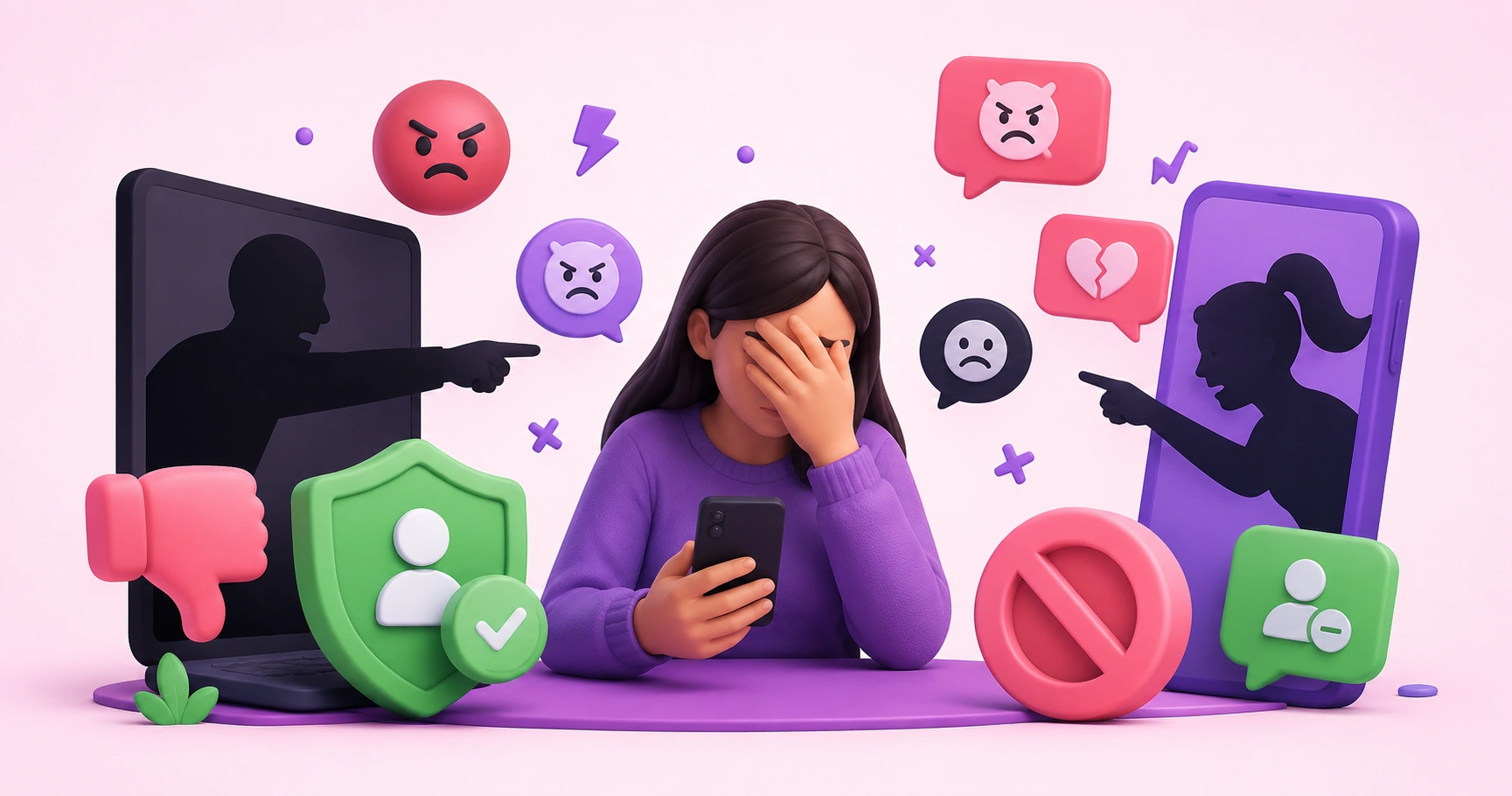
Social media misconduct is any behavior on social platforms that violates an organization's policies, damages its reputation, breaches confidentiality, or exposes it to legal liability. This includes employees posting discriminatory remarks, leaking confidential data, harassing colleagues online, misrepresenting the company, or sharing content that conflicts with brand values. It is one of the fastest-growing categories of workplace disputes because a single screenshot can travel globally within minutes. Whether it happens on a personal account or a corporate handle, the consequences are increasingly real: terminations, lawsuits, and lasting brand damage.
Quick Answer: Social media misconduct is behavior on social platforms that breaches company policy, harms reputation, leaks confidential information, or creates legal risk. Examples include harassment, discriminatory posts, data leaks, and defamation. Brands manage it through clear policies, employee training, and consistent enforcement.
How WebPeak Helps Brands Manage Social Media Reputation
Preventing and responding to social media misconduct is as much a communications challenge as it is a legal one, and this is where WebPeak supports organizations directly. Their team helps brands build monitored, well-governed social channels with documented posting workflows, approval layers, and crisis-response templates so a rogue post or off-brand comment never spirals unchecked. They also assist with rebuilding audience trust after an incident through corrective content strategies, reputation-focused messaging, and consistent brand voice across every platform. For companies that lack an internal social team, having experienced managers who understand both engagement and risk mitigation turns social media from a liability into a controlled, growth-driving asset.
What Are the Most Common Types of Social Media Misconduct?
Social media misconduct falls into several recognizable categories, and understanding each helps organizations write policies that actually cover real risks. Harassment is unwanted, threatening, or bullying behavior directed at colleagues, customers, or the public. Confidentiality breaches occur when employees share trade secrets, client data, unreleased products, or internal decisions. Defamation is publishing false statements that damage another party's reputation. Discrimination covers posts targeting protected characteristics like race, gender, religion, or disability. Finally, brand misrepresentation happens when someone speaks on behalf of the company without authorization or contradicts official positions. Each type carries distinct legal exposure, from employment claims to civil litigation, which is why a one-size-fits-all warning is rarely enough.
How Can Companies Prevent Social Media Misconduct?
Prevention works best when it combines clear rules, education, and consistent enforcement rather than reactive punishment. A strong prevention framework follows these steps:
- Write a specific policy: Define what is prohibited with concrete examples, not vague language like "be professional."
- Separate personal and official accounts: Clarify that employees must never imply they speak for the company on personal profiles.
- Train regularly: Run annual sessions covering privacy, tone, disclosure rules, and real case studies.
- Define an escalation path: Tell employees exactly who to contact when they see a problematic post.
- Enforce consistently: Apply consequences equally across seniority levels to avoid discrimination claims.
- Monitor brand mentions: Use listening tools to catch issues early before they escalate publicly.
Organizations that document these steps and get written employee acknowledgment stand on far firmer legal ground when disciplinary action becomes necessary.
What Are the Consequences of Social Media Misconduct?
The fallout from social media misconduct ranges from internal discipline to public crises, and the severity usually depends on reach, intent, and the harm caused. Below is a practical comparison of misconduct types, their typical business impact, and common responses.
| Type of Misconduct | Typical Business Impact | Common Response |
|---|---|---|
| Harassment of a colleague | Hostile workplace claims, HR disputes | Formal investigation, possible termination |
| Confidential data leak | Legal liability, lost competitive advantage | Termination, potential litigation |
| Discriminatory public post | Public backlash, boycotts, brand damage | Suspension, public statement, dismissal |
| Unauthorized brand statement | Misinformation, customer confusion | Retraction, corrective messaging, warning |
Beyond the immediate response, companies often face secondary costs: recruitment difficulties, reduced customer trust, and increased scrutiny from regulators or partners. Documenting each incident consistently protects the organization if the matter reaches a tribunal or court.
How Serious Is the Legal and Reputational Risk Today?
The risk is significant and rising. According to a survey by CareerBuilder, roughly 34% of employers have reprimanded or fired an employee for content found on social media, showing that platforms are now firmly part of workplace conduct enforcement. Separately, research from Pew Research Center indicates that around 72% of U.S. adults use at least one social media platform, meaning nearly every employee has a public or semi-public voice that can be tied back to their employer. My own analysis of these trends points to a critical insight most policies miss: the danger is rarely the deliberate bad actor but the well-meaning employee who overshares, jokes carelessly, or reacts emotionally in a heated comment thread. Policies that focus only on malicious intent leave the largest gap unaddressed. The smarter approach treats education and culture as the primary defense, with disciplinary rules as the backstop rather than the main strategy.
Key Takeaways
- Social media misconduct includes harassment, confidentiality breaches, defamation, discrimination, and unauthorized brand statements.
- Roughly 34% of employers have disciplined or fired staff over social media content, per CareerBuilder.
- Clear, example-based policies with written employee acknowledgment provide the strongest legal protection.
- Most incidents come from careless oversharing, not deliberate malice, so training matters more than threats.
- Consistent enforcement across all seniority levels prevents secondary discrimination claims.
Frequently Asked Questions
Can an employee be fired for a personal social media post?
Yes, in many cases. If a personal post breaches company policy, harasses colleagues, leaks confidential information, or seriously damages the brand, employers can often take disciplinary action, including termination. Enforceability depends on local laws, a documented policy, and whether the post connects to the workplace.
What is the difference between social media misconduct and free speech?
Free speech protects individuals from government censorship, not from private employer consequences. An employer can discipline an employee for posts that violate policy or harm the business, even lawful speech. The key factor is whether the content breaches agreed workplace conduct rules and causes measurable organizational harm.
What should be included in a social media misconduct policy?
A strong policy defines prohibited behavior with concrete examples, clarifies personal versus official account use, sets confidentiality rules, outlines an escalation process, and states clear consequences. It should require written employee acknowledgment and be reviewed annually to reflect new platforms, features, and emerging legal risks.
How quickly should a company respond to a misconduct incident?
Respond within hours, not days, especially for public-facing incidents. Acknowledge the issue internally, preserve evidence with screenshots, pause any further spread, and follow your documented investigation process. A fast, measured response limits reputational damage far more effectively than silence or a delayed, defensive statement.
Does social media misconduct only apply to employees?
No. It can involve contractors, executives, brand ambassadors, and anyone officially connected to the organization. Leadership misconduct often causes the most severe damage because their words carry greater authority. Contracts with external partners should include social conduct clauses to extend protection beyond direct employees.
Conclusion
The single most important decision brands face with social media misconduct is whether to treat it as a rare crime to punish or a predictable risk to manage through culture and clarity. The evidence favors the second approach: organizations that invest in specific policies, regular training, and consistent enforcement experience fewer incidents and recover faster when problems arise. Start by auditing your current policy against real-world scenarios and closing the gaps you find. Handled with expertise and transparency, social media becomes a source of connection and growth rather than a hidden liability waiting to surface.