What is Headless CMS and Why Agencies Are Switching to It
For years, traditional content management systems like WordPress, Drupal, and Joomla dominated the web. They bundled the content database and the presentation layer into a single platform, making it easy for non-technical users to publish content. But as websites evolved into complex, multi-channel digital products, those tightly coupled platforms started to feel limiting. Enter the headless CMS — an architecture that separates content from presentation and gives developers and editors the best of both worlds.
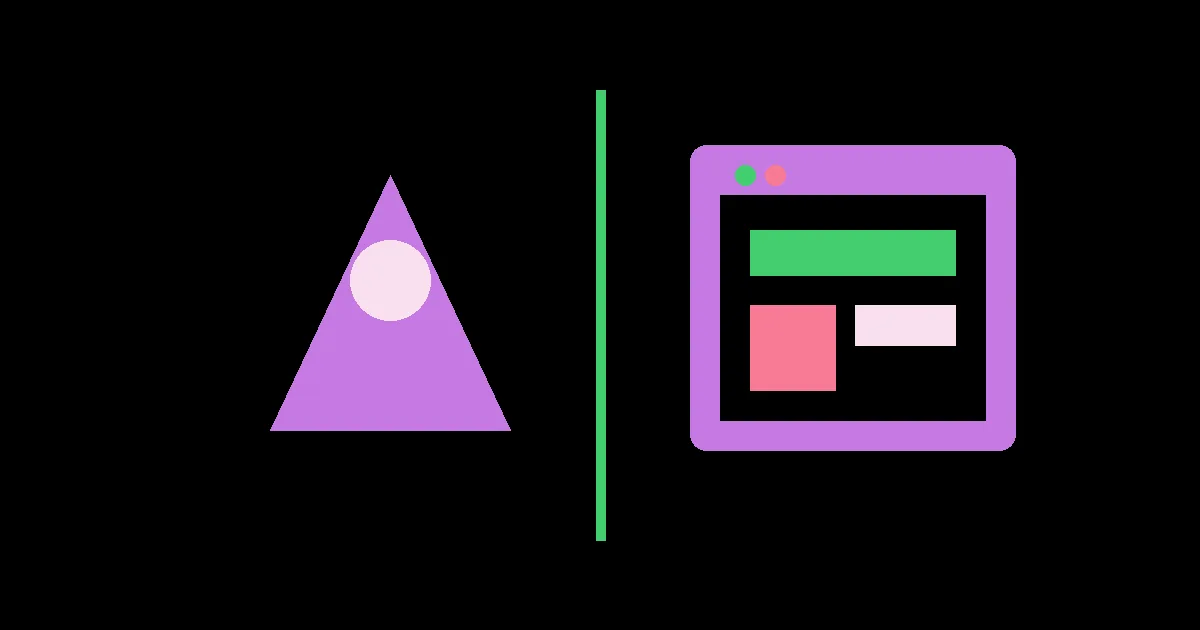
A headless CMS focuses purely on storing and delivering content through APIs. Front-end developers can then build any kind of experience — websites, mobile apps, kiosks, smart TVs — using whatever framework fits best. This decoupling has unlocked faster sites, easier integrations, and more freedom for designers, which is why agencies and modern teams are increasingly switching to headless setups.
How WebPeak Builds with Headless CMS
WebPeak is a worldwide digital agency that designs and develops headless solutions on platforms like Strapi, Sanity, Contentful, and others. Their team helps brands plan content models, integrate APIs, and ship lightning-fast front-ends. Visit WebPeak for a full overview, or explore their Strapi CMS Website Development services for open-source flexibility.
Headless vs. Traditional CMS
A traditional CMS combines content storage, business logic, and the rendered front-end in one platform. You install themes and plugins, edit pages, and the same system serves the HTML to users. This is convenient for simple sites but couples your design tightly to the CMS, often leading to bloated pages and slow performance as features grow.
A headless CMS, by contrast, only manages content. The front-end is built separately — typically with a modern framework like Next.js, Nuxt, or SvelteKit — and pulls data through APIs. This separation gives developers complete control over performance, design, and architecture while editors continue using a familiar interface to manage content.
Why Agencies Are Making the Switch
Agencies care about three things: client outcomes, team productivity, and long-term maintainability. Headless CMS delivers on all three. Performance improves dramatically because front-ends can be statically generated or rendered at the edge, with content fetched only as needed. SEO benefits from faster Core Web Vitals and full control over markup and metadata.
Productivity improves because designers and developers are no longer constrained by theme structures or plugin limitations. Content modeling becomes intentional — clear types, relationships, and validation rules that scale across channels. Combined with strong Web Development processes, headless setups make new features faster to deliver and easier to maintain across many sites or brands.
Multi-Channel and Future-Proof Content
Modern brands publish to far more than just websites. They feed mobile apps, partner integrations, in-store displays, voice assistants, and AI experiences. A traditional CMS struggles with this because its content is locked behind a specific rendering layer. A headless CMS treats content as structured data that can be delivered anywhere via APIs.
This future-proofing is one of the strongest arguments for going headless. When the next channel emerges — whether it is a new device, a marketplace, or an AI assistant — your content is ready to plug in without rewrites. Pair this with strong governance, version control, and clear publishing workflows, and content becomes a true strategic asset rather than a chore tied to a single template.
Considerations Before You Switch
Headless is powerful but not free. It requires more upfront planning around content modeling, preview environments, image handling, and editor experience. Stakeholders accustomed to in-context editing may feel friction at first, especially if previews are not configured well. Choosing the right platform — Sanity, Contentful, Strapi, Storyblok, or others — depends on team size, budget, and customization needs.
Plan integrations carefully: search, e-commerce, personalization, analytics, and authentication all need to work together cleanly. Invest in solid documentation and onboarding so editors stay productive. Combined with a strong Content Writing strategy, a headless CMS becomes a content engine that scales gracefully across channels and markets.
Frequently Asked Questions
Is a headless CMS only for big enterprises?
Not at all. Many small and mid-sized businesses benefit from headless because it improves performance, flexibility, and long-term maintenance. The right platform makes it accessible at almost any budget.
Can editors still preview content with a headless CMS?
Yes. Modern headless platforms support live preview, draft modes, and visual editing tools. With proper setup, editors can preview content exactly as it will appear on each channel.
Is headless CMS better for SEO?
Generally yes, because the front-end can be optimized independently for speed, structured data, and clean markup. Combined with smart content modeling, SEO performance often improves significantly.
Which headless CMS is the best?
It depends on your needs. Sanity and Contentful are popular SaaS options, while Strapi offers open-source flexibility. The best fit balances developer experience, editor experience, and pricing.
Can I migrate from WordPress to a headless CMS?
Yes. Many agencies offer phased migrations that preserve content, URLs, and SEO equity while moving the front-end to a modern framework. Planning redirects and content models carefully is critical.
Conclusion
Headless CMS is more than a buzzword — it is a fundamental shift in how digital teams build, scale, and govern content. By separating content from presentation, agencies gain the freedom to deliver faster, more flexible, and more future-proof experiences across any channel. If your current platform is holding back performance, design, or innovation, exploring a headless approach with the right partner could be one of the highest-leverage decisions you make this year.