Why Headless CMS Is the Future of Content Management
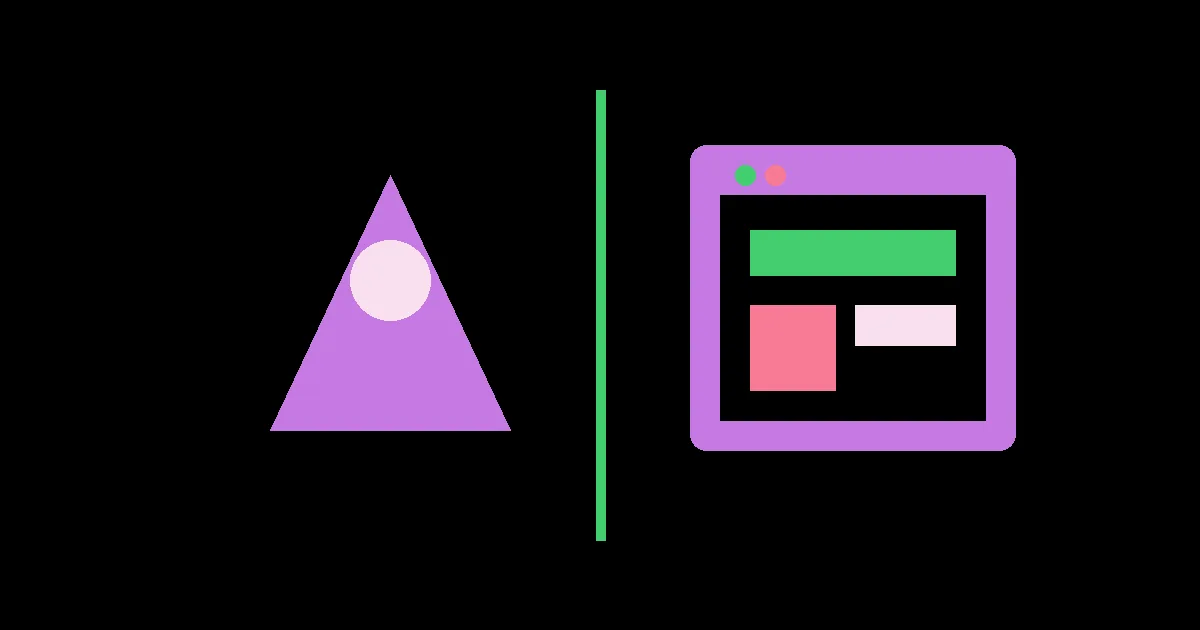
Content is no longer confined to websites — it lives on phones, smartwatches, kiosks, in-car displays, voice assistants, and platforms that haven't even been invented yet. Traditional content management systems were never designed for this kind of omnichannel world. They tightly couple content with presentation, making it hard to deliver the same information consistently across multiple touchpoints. Headless CMS flips this model on its head by separating content storage and management from how that content is rendered, exposing everything through APIs. As businesses scale digital experiences, headless CMS is fast becoming not just a better option — but the inevitable future of content management.
How WebPeak Helps Brands Embrace Headless CMS
Adopting a headless CMS is more than a tech upgrade — it's a shift in how teams think about content, design, and delivery. WebPeak guides businesses through this transition with strategy, implementation, and long-term support. Their team architects content models, integrates headless platforms with frontends, and builds custom workflows that make editors and developers equally productive. Through their web application development expertise, they help brands build modern, future-ready digital experiences powered by flexible content infrastructure.
The Limitations of Traditional CMS
Traditional CMS platforms like classic WordPress installs were built for an era dominated by desktop browsers and templated pages. While they're still excellent for content-driven websites, they struggle with multi-channel delivery, modern frontends, and modular content reuse. Their tight coupling of content and templates often creates technical debt, making redesigns and integrations more expensive over time. Plugin sprawl can also lead to performance and security issues. As digital products grow more sophisticated, the limitations of these systems become harder to ignore.
How Headless CMS Solves These Challenges
A headless CMS treats content as structured data, not formatted HTML. This data is delivered via APIs to any frontend — websites, apps, smart devices, or third-party platforms. Editors continue to work in a familiar interface, while developers gain the freedom to use any framework or technology to render that content. The result is faster websites, more consistent experiences across channels, and easier integrations with marketing automation, e-commerce, and analytics tools. Content becomes a reusable asset, not a fragile artifact tied to a single template.
Real Business Benefits
The benefits go far beyond technical elegance. Headless CMS enables faster page loads, which improve SEO and conversions. It supports easier rebrands and redesigns since the frontend can change without disrupting content. Marketing and engineering teams can work in parallel — editors update content while developers ship new features. Multi-language and multi-region content becomes simpler to manage, supporting global expansion. Over time, headless architectures often prove more cost-effective despite higher upfront investment, because they scale more cleanly and reduce the need for full rebuilds.
What the Future Holds
The future of content management is increasingly composable. Businesses will mix and match best-of-breed tools — a headless CMS, a search engine, a personalization layer, an analytics platform, a commerce engine — all connected through APIs. AI will play a growing role, generating content drafts, optimizing metadata, and personalizing experiences in real time. Edge computing will push rendering closer to users for instant performance globally. Headless CMS sits at the center of this ecosystem, acting as the structured content layer that everything else plugs into. Teams that adopt it early will be far better prepared for what's next.
Frequently Asked Questions
What exactly is a headless CMS?
A headless CMS is a content management system that stores and manages content but doesn't dictate how it's displayed. It delivers content via APIs to any frontend, such as a website, mobile app, or connected device.
How is a headless CMS different from WordPress?
Traditional WordPress couples content and presentation through PHP themes, while a headless CMS exposes content via APIs for any frontend. WordPress can also be used headlessly, but tools like Strapi or Sanity are designed specifically for that purpose.
Is a headless CMS good for SEO?
Yes, when implemented with server-side rendering or static generation. Headless sites can achieve excellent Core Web Vitals and SEO performance with the right frontend strategy.
Are headless CMS platforms harder to use for editors?
Modern headless CMS platforms have invested heavily in editor experience, often matching or exceeding traditional CMS interfaces. Some training may be needed, but most editors adapt quickly.
Should every company switch to a headless CMS?
Not necessarily. Headless CMS is ideal for multi-channel content, modern frontends, and growing digital products. For simple single-website use cases, a traditional CMS may still be more practical.
Conclusion
Headless CMS represents a fundamental rethinking of how content is created, stored, and delivered in a multi-channel world. It empowers businesses to move faster, scale further, and adapt to new platforms without starting from scratch every few years. As composable architectures and AI-driven experiences continue to grow, headless CMS becomes the structured content backbone that makes all of it possible. Embracing it now isn't just modernization — it's preparation for the next generation of digital experiences and the long-term advantage that comes with being ready for them.