How to Evaluate a Website Design
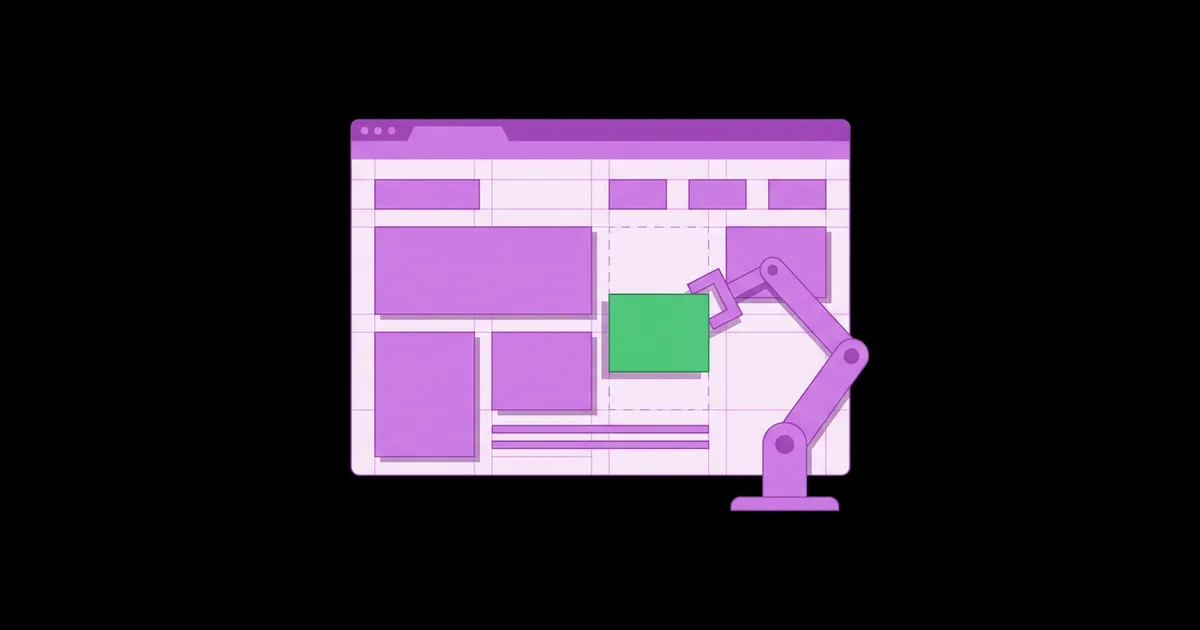
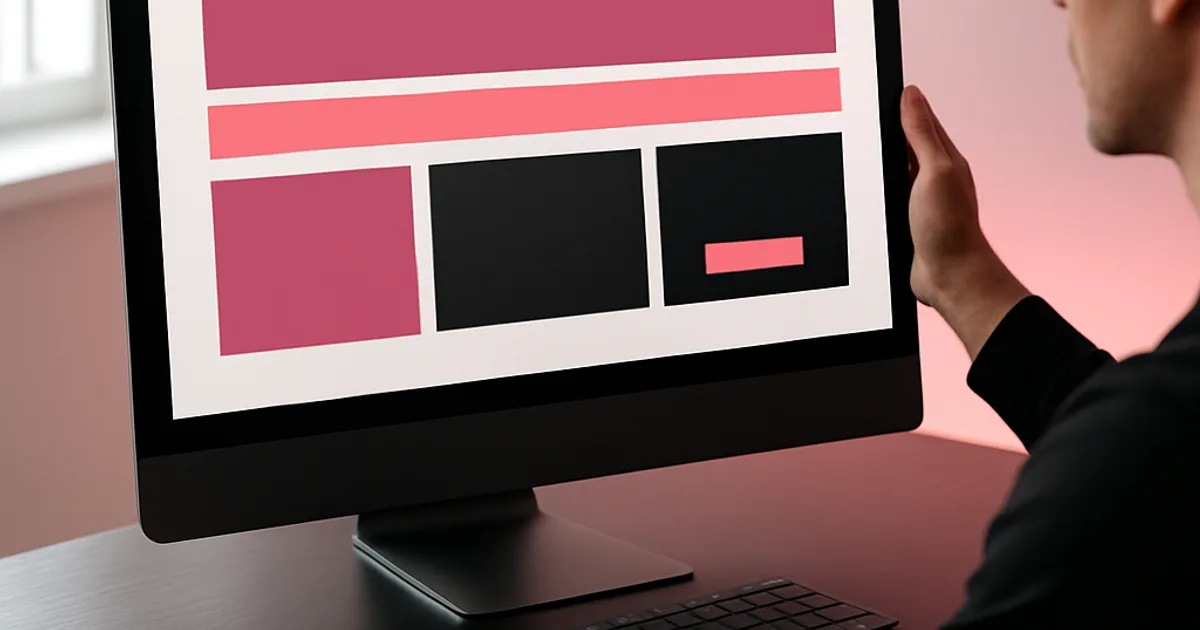
A website can look attractive at first glance yet still fail to serve its purpose, which is why knowing how to evaluate a website design is such a valuable skill. Good design is about far more than appearance; it encompasses usability, performance, accessibility, content clarity, and the ability to guide visitors toward meaningful action. Whether you are reviewing your own site, assessing a competitor, or judging a designer's proposed work, a structured evaluation helps you separate genuine quality from surface-level polish. By examining a site against clear criteria, you can identify strengths to build on and weaknesses to fix. In this guide, we break down the essential factors that define a well-designed website, from first impressions and navigation to speed and conversion potential, giving you a practical framework to evaluate any website design with confidence and objectivity.
How WebPeak Builds Designs That Pass Every Test
Evaluating a design is one thing; creating one that excels across every criterion is another, and that is where a skilled agency proves its worth. WebPeak is a worldwide full-service digital agency that designs websites engineered to perform on usability, speed, accessibility, and conversions alike. Their team approaches design as a balance of art and strategy, ensuring each site looks impressive while delivering real business results. Their website design service produces sites that hold up to rigorous evaluation. To explore how they combine design with development and marketing for complete solutions, visit WebPeak and see what high-standard design looks like in practice.
Assess First Impressions and Visual Appeal
The first few seconds on a website shape a visitor's perception, so begin your evaluation with first impressions. Does the design look modern, professional, and trustworthy, or dated and cluttered? Consider the overall visual hierarchy: are the most important elements, such as headlines and calls to action, immediately noticeable? A strong design uses consistent colors, typography, and spacing that reflect the brand and create a sense of order.
Visual appeal should never come at the expense of clarity. Evaluate whether images and graphics enhance the message or simply add noise, and whether there is enough white space to let content breathe. A well-balanced design feels inviting and easy on the eyes, guiding attention naturally. If a site feels chaotic, overwhelming, or generic, that is an early sign the design needs refinement, no matter how flashy individual elements may be.
Evaluate Usability and Navigation
A beautiful website is only effective if visitors can use it easily, making usability one of the most important evaluation criteria. Examine the navigation: is the menu clear, logically organized, and easy to find? Can visitors reach key pages within a click or two? Confusing or cluttered navigation frustrates users and drives them away, while intuitive structure keeps them engaged.
Test the site on different devices to confirm it is fully responsive, since a large share of traffic comes from mobile. Check that buttons, links, and forms work smoothly and that interactive elements respond as expected. Accessibility also matters; well-designed sites consider users with disabilities through readable fonts, sufficient contrast, and proper labeling. A site that combines thoughtful usability with solid web development delivers a seamless experience that keeps visitors moving toward their goals.
Check Performance and Technical Quality
Even the most attractive design fails if the site is slow or unreliable, so performance is a critical part of any evaluation. Measure how quickly pages load, since visitors abandon sites that lag and search engines penalize slow performance. Look for signs of optimization such as fast-loading images, smooth scrolling, and minimal delays when navigating between pages.
Beyond speed, assess technical quality by checking for broken links, error pages, and elements that do not display correctly across browsers. A well-built site handles these details gracefully. Strong technical performance reflects careful development and directly supports both user satisfaction and search visibility. Because design and performance are closely linked to discoverability, evaluating a site also means considering how well it is positioned for SEO, including clean structure and fast, mobile-friendly pages.
Measure Content Clarity and Conversion Potential
Ultimately, a website exists to communicate and convert, so evaluate how well its content and design work together toward those goals. Is the messaging clear and benefit-focused, helping visitors quickly understand what the business offers and why it matters? Content should be easy to scan, with descriptive headings, concise paragraphs, and a logical flow that guides readers through the page.
Examine the calls to action: are they visible, compelling, and placed where visitors naturally look? A well-designed site makes the next step obvious, whether that is contacting the business, signing up, or making a purchase. Consider whether the design builds trust through testimonials, clear contact details, and a professional appearance. When content clarity and conversion-focused design align, the website does not just look good; it actively drives results, which is the true measure of effective design.
Frequently Asked Questions
What are the most important factors in evaluating a website design?
Key factors include first impressions, visual appeal, usability, navigation, performance, accessibility, content clarity, and conversion potential. A strong design balances aesthetics with function and results.
How can I tell if a website is user-friendly?
Check whether the navigation is clear and logical, key pages are easy to reach, and the site works smoothly on mobile devices. Intuitive structure and responsive design are signs of good usability.
Why does website performance matter in design evaluation?
Slow or unreliable sites frustrate users and hurt search rankings, no matter how attractive they look. Fast load times and smooth functionality are essential parts of effective design.
How do I evaluate a website's conversion potential?
Look at whether calls to action are visible and compelling, messaging is clear and benefit-focused, and the design builds trust. A good site makes the next step obvious for visitors.
Does good design include accessibility?
Yes. Accessible design uses readable fonts, sufficient color contrast, and proper labeling so people with disabilities can use the site. It improves the experience for all visitors.
Conclusion
Evaluating a website design well means looking beyond surface appearance to assess usability, performance, accessibility, content clarity, and conversion potential together. By applying a structured framework, you can judge any site objectively, identifying what works, what falls short, and where improvements will have the greatest impact. The best designs are those that blend visual appeal with seamless functionality and a clear path to action, delivering genuine results rather than just good looks. If you want a website that excels across every one of these criteria, partnering with an experienced design agency ensures your site is built to impress and to perform.