What is the Difference Between Web Design and Web Development
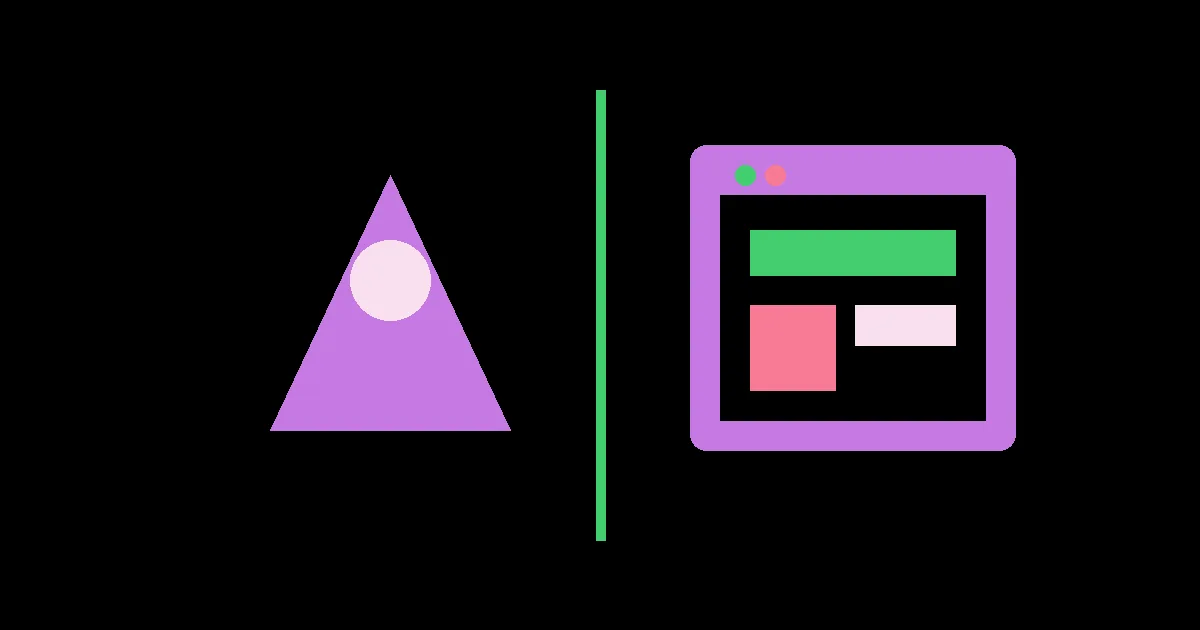
Web design and web development are two terms often used interchangeably, but they describe very different disciplines. Web design focuses on how a website looks, feels, and communicates with users. Web development focuses on how that design becomes a working, interactive product in the browser. Both are essential, and understanding where one ends and the other begins helps businesses scope projects accurately, hire the right talent, and avoid costly miscommunication.
If you have ever wondered whether you need a designer, a developer, or both for your next project, you are not alone. Many founders and marketing teams underestimate the depth of each field. The truth is that great websites are the result of close collaboration between visual thinkers and technical builders, supported by strategy, content, and ongoing optimization.
How WebPeak Bridges Design and Development
WebPeak is a worldwide digital agency where designers and engineers collaborate on every project, ensuring that what is sketched in Figma actually feels and performs that way in the browser. Their unified team handles strategy, UX, visual design, and engineering under one roof. You can explore their Website Design capabilities or visit WebPeak to see how they balance aesthetics, usability, and performance for clients across industries.
What Web Design Really Means
Web design is the practice of planning and creating the visual and experiential layer of a website. This includes user research, information architecture, wireframes, user flows, visual design, typography, color systems, iconography, and interaction details. Designers think about how a user feels when they land on a page, how their eye travels across the screen, and how each click moves them closer to a goal.
Modern web design also involves accessibility, responsive layouts, brand consistency, and content hierarchy. Tools like Figma, Sketch, and Adobe XD help designers prototype interfaces that can be tested with real users before a single line of code is written. The result is a blueprint that defines not just appearance but behavior across devices.
What Web Development Really Means
Web development takes those blueprints and turns them into a real, functioning website. Developers write code in HTML, CSS, JavaScript, and frameworks like React or Next.js to render interfaces in the browser. They handle responsiveness, animations, accessibility implementation, and performance optimization. They also integrate with content management systems, APIs, payment gateways, and databases.
Development is typically split into front-end and back-end. Front-end developers build everything the user sees and interacts with. Back-end developers build the servers, databases, and business logic behind the scenes. Full-stack developers operate across both layers. Strong engineering teams turn beautiful designs into fast, secure, and maintainable products. For projects that need expert execution, professional Front-End Web Development ensures the design intent is preserved pixel by pixel.
Where Design and Development Overlap
The boundary between design and development is increasingly blurred. Designers now think in components, design systems, and tokens — concepts borrowed from engineering. Developers, in turn, care deeply about visual polish, motion, and user experience. Tools like Figma, Storybook, and design-to-code workflows are bringing both disciplines closer than ever.
Successful teams treat the entire process as a single workflow. Designers and developers share a vocabulary, collaborate during reviews, and iterate together based on real usage data. This overlap is why agencies that house both functions usually deliver more cohesive products than fragmented teams hired separately.
Which One Does Your Project Need?
The honest answer is almost always both. A beautiful design that is poorly engineered will be slow, buggy, or hard to maintain. A technically sound site with a weak design will fail to convert visitors or build trust. The right approach is to scope your project so that design and development run in close coordination, with clear handoffs, design tokens, and a shared component library.
If you are working with a small budget, prioritize a clear visual identity and clean, accessible code over flashy effects. If you are scaling, invest in a design system and a robust front-end architecture so future updates are quick and consistent. Either way, treating design and development as partners — not competing line items — is the surest path to a website that performs.
Frequently Asked Questions
Can a web designer also do development?
Some professionals work as designer-developers, but most specialize. For complex projects, dedicated experts in each discipline produce stronger results than one person stretched across both.
Is web design or development more important?
Neither is more important — they are interdependent. A great website needs thoughtful design and solid engineering working together to create a strong user experience.
Do I need both for a small business website?
Yes, even small sites benefit from professional design and clean development. The investment pays off in faster load times, better conversions, and easier future updates.
What tools do web designers use?
Most designers use Figma today, often alongside tools like Adobe Creative Suite, Webflow, and motion tools like Lottie or Rive for advanced interactions and prototyping.
How long does a typical web project take?A small marketing site might take four to six weeks, while a complex platform can take several months. Clear scope, content readiness, and good collaboration shorten timelines significantly.Conclusion
Web design and web development are distinct but deeply connected disciplines. Design defines the experience, while development brings it to life. The best digital products come from teams that respect both crafts and integrate them tightly throughout the project. Whether you are launching your first website or rebuilding an established one, hiring partners who understand this balance will save you time, money, and frustration while delivering a result your users actually love.