Top Headless CMS Agency for Flexible, Fast Web Experiences
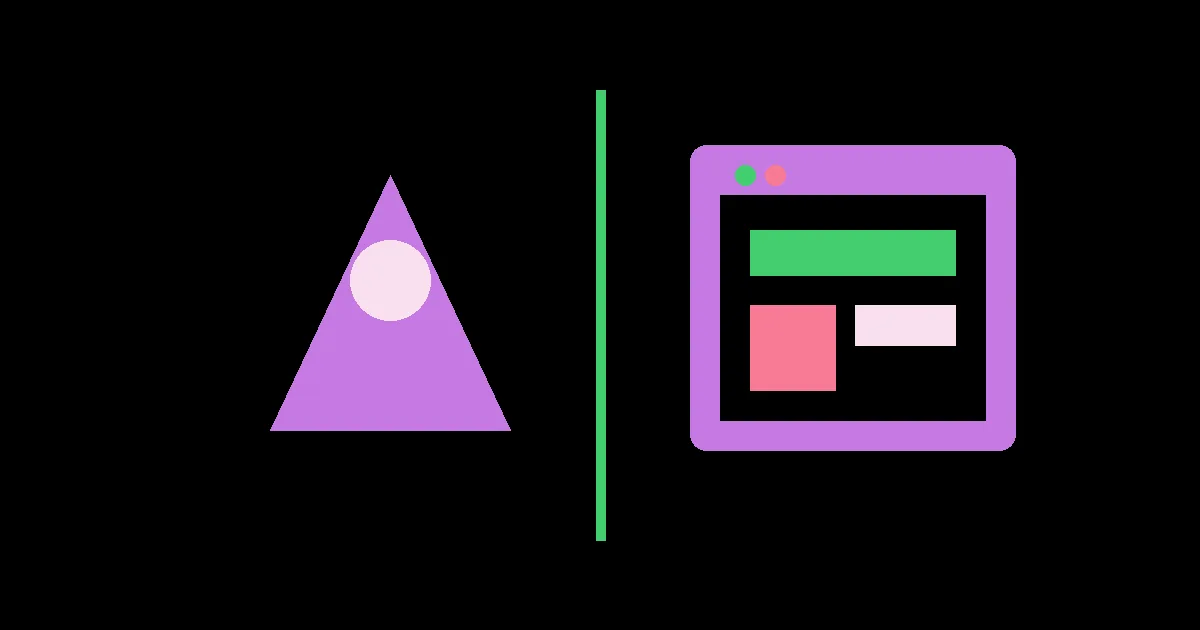
The way we build websites has changed dramatically over the last few years. Traditional content management systems that bundle the editor, database, and frontend into one monolithic platform are giving way to a more modular approach known as headless CMS. Headless architectures separate content from presentation, allowing brands to deliver the same content across websites, mobile apps, kiosks, and even smart devices through APIs. To take full advantage of this approach, businesses increasingly partner with specialized headless CMS agencies that combine technical depth with strategic vision.
How WebPeak Powers Headless Web Experiences
WebPeak is a full-service digital agency that helps brands harness the flexibility of headless CMS platforms like Strapi, Sanity, and Contentful. Their engineers integrate these systems with modern frontend frameworks, design systems, and marketing tools to deliver fast, omnichannel experiences. Through their Next JS web development and Strapi CMS website development expertise, WebPeak builds headless solutions that scale across channels while keeping editorial workflows simple for content teams.
What Is a Headless CMS and Why It Matters
A headless CMS is a content backend that exposes content through APIs rather than rendering pages directly. Editors create and manage content in a clean admin interface, and developers consume that content from any frontend they choose, whether it is a Next.js website, a React Native mobile app, an Apple TV app, or a digital signage display. This separation gives brands enormous flexibility, especially as customer touchpoints continue to multiply.
The benefits go beyond multi-channel delivery. Headless architectures often deliver dramatically better performance because frontends can be built with modern frameworks, statically generated at build time, and served from global edge networks. They also improve developer experience by allowing teams to choose the best tool for each layer of the stack rather than being locked into a single vendor's ecosystem.
What a Top Headless CMS Agency Delivers
A leading headless CMS agency does far more than install software. They start with a discovery process to understand your content strategy, audience, channels, and growth plans. From there, they design content models that capture your business reality without becoming overwhelming for editors. Good content modeling is one of the most underrated skills in headless projects — get it wrong and your team will fight the CMS daily; get it right and they will fly.
The agency also handles platform selection, helping you choose between options like Strapi, Sanity, Contentful, Storyblok, Hygraph, and others based on your specific needs. They integrate the CMS with frontend frameworks like Next.js, Nuxt, or Remix, set up preview environments, configure roles and permissions, and build custom plugins or workflows when needed. The end result is a production-ready system tailored to your team rather than a generic install.
Performance, SEO, and Editorial Experience
One of the biggest advantages of headless CMS architectures is performance. Static generation, incremental rendering, and edge delivery combine to produce websites that load almost instantly, even with rich media and complex layouts. This directly improves Core Web Vitals, search rankings, and conversion rates. A skilled agency will measure these metrics rigorously and tune the system to hit ambitious targets rather than treating performance as an afterthought.
SEO benefits significantly from a well-built headless setup. Clean URLs, structured data, sitemaps, redirects, and metadata can all be controlled precisely from the CMS, while the modern frontend ensures that crawlers receive fast, accessible HTML. Pairing this technical foundation with strong on-page search engine optimization services and content strategy turns the website into a powerful organic acquisition channel rather than just a brochure.
When Headless Is the Right Choice — and When It Is Not
Headless CMS is not the right answer for every project. For a small marketing site with a single editor and limited budget, a traditional platform like WordPress may still be a better fit. Headless shines when you have multiple channels, ambitious performance goals, complex localization requirements, or a content team that produces high volumes of structured content like articles, products, case studies, or events.
A trustworthy headless CMS agency will tell you when headless is overkill. They will recommend the simplest solution that meets your needs and grow your stack only when complexity is justified by clear business value. This honesty is one of the strongest signals that you are working with experts rather than vendors who are trying to sell you the most expensive option available.
Frequently Asked Questions
What is the difference between a traditional CMS and a headless CMS?
A traditional CMS combines content management and presentation in a single system, while a headless CMS separates them and exposes content through APIs. Headless offers more flexibility for multi-channel delivery and modern frontends.
Which headless CMS platform is the best?
There is no single best platform — the right choice depends on your needs. Strapi is popular for self-hosted, customizable projects, Sanity excels at structured content, and Contentful and Storyblok are strong all-around enterprise options.
Is headless CMS more expensive than traditional CMS?
Initial development can cost more because you build the frontend separately, but headless setups often pay off through better performance, easier scaling, and lower long-term maintenance. Total cost of ownership depends on the project's complexity and lifespan.
Can a headless CMS improve my website's SEO?
Yes. Headless setups typically deliver faster pages, cleaner HTML, and more precise control over metadata and structured data, all of which help SEO. The benefits are largest when paired with strong content strategy and on-page optimization.
How do I choose a headless CMS agency?
Look for case studies in your industry, ask about their content modeling process, and review their work on performance and SEO. A good agency explains trade-offs clearly and recommends the simplest solution that meets your goals rather than overengineering every project.
Conclusion
Headless CMS architectures unlock a new level of flexibility, performance, and creativity for brands willing to invest in a modern stack. Partnering with a top headless CMS agency ensures that this flexibility translates into real business value rather than complexity for its own sake. With the right team, your content becomes a strategic asset that powers fast, beautiful experiences across every channel your customers use today and every channel they will use tomorrow.