What is a Customer Acquisition Cost and How to Lower It
Customer Acquisition Cost (CAC) is one of the most important numbers any business owner can track. In simple terms, it is the total amount you spend in sales and marketing to win one new paying customer. If you spend $5,000 in a month and acquire 50 new customers, your CAC is $100. Sounds simple—until you realize that most businesses either calculate it wrong or never calculate it at all. In 2025, with rising ad costs and shrinking attention spans, understanding and lowering CAC is the difference between profitable growth and quietly going out of business.
How WebPeak Helps You Lower CAC With Smarter Marketing
WebPeak is a global digital agency that helps brands diagnose where money leaks out of their funnel and rebuild it for efficiency. Their team optimizes ads, landing pages, SEO, and email flows so every dollar spent does more work. Explore their Digital Marketing Consultancy service to get a strategic CAC audit, or look into On-Page SEO to build organic channels that drive customers at a fraction of paid acquisition costs. Their playbook focuses on compounding channels, not short-term spikes, which is exactly what sustainable CAC reduction requires.
How to Calculate CAC the Right Way
The basic formula is simple: total sales and marketing spend divided by the number of new customers acquired in the same period. The trick is including all the right costs. Most founders only count ad spend and miss salaries, software subscriptions, agency fees, freelancer invoices, and content production costs. A complete CAC includes every dollar that touched acquisition, divided by every truly new customer.
Always pair CAC with Customer Lifetime Value (LTV). A healthy LTV-to-CAC ratio is typically 3:1 or higher. If you spend $100 to acquire a customer who only generates $120 over their lifetime, you are running on fumes. If they generate $600, you have room to scale aggressively.
Why CAC Quietly Climbs Over Time
Most businesses do not consciously decide to make customers more expensive—it just happens. Ad platforms get more competitive. Audiences get fatigued by repetitive creative. Easy-to-reach customers get acquired first, leaving harder ones for later. Tracking gets weaker as privacy rules tighten, leading to less efficient targeting. Without active intervention, CAC tends to creep up by 15 to 30 percent every year in most industries.
That is why "lowering CAC" is rarely a one-time project. It is a continuous discipline of testing, optimizing, and diversifying channels so no single platform's price hike can sink your unit economics.
Proven Strategies to Lower Your CAC
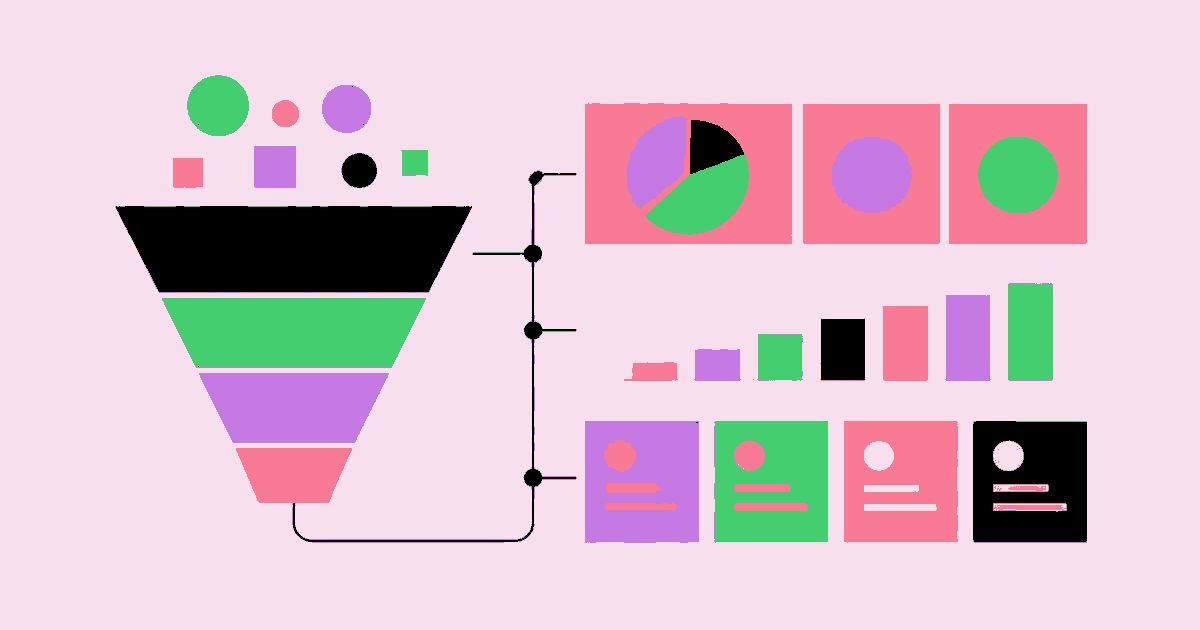
The biggest CAC wins almost always come from improving conversion rates rather than cutting ad spend. A landing page that converts at 4 percent instead of 2 percent cuts your CAC in half overnight. Audit every step of your funnel: ad creative, landing page, signup form, onboarding, and first-purchase experience. Find the weakest link and fix it before increasing traffic.
Build organic channels in parallel. SEO, content marketing, email, referrals, and partnerships often have a higher upfront time investment but a dramatically lower long-term CAC. Many mature businesses see 40 to 60 percent of new customers come from channels that cost almost nothing per lead—because the work was done months or years earlier and continues to compound.
Other proven levers include improving ad targeting with first-party data, sharpening offer-market fit, adding upsells and cross-sells to lift average order value (which improves LTV-to-CAC), launching a referral program, and using retargeting to recover visitors who almost converted. Each of these typically delivers a 10 to 30 percent CAC reduction when executed well.
Tracking CAC by Channel and Customer Type
Looking at a single blended CAC number hides the real story. Break it down by channel—Google Ads, Meta Ads, organic search, referral, email, partnerships—and by customer segment. You will almost always find that one or two channels are subsidizing the rest, and one or two customer types are dragging the average up.
Once you have channel-level CAC, double down on the most efficient channels and either fix or pause the worst. Reallocate budget every 30 to 60 days based on real performance, not gut feeling. Over a year, this disciplined reallocation alone can lower blended CAC by 20 to 40 percent without launching a single new campaign.
Frequently Asked Questions
What is a good customer acquisition cost?
A good CAC depends on your industry and lifetime value, but most healthy businesses keep CAC at one-third or less of LTV. SaaS, ecommerce, and service businesses each have different benchmarks worth researching.
How often should I calculate CAC?
Calculate it monthly at minimum, and quarterly with a deeper channel breakdown. Frequent measurement helps you catch creeping costs before they damage profitability.
Does organic traffic count toward CAC?
Indirectly. The salaries, content costs, and SEO tools used to generate organic traffic should be included. Pure organic with zero supporting investment is rare in practice.
Can I lower CAC without cutting ad spend?
Yes. Improving conversion rates, raising prices, refining targeting, and adding referral programs all lower CAC while keeping or even increasing ad budgets.
Why does my CAC fluctuate so much?
Seasonality, ad platform changes, creative fatigue, and shifts in customer mix all cause swings. Look at a rolling three-month average to see the real trend instead of monthly noise.
Conclusion
Customer acquisition cost is the heartbeat of a sustainable business. Calculate it accurately, track it relentlessly, and treat lowering it as an ongoing discipline rather than a one-time project. By improving conversion, diversifying channels, and matching CAC to lifetime value, you create a growth engine that scales profitably—and a business that can weather the inevitable rise in advertising costs without breaking a sweat.