What is Influencer Marketing and Is It Worth It for Small Businesses
Influencer marketing is the practice of partnering with content creators who already have the trust and attention of an audience you want to reach. Instead of pushing ads at strangers, you tap into a relationship the creator has spent years building. In 2025, the influencer space has matured well beyond celebrity endorsements—micro and nano creators with 1,000 to 50,000 followers often deliver better engagement and ROI than mega-accounts. For small businesses with limited budgets, this shift opens a real opportunity to compete with much larger brands. The question is no longer whether influencer marketing works, but how to use it strategically.
How WebPeak Supports Smarter Influencer Campaigns
WebPeak is a global digital agency that helps small and mid-sized businesses build full-funnel marketing strategies, including influencer outreach, content production, and social amplification. Their team identifies the right creators, drafts on-brand briefs, and integrates campaigns with your wider marketing mix so every dollar pulls more weight. Explore their Social Media Marketing service or pair it with Content Writing support to make sure your influencer activations are backed by a strong brand story. They focus on measurable outcomes, not just likes and follower counts.
How Influencer Marketing Actually Works
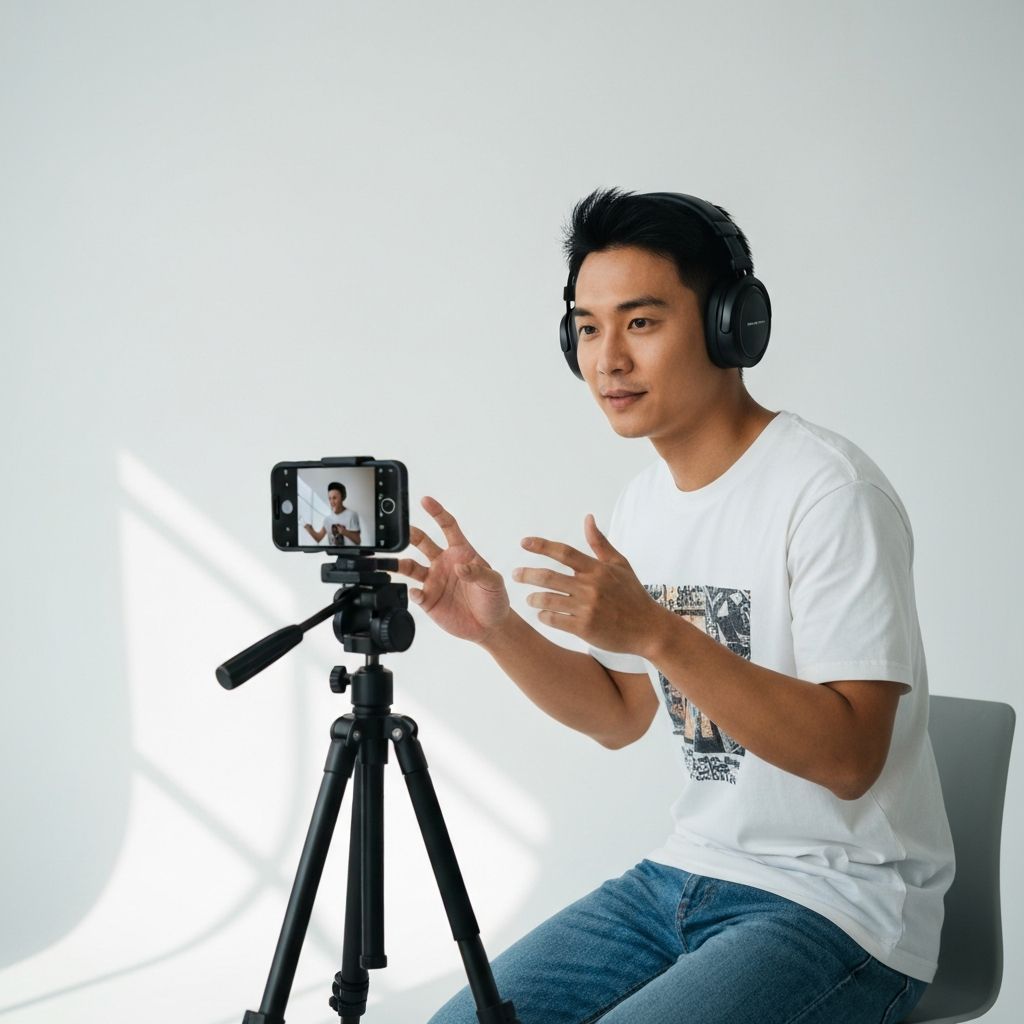
At its core, influencer marketing is a value exchange: a creator publishes content featuring your product, service, or brand in return for compensation, free product, affiliate commissions, or a mix of all three. Campaigns can take many forms—Instagram Reels, TikTok videos, YouTube reviews, LinkedIn thought-leadership posts, podcast mentions, or long-term ambassador deals. The format matters less than the alignment between the creator's audience and your ideal customer.
Successful campaigns usually include a clear creative brief, agreed deliverables, posting timelines, usage rights, and tracking links or discount codes. Without these elements, you are essentially handing money to a stranger and hoping for results.
Why Small Businesses Often Win With Micro-Influencers
Big brands chase reach, but small businesses thrive on relevance. A creator with 8,000 highly engaged followers in a niche like sustainable skincare or local fitness can drive more sales than a celebrity with two million casual fans. Micro-influencers also charge dramatically less—often $100 to $500 per post versus $10,000 and up for major accounts.
Engagement rates tell the same story. Studies consistently show that creators under 50,000 followers achieve 3 to 7 percent engagement, while accounts above one million often dip below 1 percent. For a small business, those numbers translate into real comments, real DMs, and real customers rather than passive impressions.
How to Decide if It Is Worth It for Your Business
Influencer marketing is not right for every business at every stage. It works best when you have a product or service that is visually demonstrable, emotionally resonant, or solves a specific niche problem. Lifestyle brands, beauty, fashion, food and beverage, fitness, software-as-a-service, and local services tend to perform especially well. If your offer is highly technical, regulated, or commodity-priced with razor-thin margins, influencer marketing may not be your fastest path to ROI.
Before committing, calculate a realistic break-even. If a creator costs $300 and your average order value is $80 with a 40 percent margin, you need roughly 10 sales to break even. Ask yourself honestly whether their audience size and engagement can plausibly drive that volume. If yes, run a small test. If not, find a better-fit creator.
Running a Campaign That Actually Delivers ROI
Start by defining one clear goal: brand awareness, email signups, sales, or app installs. Then build a shortlist of 10 to 20 creators whose audiences match your target customer in geography, age, interests, and buying power. Reach out personally with a short, friendly pitch that explains why you chose them specifically.
Use unique discount codes or UTM-tagged links so you can track exactly which creator drove which result. Repurpose the content—with permission—into paid social ads, email newsletters, and your own organic feeds. This often doubles or triples the value of every dollar spent. Measure cost per acquisition, engagement rate, and content reuse value, and double down on the creators who deliver.
Frequently Asked Questions
How much should a small business spend on influencer marketing?
A practical starting budget is $500 to $2,000 for a first test campaign with two to four micro-influencers. This gives you enough data to identify what works before scaling.
Do I need a contract with influencers?
Yes. Even a simple one-page agreement covering deliverables, deadlines, exclusivity, usage rights, and disclosure requirements protects both sides and keeps the campaign professional.
How do I find the right influencers?
Search relevant hashtags, study who your customers already follow, and use platforms like Aspire, Upfluence, or simple Instagram and TikTok search. Look for engagement quality, not just follower count.
Should influencers disclose paid partnerships?
Absolutely. Most countries require clear disclosure such as #ad or #sponsored. Beyond legal compliance, transparency actually builds audience trust and improves campaign performance.
How long before I see results?
Awareness lifts can show up within days, while sales typically build over two to six weeks as audiences see the brand multiple times across creators and channels.
Conclusion
Influencer marketing is absolutely worth it for small businesses—when approached with strategy, the right creator fit, and clear measurement. Skip the celebrity chase, focus on niche micro-influencers, and treat every campaign as a test you can learn from. With consistent execution, even a modest budget can build trust, drive sales, and create a content library you can use across every channel for months to come.