How to Use Google Ads to Get More Clients in 2025
Google Ads remains one of the fastest ways to put your business directly in front of people who are actively searching for what you offer. In 2025, the platform has evolved into an AI-driven ecosystem where smart bidding, broad match, and Performance Max campaigns dominate the landscape. For service-based businesses, agencies, and ecommerce brands, this means new opportunities to capture clients—but also new ways to waste money if your strategy is not dialed in. The good news is that the fundamentals still apply: target the right intent, write compelling ads, send traffic to the right page, and measure what actually matters. When all four pieces work together, Google Ads becomes a predictable client-acquisition engine.
How WebPeak Helps You Win With Google Ads
WebPeak is a full-service digital agency that helps businesses worldwide turn paid search into a measurable revenue channel. Their team builds keyword strategies, writes high-converting ad copy, designs landing pages, and manages bids so every dollar is accounted for. If you want experts to launch or scale your campaigns, explore their Google Ads service or browse the broader Digital Marketing offering on WebPeak. They focus on conversion-first campaigns rather than vanity clicks, which is exactly what most small and mid-sized businesses need in 2025.
Start With Search Intent, Not Keywords
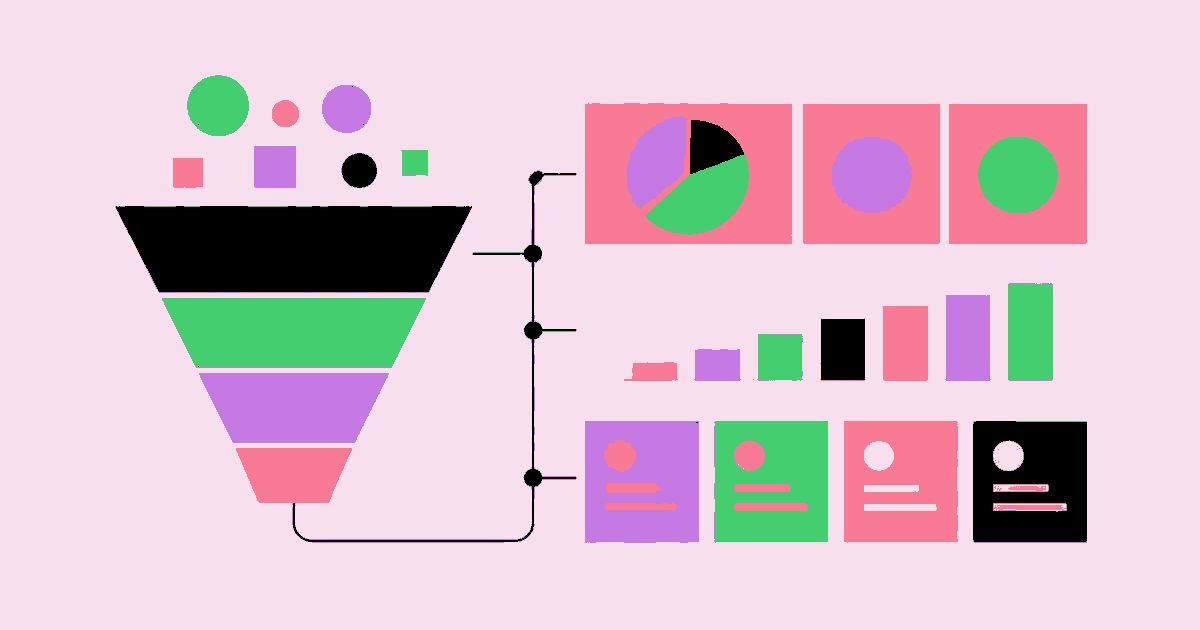
The biggest mistake advertisers still make is treating Google Ads like a keyword-stuffing game. In 2025, Google's machine learning is smart enough to expand and rephrase queries, so your job is to think in terms of intent buckets. Group your keywords into research intent ("best CRM for agencies"), comparison intent ("HubSpot vs Pipedrive"), and buying intent ("hire CRM consultant near me"). Buying intent is where new clients live, so allocate the majority of your budget there first. Reserve smaller budgets for upper-funnel terms only after your bottom-funnel campaigns are profitable.
Use exact match and phrase match for your highest-converting buyer terms, and use broad match only when paired with strong conversion tracking and value-based bidding. Negative keywords are still essential—review search term reports weekly and block irrelevant queries before they drain your budget.
Write Ads That Speak Directly to the Client You Want
Responsive Search Ads (RSAs) are now the default, which means Google mixes and matches your headlines and descriptions automatically. To win in 2025, give the algorithm strong raw material: specific outcomes, real numbers, geographic modifiers, and clear differentiators. Instead of writing "Best Marketing Agency," write "Trusted by 200+ SaaS Founders," "Book a Free 30-Min Strategy Call," or "Average 4.2x ROAS in 90 Days."
Pin one or two headlines that include your core offer or brand name so they always show. Use ad extensions aggressively—sitelinks, callouts, structured snippets, lead form extensions, and image extensions all increase real estate and click-through rate. The more relevant signals you give Google, the better the algorithm can match you to high-intent searchers.
Send Traffic to a Page Built to Convert
A great ad sending traffic to a generic homepage will lose you money in 2025. Every campaign needs a dedicated landing page that mirrors the promise of the ad. Keep the page focused on one outcome, with a clear headline, social proof, a short benefits list, and a single primary call to action. Speed matters more than ever—if your page takes longer than three seconds to load on mobile, expect bounce rates to climb and Quality Score to drop.
Also, make sure your forms ask only for what you truly need. A name, email, and one qualifying question often outperform long forms by 30 to 50 percent. For higher-ticket services, offer a calendar booking link directly on the thank-you page so prospects can self-schedule a discovery call while their interest is hot.
Measure What Actually Brings Revenue
Clicks and impressions are not the goal—qualified leads and paying clients are. Set up conversion tracking properly using Google Tag Manager and the Google Ads conversion tag, and import offline conversions from your CRM whenever possible. This lets Google's smart bidding optimize for actual revenue rather than form fills. Track cost per lead (CPL), cost per acquisition (CPA), lead-to-client conversion rate, and customer lifetime value (LTV).
Run a 14-day learning window when you launch new campaigns and resist the urge to make daily changes. Once you have meaningful data, shift to Target CPA or Target ROAS bidding to let the algorithm scale what works. Review performance weekly, refresh ad creative every 30 to 45 days, and pause anything underperforming for more than 21 days unless you have a clear reason to keep testing.
Frequently Asked Questions
How much budget do I need to start with Google Ads in 2025?
Most service businesses see meaningful data with a daily budget of $30 to $100, depending on industry competition. Start small, focus on one buying-intent campaign, and scale only after you hit a profitable cost per acquisition.
Should I use Performance Max campaigns?
Performance Max can be powerful once you have a base of conversion data, but for new accounts it is often better to start with traditional Search campaigns. PMax shines when you feed it strong creative assets and accurate conversion values.
How long until Google Ads brings in clients?
Most accounts begin generating leads within the first one to two weeks, but profitability typically takes 30 to 90 days as the algorithm learns and you optimize ad copy and landing pages.
Are broad match keywords safe to use?
Yes, broad match works well in 2025 when paired with smart bidding and a strong negative keyword list. Without those guardrails, however, broad match can quickly waste budget on irrelevant clicks.
Do I need a separate landing page for each campaign?
Ideally yes. Dedicated landing pages aligned with ad copy can improve conversion rates by 30 to 200 percent compared to sending traffic to a generic homepage.
Conclusion
Google Ads in 2025 rewards advertisers who combine sharp targeting, persuasive creative, fast landing pages, and clean data. Treat it as a system rather than a single setting, and you will turn paid search into a reliable client-acquisition channel for years to come. If you want a proven team to handle strategy, setup, and optimization for you, partner with specialists who live and breathe paid search every day.