What is Marketing Automation and How to Set It Up Without Tech Skills
Marketing automation is the use of software to handle repetitive marketing tasks—like sending emails, segmenting contacts, scoring leads, and posting on social media—so your business can grow without burning out your team. In the past, automation required developers, complex integrations, and a serious budget. In 2025, that has completely changed. Modern platforms come with drag-and-drop builders, pre-built templates, and AI assistants that translate plain English into working workflows. If you can use a spreadsheet, you can build automation that nurtures leads and closes sales while you sleep.
How WebPeak Makes Automation Simple for Non-Technical Teams
WebPeak is a worldwide digital agency that helps non-technical founders and marketing teams set up automation systems they can actually maintain. Their experts choose the right tools, design clear workflows, and connect them to your website, CRM, and ads—so the system runs reliably from day one. Learn more about their Email Marketing service or explore AI Powered Marketing Automation on WebPeak. They focus on practical, low-maintenance setups, not over-engineered systems that intimidate the people who actually need to use them.
What Marketing Automation Actually Does
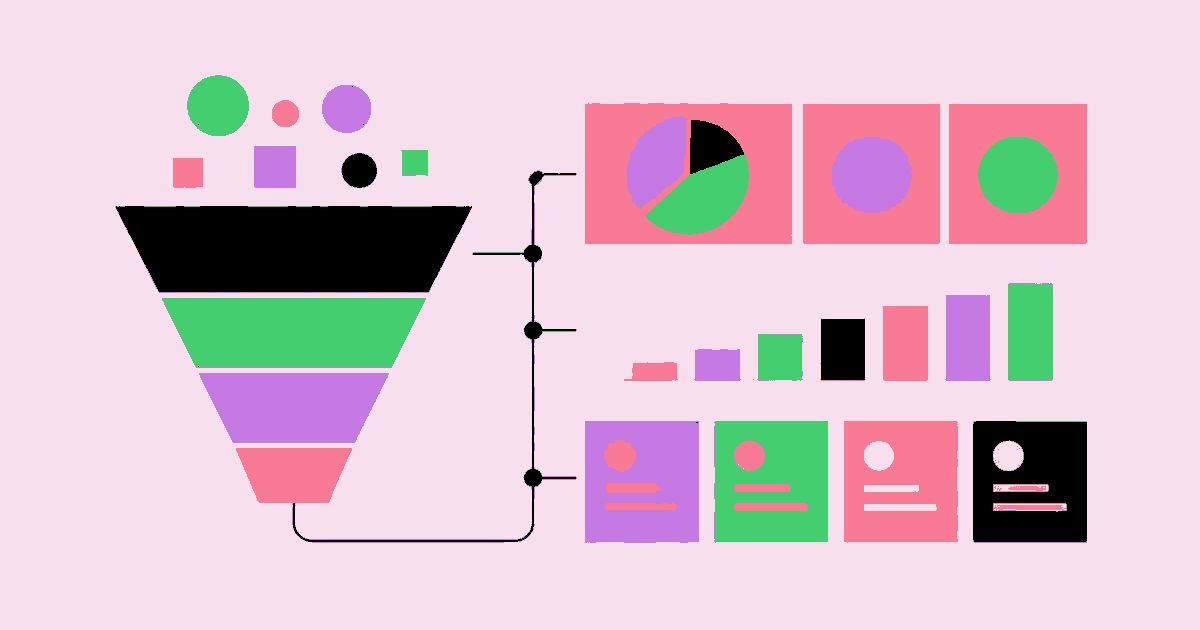
At a high level, marketing automation handles three jobs: capturing leads, nurturing them, and handing the warm ones off to sales. A new visitor signs up for a free guide on your website. The system automatically sends a welcome email, tags them based on the topic, drips a five-email educational sequence over two weeks, and then alerts a salesperson the moment they click on a pricing page. Without automation, your team would have to do all of this manually—if it happened at all.
Beyond email, automation can post on social media, send SMS reminders, trigger Facebook custom audiences, update your CRM, generate proposals, and even send physical mail. The point is to free human attention for high-value work like strategy, creative, and personal selling.
Choosing the Right Tools Without Overwhelm
The biggest barrier for non-technical users is tool overload. There are hundreds of platforms, and every blog post seems to recommend a different one. Keep it simple. For most small businesses, a single all-in-one tool like Brevo, MailerLite, ActiveCampaign, HubSpot Starter, or GoHighLevel handles 90 percent of what you need: email, forms, landing pages, CRM, and basic automation. Add Zapier or Make later only if you need to connect tools that do not natively integrate.
When evaluating tools, prioritize three things: a clean visual workflow builder, ready-made templates, and responsive support. Avoid platforms that require custom code, complex API setups, or a dedicated administrator. The best tool is the one you will actually open every week.
Building Your First Workflow Step by Step
Start with one workflow that delivers obvious value—usually a welcome sequence for new email subscribers. The setup looks like this: create a signup form on your website, connect it to your email tool, design a five-email sequence delivered over two weeks, and add a tag that identifies which lead magnet they downloaded. Total setup time, including writing the emails, is typically four to six hours.
Once that runs, layer in a second workflow: an abandoned-cart sequence for ecommerce, a discovery-call follow-up for services, or a re-engagement campaign for inactive subscribers. Add one workflow per month. Within six months, you will have a system that handles thousands of customer touchpoints automatically and consistently.
Avoiding the Most Common Mistakes
The number-one mistake is automating before you have a working manual process. If you do not know what to say in a sales follow-up, automating it will not help. Write the messages by hand first, see what works, then plug it into a workflow. The second mistake is over-personalization that creeps people out—knowing someone's first name is fine, referencing pages they viewed five seconds ago can feel invasive.
Other common pitfalls include skipping testing (always send test emails to yourself), forgetting to suppress active customers from prospecting flows, and never reviewing performance. Schedule a 30-minute review every month to check open rates, click rates, and conversions, and prune workflows that no longer serve you.
Frequently Asked Questions
Do I need to know how to code to use marketing automation?
No. Modern platforms are designed for non-technical users with visual builders and templates. Most workflows can be set up in a few hours without writing a single line of code.
How much does marketing automation cost?
Plans start around $15 to $50 per month for small lists and can scale to several hundred dollars as your contact base grows. Most businesses recoup the cost within the first quarter.
What is the easiest workflow to start with?
A welcome email sequence for new subscribers is the most popular starting point. It is simple to build, delivers immediate value, and almost always lifts engagement and sales.
Can I automate social media too?
Yes. Tools like Buffer, Later, and Metricool let you schedule and recycle posts across platforms automatically. Many marketing automation suites include native social scheduling as well.
How do I keep emails out of the spam folder?
Use a verified sending domain, set up SPF, DKIM, and DMARC records, warm up new domains gradually, and clean inactive subscribers regularly to maintain a strong sender reputation.
Conclusion
Marketing automation is no longer a luxury reserved for tech-savvy teams. With today's tools, any small business can build workflows that capture leads, nurture relationships, and drive revenue around the clock. Start with one simple workflow, measure the results, and add new automations as you grow. The goal is not to remove the human touch—it is to free your humans to focus on the work that actually requires them.