What is Customer Lifetime Value and Why It Matters for Marketers
Marketing teams have never had access to more data, yet many still focus heavily on short-term metrics like cost per click or first-purchase revenue. While those numbers matter, they often hide a deeper truth: not every customer is equally valuable. Some buyers purchase once and disappear, while others stay loyal for years, refer friends, and spend significantly more over time. Customer Lifetime Value, often abbreviated as CLV or CLTV, is the metric that captures this difference and reveals the true economics of customer acquisition.
Understanding CLV transforms how marketers plan campaigns, allocate budgets, and prioritize segments. It also bridges the gap between marketing, sales, and customer success by aligning everyone around the long-term health of the business. In this article, we will explore what CLV is, how to calculate it, why it matters, and how to grow it through smarter marketing strategies.
How WebPeak Helps Brands Maximize Customer Lifetime Value
Improving CLV requires a coordinated approach that touches data, content, automation, and customer experience. WebPeak is a full-service digital agency that helps businesses worldwide build the infrastructure and creative needed to keep customers engaged long after the first purchase. Their email marketing services support retention and reactivation campaigns, while their predictive analytics capabilities help identify high-value segments worth nurturing. Explore the full range of services at WebPeak.
Understanding Customer Lifetime Value
At its core, Customer Lifetime Value is the total revenue a business can expect to earn from a single customer throughout their relationship with the brand. It can be measured in gross revenue, gross profit, or contribution margin, depending on what level of insight you need. CLV factors in average order value, purchase frequency, and customer lifespan, providing a holistic view of how valuable each customer truly is.
Two customers may produce the same revenue in their first month yet have wildly different long-term values. One might churn after a single transaction, while the other becomes a loyal advocate generating repeat purchases for years. Without CLV, marketing teams cannot accurately distinguish between these two outcomes, which leads to wasted budget on campaigns that attract the wrong audience.
How to Calculate CLV
The simplest CLV formula multiplies average order value by purchase frequency by average customer lifespan. For example, if a customer typically spends 80 dollars per order, buys four times a year, and remains a customer for three years, their CLV would be 960 dollars. More advanced models incorporate gross margin, discount rates, and predictive modeling to refine the estimate.
For subscription businesses, CLV is often calculated as average revenue per user multiplied by average customer lifespan, with churn rate factored in. The exact method matters less than choosing a consistent approach you can track over time. CLV is most powerful when monitored as a trend, not a single snapshot.
Why CLV Matters for Marketing Decisions
Customer Lifetime Value is the counterpart to Customer Acquisition Cost (CAC). The healthiest businesses have a strong CLV to CAC ratio, often around 3:1 or higher. This means that for every dollar spent acquiring a customer, the business expects to earn three or more dollars over the relationship. Without this insight, marketers may either underspend on profitable channels or overspend on channels that look efficient but bring low-value customers.
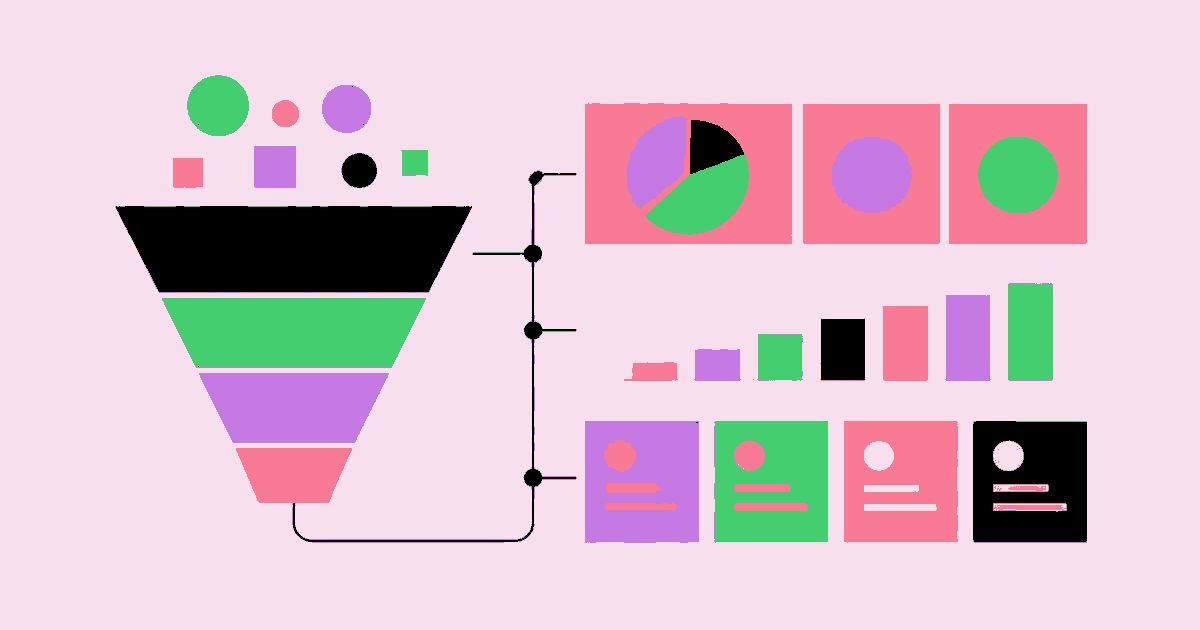
CLV also informs segmentation. By identifying high-CLV segments, marketers can build lookalike audiences, prioritize retention campaigns, and design loyalty programs that protect their most profitable relationships. It shifts the conversation from chasing transactions to building relationships, which is where modern brands win.
Strategies to Increase Customer Lifetime Value
The good news is that CLV is highly improvable. The first lever is increasing average order value through bundles, upsells, cross-sells, and tiered pricing. Even small increases in basket size compound dramatically when multiplied across the customer base over time. Personalized recommendations powered by purchase history significantly boost AOV without feeling pushy.
The second lever is increasing purchase frequency. Loyalty programs, subscription options, replenishment reminders, and well-timed email campaigns encourage customers to return more often. The third lever is extending customer lifespan, which depends on customer success, post-purchase content, and proactive support. Reducing churn by even a few percentage points can add years of revenue per customer and dramatically increase CLV.
Frequently Asked Questions
What is a good CLV to CAC ratio?
Most healthy businesses aim for a CLV to CAC ratio of around 3:1, meaning each customer earns three times what it cost to acquire them. Lower ratios may indicate inefficient marketing, while much higher ratios may suggest underinvestment in growth.
How often should I recalculate CLV?
CLV should be recalculated at least quarterly, and ideally monthly for fast-moving businesses. Updating it regularly helps you spot trends in retention, AOV, and churn before they affect your bottom line.
Can small businesses calculate CLV?
Yes. Even small businesses with limited data can use simple formulas to approximate CLV. The exercise itself often surfaces valuable insights about which customer types are worth pursuing more aggressively.
Does CLV apply to ecommerce only?
No. CLV is just as important for SaaS, services, agencies, and B2B companies. Wherever customers can return, refer, or expand, CLV is a meaningful metric.
What tools can help track CLV?
Platforms like Shopify, HubSpot, Klaviyo, and Salesforce offer CLV reporting features. For more advanced analysis, tools like Looker, Tableau, or custom dashboards built on warehouses like BigQuery work well.
Conclusion
Customer Lifetime Value is far more than a finance metric. It is one of the most strategic tools available to modern marketers, capable of guiding budget allocation, segmentation, retention, and creative direction. By understanding CLV, calculating it consistently, and designing campaigns that intentionally grow it, marketing teams move from short-term tactics to long-term business building, ensuring every dollar spent today contributes to sustainable growth tomorrow.