What is a Wireframe and How Designers Use It Before Building
Every great website, app, or digital product starts the same way — not with pixel-perfect colors or flashy animations, but with simple boxes, lines, and labels arranged on a blank canvas. This blueprint stage is called wireframing, and it is one of the most underestimated yet critical parts of the design process. Skipping it is like building a house without a floor plan: you might end up with something standing, but the structure will be flawed, expensive to fix, and disappointing to use. Wireframes give teams a shared, low-cost playground to debate ideas, test logic, and align on direction before a single high-fidelity pixel is placed.
How WebPeak Builds Smarter Products With Strategic Wireframing
The team at WebPeak integrates wireframing into the very first phase of every web and app project. By starting with structured wireframes, they help clients clarify their goals, validate user flows, and catch issues early — long before development costs ramp up. Their web development and design teams use wireframes as the foundation for everything from simple landing pages to complex SaaS dashboards, ensuring that the final product is intuitive, conversion-friendly, and built right the first time.
What a Wireframe Actually Is
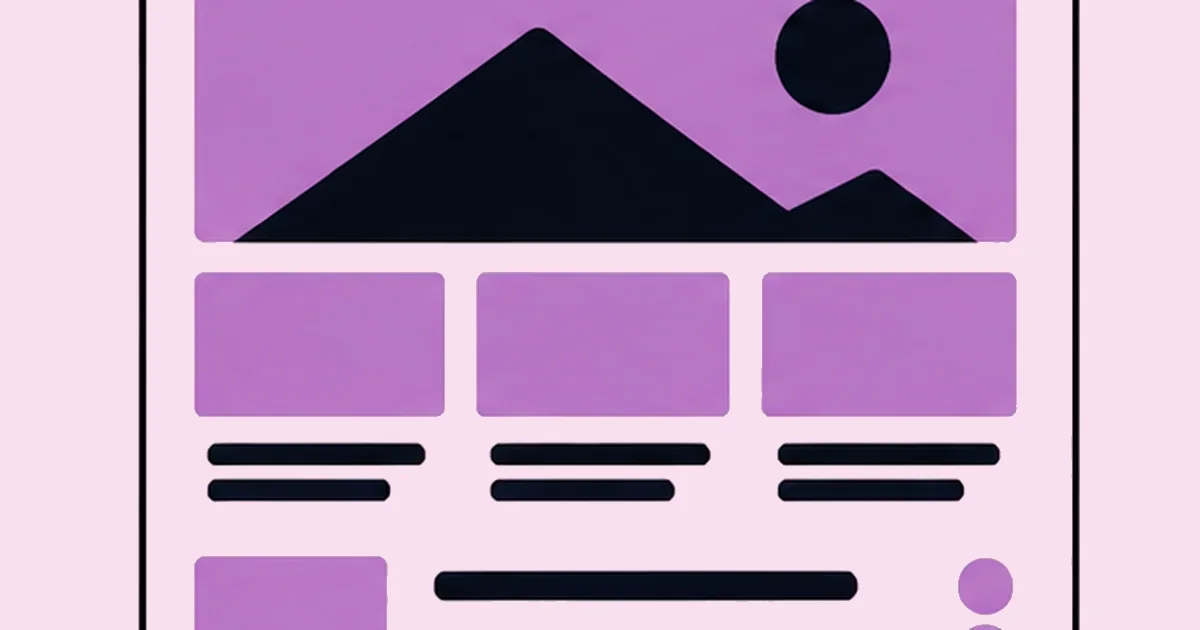
A wireframe is a simplified, low-fidelity visual representation of a digital interface. It uses basic shapes, placeholder text, and grayscale colors to outline structure, content, and functionality without distracting visual details like fonts, brand colors, or imagery. Think of it as the architectural blueprint of a webpage or screen — every element is mapped, but nothing is decorated.
Wireframes can range from quick hand-drawn sketches on paper or whiteboards to digital low-fidelity layouts created in tools like Figma, Balsamiq, or Sketch. Some teams add a layer of interactivity to create clickable wireframes, allowing stakeholders to navigate flows just like a real product. Regardless of the medium, the goal is always the same: communicate structure quickly and cheaply.
Why Designers Wireframe Before Building
Wireframing forces clarity. When you remove color, typography, and imagery, the only thing left is logic — what content goes where, how users navigate, and whether the layout supports the goal. This makes wireframes the perfect tool for solving problems early, when changes cost minutes instead of weeks.
It also saves enormous amounts of money. Studies suggest that fixing a usability issue post-launch costs up to 100 times more than fixing it in the wireframe stage. By catching issues early, teams avoid expensive development rework, missed deadlines, and unhappy users. Wireframing also dramatically improves stakeholder alignment — clients, designers, developers, and marketers can all weigh in before opinions get tangled in subjective debates about colors and fonts.
The Three Levels of Wireframe Fidelity
Low-fidelity wireframes are the fastest and cheapest. They use basic shapes, lorem ipsum text, and rough labels to focus purely on layout and information hierarchy. They are perfect for early ideation, brainstorming, and exploring multiple options without commitment.
Mid-fidelity wireframes add more accurate spacing, real placeholder content, and clearer typography hierarchy. They are useful for stakeholder presentations and developer estimation. High-fidelity wireframes approach the look of the final design, with more detailed components, real content, and sometimes even basic styling. They serve as a bridge between wireframing and full UI design, often blending into prototypes that test interactions and animations. Strong wireframes also support better website copywriting by clarifying exactly where copy is needed and how much space it has.
How to Wireframe Effectively
Start with the user, not the screen. Map the journey: what is the user trying to accomplish, and what are the steps to get there? Sketch the most important screens first — typically the homepage, conversion landing page, and any critical workflow steps. Use real content where possible; lorem ipsum hides important hierarchy decisions.
Keep wireframes intentionally rough. The temptation to start polishing fonts and colors will derail the process and turn it into UI design. Annotate your wireframes with notes explaining functionality, edge cases, and dynamic states. Share early and often — wireframes are meant to be torn apart and rebuilt, not protected. The more rapid feedback cycles you run at this stage, the stronger your final design will be.
Frequently Asked Questions
What is the difference between a wireframe and a mockup?
A wireframe is a low-fidelity blueprint focused on structure and layout, while a mockup is a high-fidelity visual representation that includes colors, typography, imagery, and styling.
Do I need to wireframe small projects?
Yes, even small projects benefit from at least a rough wireframe. It takes very little time and prevents costly missteps during development, regardless of project size.
What tools are best for creating wireframes?
Popular tools include Figma, Balsamiq, Sketch, Adobe XD, and Whimsical. For early ideation, even pen and paper or a whiteboard work perfectly well.
How long does the wireframing process take?
For a simple website, wireframing can take 1–3 days. For complex apps or platforms, it may take 1–2 weeks, including feedback rounds and revisions.
Should developers be involved in wireframing?
Yes. Including developers early surfaces technical constraints, prevents designs that cannot be built efficiently, and creates shared understanding between teams.
Conclusion
Wireframing is one of the highest-leverage activities in any digital project. It clarifies thinking, aligns stakeholders, exposes flaws, and saves enormous amounts of time and money — all before a single line of code is written or pixel is polished. Whether you are designing a new app, redesigning a website, or building an internal tool, investing in proper wireframes is one of the smartest decisions you can make. Skip the temptation to jump straight into pretty visuals; build the skeleton first, and everything that follows will be stronger, faster, and more user-friendly.