How to Create a Digital Marketing Strategy From Scratch in 2025
A digital marketing strategy is the master plan that aligns your brand’s goals, audience, channels, content, and budget into one coherent system. Without it, businesses end up running random campaigns, posting on social media without direction, and burning ad budgets with little to show for it. With a clear strategy, every dollar and every hour drives measurable progress toward revenue. In 2025, with AI tools, privacy-first analytics, and shifting consumer behavior, building a strategy from scratch is both more important and more achievable than ever. This guide will walk you step by step through creating a complete digital marketing strategy that works whether you are a startup founder, a small business owner, or a marketing manager taking over a brand.
Why Brands Trust WebPeak for Strategy and Execution
Building a strategy is only half the battle — executing it consistently is what separates winners from the rest. WebPeak partners with brands worldwide to design data-driven roadmaps and bring them to life across every channel. Their digital marketing consultancy helps founders define goals, target the right audience, and choose the right mix of paid and organic channels. With AI-powered execution through services like AI marketing automation, WebPeak ensures strategies don’t just look good on paper — they deliver measurable growth.
Step 1: Define Goals and Understand Your Audience
Every great strategy begins with sharp goals. Use the SMART framework — Specific, Measurable, Achievable, Relevant, Time-bound — to set objectives such as “generate 200 qualified leads per month within six months” or “increase organic traffic by 50% by Q4.” Vague goals like “grow on social media” lead to vague results.
Next, build detailed buyer personas. Go beyond demographics and capture psychographics: what your customers fear, desire, search for, and trust. Conduct interviews with current customers, analyze reviews of competitors, and use tools like Google Trends, AnswerThePublic, and Reddit to understand the language your audience uses. The clearer your persona, the easier every later decision becomes — from ad creative to landing page copy.
Step 2: Audit Your Current Presence and Competitors
You cannot improve what you do not measure. Run a full audit of your existing assets: website performance, SEO rankings, social media engagement, email list health, and ad account history. Identify what is working, what is broken, and where the biggest opportunities sit. Tools like Google Analytics 4, Google Search Console, Ahrefs, and SEMrush make this fast.
Then study your competitors. Look at the keywords they rank for, the ads they run, the content they publish, and the offers they promote. You are not copying — you are spotting gaps. If three competitors all publish the same surface-level guides, you can win by creating one definitive resource. If they all ignore TikTok, you may have an entire channel to yourself.
Step 3: Choose the Right Channels and Build a Content Engine
You do not need to be on every platform — you need to be excellent on the right ones. Match channels to your audience and offer. B2B SaaS often wins on LinkedIn, SEO, and email. Local services thrive on Google Business Profile, Maps, and Google Ads. DTC brands explode through Instagram, TikTok, and influencer collaborations. Pick two primary channels and one experimental channel rather than spreading thin.
Then design a content engine. Plan pillar content (long-form blogs, YouTube videos, podcasts) and chop it into atomic content for social. Build an editorial calendar covering search-intent keywords, thought leadership, and product-led posts. Repurpose ruthlessly: one webinar can become five blog posts, twenty social clips, and one email sequence. Modern AI tools accelerate research, drafting, and image generation, but human editing keeps quality high.
Step 4: Set Budgets, KPIs, and a 90-Day Execution Plan
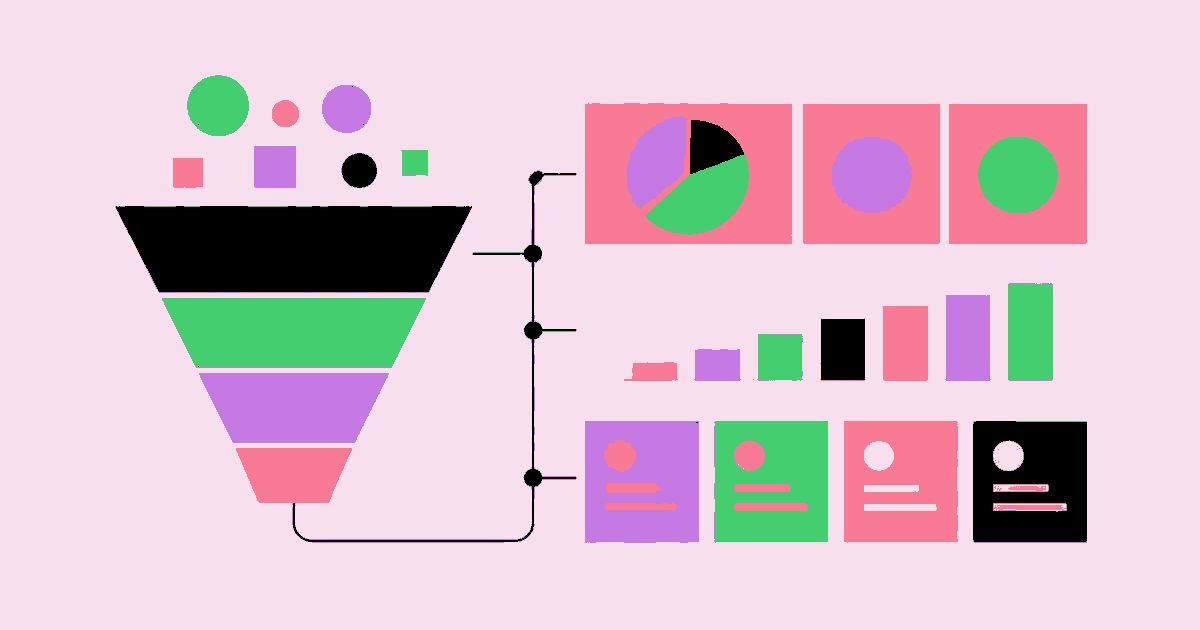
Allocate budget across channels based on expected ROI and stage of funnel. Reserve roughly 70% for proven channels, 20% for scaling promising ones, and 10% for experiments. Define KPIs for each stage: traffic, leads, MQLs, SQLs, conversions, AOV, LTV, and CAC. Build a single dashboard — using Looker Studio, GA4, or HubSpot — so leadership can see performance at a glance.
Translate the strategy into a 90-day rolling plan with weekly sprints. Each sprint should ship something measurable: a new landing page, an ad campaign, an SEO cluster, an email automation. Review every two weeks, kill underperformers fast, and double down on winners. Strategy is not a static document — it is a living system that evolves with data.
Frequently Asked Questions
How long does it take to build a digital marketing strategy?
A focused strategy can be drafted in two to four weeks, depending on the depth of audits and persona research. Implementation, however, is ongoing and should be revisited quarterly to stay aligned with market changes.
Should I use AI tools in my 2025 strategy?
Yes, AI is now essential for research, content drafting, ad creative variations, and analytics. Use it as a force multiplier, but always pair AI output with human judgment to maintain quality and brand voice.
How much budget do I need to start?
You can start with as little as $500–$1,000 per month for paid ads plus tooling, especially if you also invest time in organic SEO and content. As you validate channels, scale spend toward the highest-ROI campaigns.
How often should I update my strategy?
Review KPIs every two weeks, refine tactics monthly, and revisit the overall strategy every quarter. Major pivots — new product lines, new markets — warrant a full strategy refresh.
What is the biggest mistake when starting a strategy?
The biggest mistake is skipping audience research and jumping straight into tactics. Without deep customer understanding, even the best ad creative or SEO content will fail to convert at a profitable rate.
Conclusion
A digital marketing strategy in 2025 is less about following trends and more about building a disciplined, data-driven system that compounds over time. Define sharp goals, know your audience deeper than your competitors do, pick the right channels, build a sustainable content engine, and review performance relentlessly. With this foundation, every campaign you launch becomes a step in a clear direction rather than a coin toss — and your brand grows predictably, year after year.