What is Account-Based Marketing and How Agencies Use It
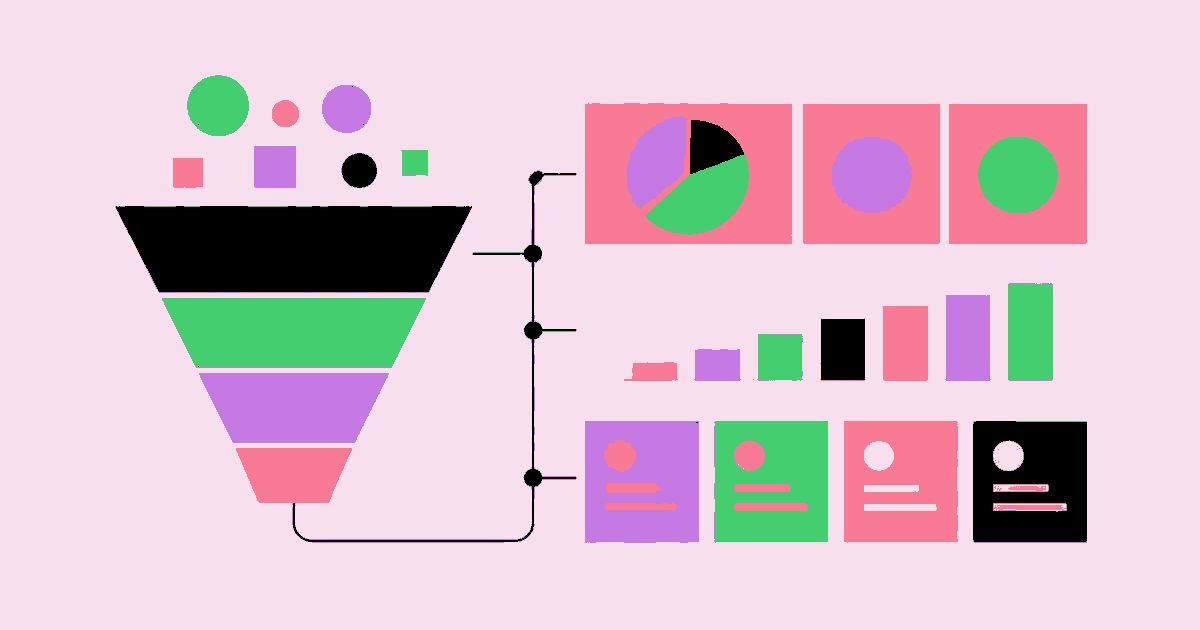
Account-Based Marketing, or ABM, flips the traditional marketing funnel on its head. Instead of casting a wide net, generating thousands of leads, and hoping a small percentage convert, ABM identifies a focused list of high-value target accounts and runs deeply personalized campaigns aimed at those specific companies. For agencies and B2B brands chasing six and seven-figure contracts, this approach is dramatically more efficient. In 2025, ABM has become the default playbook for premium agencies that would rather close ten dream clients a year than chase a thousand small ones.
How WebPeak Helps Agencies Run High-Impact ABM Campaigns
WebPeak is a global digital agency that helps B2B teams design and execute ABM strategies built around real account data. Their experts blend research, content production, paid media, and creative outreach so every target account experiences a coordinated, personalized journey. Explore their Competitor Website Analysis service to map the landscape, or use their Social Media Management service to keep target accounts engaged across LinkedIn, X, and beyond. They focus on landing the accounts that actually move the business, not just filling the top of the funnel.
How ABM Differs From Traditional Marketing
Traditional B2B marketing is built on volume. The marketing team generates thousands of MQLs, sales qualifies a fraction, and a smaller fraction become customers. ABM is built on precision. The team starts with a list of 20 to 200 named accounts that fit a tight ideal customer profile (ICP), and every campaign asset is engineered for those specific companies—sometimes for specific people inside those companies.
Where traditional marketing measures success in lead volume and cost per lead, ABM measures success in target account engagement, opportunity creation, and pipeline value within the named list. It is a slower, deeper game that produces fewer but far larger wins.
Why Agencies Are Adopting ABM Quickly
Agencies sit in a sweet spot for ABM. Their average client value is high, their sales cycles are long, and their ideal customers are typically known by name—a Fortune 1000 brand, a Series B SaaS company, a major ecommerce retailer. Spending $500 to deeply research and target one of those accounts is trivial compared to a potential $100,000 retainer.
ABM also raises agency positioning. Generic agencies pitch services. ABM agencies show up with a custom strategy, branded landing page, and personalized video for the target account before the first meeting. That level of preparation signals expertise and dramatically improves close rates—often by 2 to 3x compared to standard outbound.
Building Your ABM Program Step by Step
Start by defining a sharp ICP: industry, company size, geography, tech stack, growth stage, and the specific business pains your service solves. From this profile, build a tiered list. Tier 1 contains 20 to 50 dream accounts that get fully customized campaigns. Tier 2 contains 100 to 300 strong-fit accounts that get lighter personalization. Tier 3 contains a broader programmatic layer.
For each Tier 1 account, research the company deeply: recent news, hiring patterns, leadership changes, public goals, and current vendors. Identify the buying committee—usually 4 to 7 people including economic buyer, champion, and end users. Then create a multi-touch campaign across LinkedIn, email, paid ads, direct mail, and personalized landing pages. The goal is to surround the account with relevant, helpful touchpoints over 4 to 12 weeks until a real conversation begins.
Measuring ABM Success the Right Way
Standard marketing dashboards do not tell the ABM story. Instead of leads, track engagement and pipeline within named accounts. Key metrics include account engagement score (a composite of website visits, content downloads, ad interactions, and social engagement), opportunities created from the target list, average deal size from ABM versus non-ABM accounts, and sales cycle length.
Most teams running ABM well see a 30 to 50 percent shorter sales cycle, 25 to 40 percent larger deals, and significantly higher win rates compared to inbound channels. The catch is that these results take 60 to 180 days to materialize. ABM is a quarterly and annual game, not a weekly one.
Frequently Asked Questions
How many accounts should I target with ABM?
Most successful agency programs start with 20 to 50 Tier 1 accounts. Going wider too early dilutes personalization, which is the entire advantage of ABM.
Do I need expensive ABM software to get started?
No. Many agencies launch successful ABM programs using LinkedIn Sales Navigator, a CRM, an email tool, and a project management board. Specialized platforms help at scale but are not required initially.
How long does ABM take to show results?
Initial engagement typically appears within 30 days, qualified meetings within 60 to 90 days, and closed-won deals within 90 to 180 days depending on sales cycle length.
Can small agencies run ABM?
Yes. In fact, smaller agencies often run ABM better because they can deeply personalize for each account. Limited capacity forces useful focus.
Should ABM replace all other marketing?
No. The strongest agencies combine ABM with content marketing and SEO to attract inbound interest while ABM closes the highest-value opportunities. The two strategies reinforce each other.
Conclusion
Account-based marketing is the most efficient way for agencies to close high-value clients in 2025. Skip the volume game, choose your dream accounts carefully, and surround them with research-driven, personalized campaigns that prove your expertise before the first call. Done well, ABM does not just generate revenue—it transforms an agency's reputation, pricing power, and the kind of clients it gets to work with for years to come.