Can Teachers Follow Students on Social Media
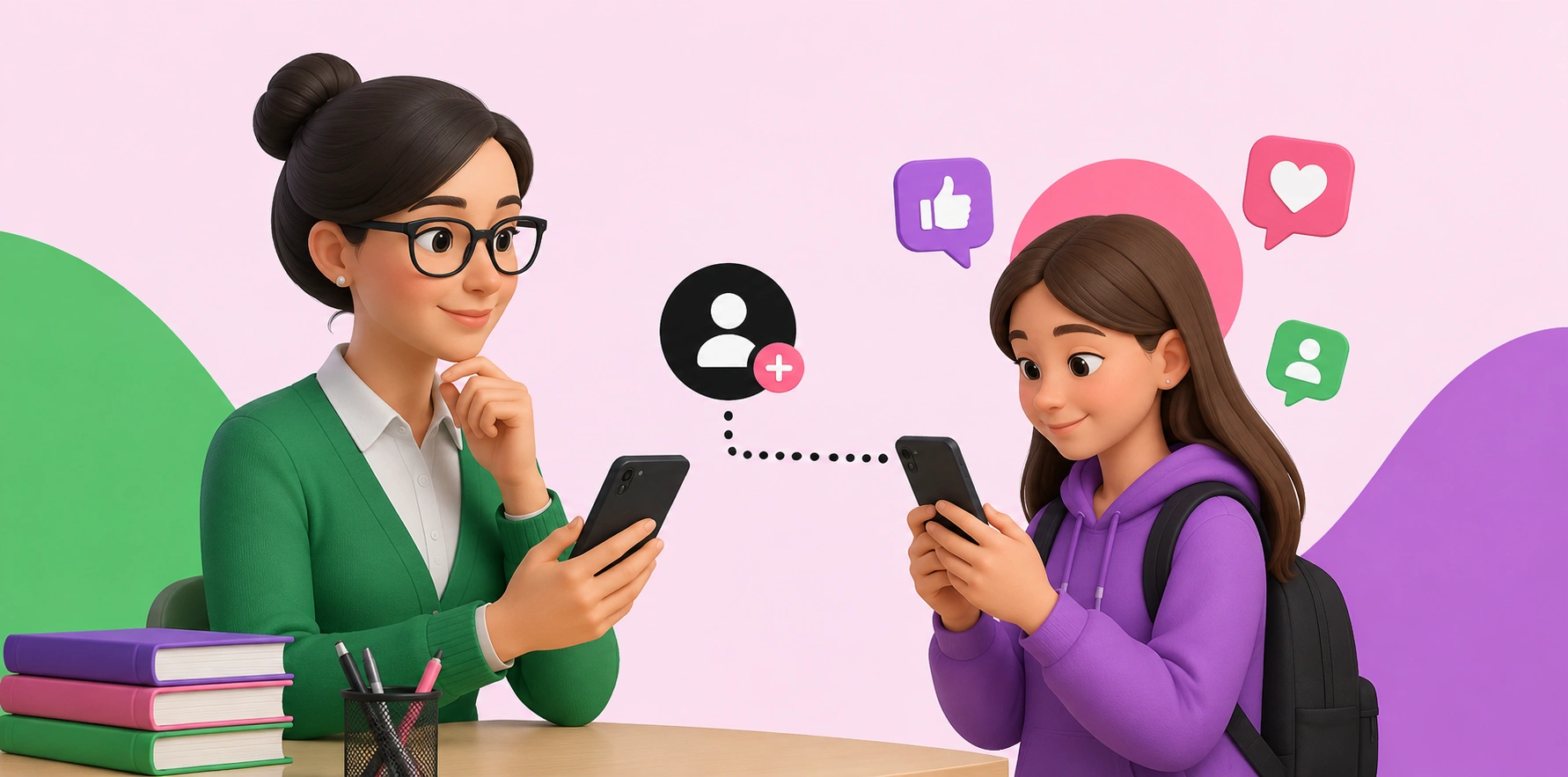
Following on social media means connecting with another user's account to see their posts and updates, creating a visible personal link between two people. When it comes to teachers following students, the answer is that most school districts strongly discourage or explicitly prohibit personal social media connections between educators and current students. While not always illegal, these connections raise serious professional-boundary, safety, and liability concerns. Policies vary by district, country, and platform, and many schools distinguish between personal accounts and official, monitored classroom accounts. Understanding these rules matters because a single boundary violation can jeopardize a teacher's career and a student's safety.
Quick Answer: In most cases, teachers should not follow current students on personal social media. Many school districts prohibit or discourage it to protect professional boundaries and student safety. Official, school-approved educational accounts are the recommended way for teachers to interact with students online.
How WebPeak Helps Schools Build Safe Digital Communication Channels
Schools that want compliant, safe ways for staff and students to interact online need purpose-built platforms. WebPeak, a worldwide digital agency, helps educational institutions through their web application development services, building secure, monitored communication portals and learning platforms that keep interactions transparent and appropriate. Their content writing services can also develop clear digital-conduct policies and acceptable-use guidelines, giving teachers and administrators a documented framework that protects both educators and students.
Why Do Schools Restrict Teacher-Student Social Media Connections?
Schools restrict these connections primarily to preserve professional boundaries and protect students. A professional boundary is the clear separation between an educator's authority role and a personal relationship, and social media blurs it by mixing private and professional identities. Personal following gives teachers access to students' private lives and vice versa, creating opportunities for inappropriate contact, favoritism, or misinterpretation. It also exposes teachers to liability if private messages or posts are later scrutinized. Most districts therefore require that any online interaction happen through official, monitored channels visible to administrators and parents. This transparency is the core principle: communication should never happen in a private space where no oversight exists.
The core principle underpinning nearly every school policy is transparency: any communication between a teacher and a student should be able to withstand public scrutiny. A private direct message on a personal account fails this test because there is no record, no supervision, and no institutional visibility if something goes wrong. This is not a statement about any individual teacher's intentions; it is a structural safeguard that protects good teachers from false accusations just as much as it protects students from misconduct. When communication happens on approved, logged school platforms, both parties have a verifiable record, which removes the ambiguity that private channels create. Understanding this transparency principle explains almost every specific rule that follows, from banning private messages to discouraging personal-account follows.
What Are the Recommended Rules for Teachers on Social Media?
Educators can stay safe and professional by following clear best practices. Here are the widely recommended rules:
- Use official accounts only: Interact with students through school-approved, monitored class pages, not personal profiles.
- Avoid following current students: Do not send or accept personal follow or friend requests from current students.
- Keep communication transparent: Ensure parents and administrators can see any student interaction.
- Set personal accounts to private: Separate your professional and personal online presence.
- Wait after graduation: Many districts advise waiting until students are no longer enrolled, and are adults, before any personal connection.
These practices protect the educator's career while keeping student interactions safe and appropriate.
A frequently overlooked rule concerns the teacher's own personal content, separate from any direct interaction with students. Even a strictly private personal account can create problems if students or parents view posts through mutual connections or screenshots. Educators are widely advised to assume that anything they post could eventually be seen by their school community and to avoid content involving alcohol, controversial political confrontation, or anything that undermines their professional standing. This is not about surrendering a personal life; it is about recognizing that teachers hold a position of public trust. Maintaining a clear separation, using tight privacy settings, a professional display name, and careful judgment about what gets posted at all, protects an educator's reputation without requiring them to abandon social media entirely.
How Do Personal and Official Social Media Use Compare for Teachers?
The distinction between personal and official social media use determines what is appropriate. This table clarifies the differences.
| Factor | Personal Account Following | Official School Account |
|---|---|---|
| Oversight | None, private and unmonitored | Visible to admins and parents |
| Purpose | Personal social connection | Educational communication |
| Risk level | High, boundary and liability risk | Low, transparent and documented |
| District stance | Usually discouraged or banned | Encouraged when policy-compliant |
What Do Policies and Data Say About This Issue?
Policies and research consistently favor strict boundaries. According to the National Education Association (NEA), many U.S. school districts have adopted social media policies advising teachers against personal online connections with current students. A study referenced by education researchers found that a significant share of educators have faced scrutiny or discipline over social media conduct. Professional bodies like the National Association of State Boards of Education emphasize transparency as the guiding rule. From reviewing district policies, the consistent theme is that intent does not matter as much as perception, even an innocent follow can be misread. The original insight worth stressing: the safest path is not deciding case by case, but adopting a blanket personal-boundary rule, which removes ambiguity and protects everyone involved.
The clearest trend across districts is a shift away from vague, judgment-based guidance toward explicit, platform-specific rules. Older policies that simply told teachers to "use good judgment" proved unworkable because they left individual educators to guess where the line was, often learning only after a complaint. Modern policies instead name the approved tools, prohibit specific behaviors like private messaging on personal accounts, and spell out consequences. This clarity benefits everyone: teachers know exactly what is expected, administrators can enforce rules consistently, and students and parents understand the boundaries. The most effective districts pair these written rules with annual training and real examples, turning an abstract policy into practical habits that educators can apply confidently in the moment.
There is also a positive dimension that strict policies sometimes obscure: social media, used within clear boundaries, can genuinely enhance education. Teachers who run a monitored class account, share resources on a professional page, or use approved platforms to post reminders and celebrate student achievements build engagement and community. The goal of good policy is not to eliminate these benefits but to channel them through transparent, appropriate means. The healthiest school cultures frame social media guidelines not as a list of prohibitions but as a professional framework that lets educators harness technology's advantages while safeguarding the trust that underpins every teacher-student relationship. Approached this way, boundaries become an enabler of good teaching rather than an obstacle to it.
Key Takeaways
- Most school districts discourage or prohibit teachers from following current students on personal social media.
- The core concern is protecting professional boundaries and ensuring all interaction remains transparent and monitored.
- Official, school-approved accounts are the recommended channel for teacher-student online communication.
- Many districts advise waiting until students graduate and are adults before any personal connection.
- A blanket personal-boundary rule is safer than case-by-case decisions because perception matters as much as intent.
Frequently Asked Questions
Is it illegal for teachers to follow students on social media?
It is usually not illegal, but it often violates school district policies and professional codes of conduct. Consequences typically involve disciplinary action rather than criminal charges, unless the interaction involves inappropriate content or contact, which can carry serious legal penalties.
Can teachers follow students after they graduate?
Many districts advise waiting until former students have graduated and are legal adults before forming any personal social media connection. Even then, some professional guidelines recommend caution, so teachers should check their district's specific policy before following former students.
Can teachers use social media to communicate with their class?
Yes, but through official, school-approved and monitored accounts rather than personal profiles. Dedicated class pages or educational platforms allow transparent communication that parents and administrators can oversee, keeping interactions professional and compliant with district policies.
What happens if a teacher follows a student online?
Consequences depend on district policy but can include warnings, mandatory training, or disciplinary action. Because such connections raise boundary and safety concerns, administrators take them seriously even when the intent is innocent, so teachers should avoid personal connections with current students.
Should teachers keep their personal social media private?
Yes, teachers should set personal accounts to private and separate them from professional activity. Keeping a clear line between personal and professional online presence reduces the risk of boundary issues, protects the teacher's privacy, and helps maintain appropriate relationships with students.
Conclusion
The clearest guidance is to keep a firm boundary: teachers should avoid following current students on personal social media and route all student communication through official, monitored channels. If you are an educator, review your district's social media policy today and set your personal accounts to private. This approach removes ambiguity, protects both your career and your students' safety, and reflects the professional judgment that trust in education depends on.