
Alex Artificial Intelligence: Naming AI Agents That Work
Why Alex artificial intelligence style human names keep appearing on AI assistants, when a personal name helps adoption, and when it quietly damages trust.
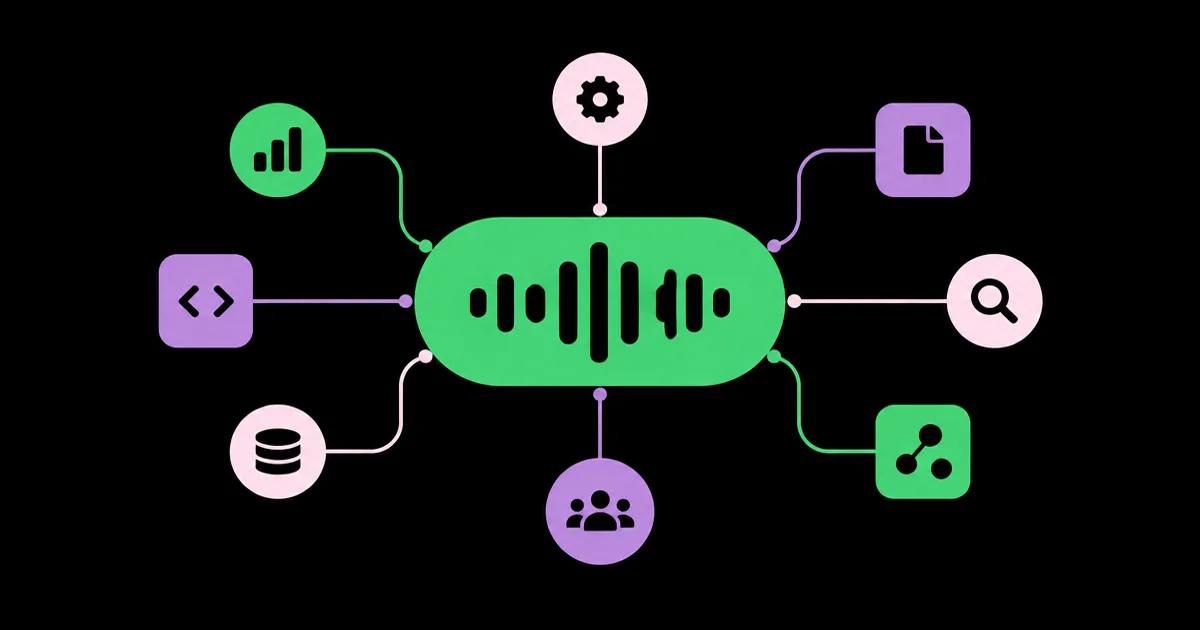
Alex Artificial Intelligence: Naming AI Agents That Work
Short, gender-neutral, easy to pronounce across languages: that is why names like Alex keep landing on AI assistants. An AI assistant persona is the combination of name, voice, scope and behaviour rules that determines how users interpret a system's answers. Choosing that persona is a product decision with measurable consequences for adoption, escalation rates and trust, not a branding afterthought handled in the final sprint.
Quick Answer: Naming an AI assistant Alex works because the name is short, gender-neutral and pronounceable in many languages, which lowers the effort of addressing it. A human name helps adoption in conversational, support and voice contexts, but it raises expectations, so scope limits must be stated clearly wherever the name appears.
How an Agency Builds an AI Assistant Users Actually Adopt
Persona work only pays off when the interface, the model behaviour and the escalation path agree with each other. WebPeak handles those three together: their conversational AI team defines the assistant's scope, refusal rules and handover triggers, then their React interface developers build the chat surface so the assistant's limits are visible in the UI rather than buried in a policy page. Their front-end engineering group handles the accessibility layer, including keyboard navigation and screen reader labelling for the assistant's messages. The full engagement model is outlined at WebPeak.
What a Human Name Changes in User Behaviour
A name sets expectations before the first response. In practice, giving an assistant a human name shifts users from command phrasing to conversational phrasing almost immediately: they stop typing keyword fragments and start asking full questions. That is usually good, because full questions give the model context to work with and reduce ambiguous retrieval.
The cost is that a human name also implies human competence. Users who address something called Alex tend to expect memory across sessions, judgement about edge cases and accountability when the answer is wrong. If the system cannot do those things, the mismatch reads as failure rather than as a limitation. The mitigation is not to abandon the name but to state scope in the same breath as the name, in the same way careful teams qualify what the AI label actually promises in a product instead of leaving it open to interpretation.
Choosing and Scoping an Assistant Name
- Test pronunciation across your markets. A name that is awkward in one major language creates friction in every voice interaction there.
- Check for collisions. Existing assistants, internal tools and trademarks in your category cause confusion and legal review delays.
- Decide gender presentation deliberately. Neutral names avoid reinforcing service-role stereotypes, which is a documented concern in assistant design.
- Write the scope sentence before the name. One sentence stating what it does and what it never does, shown at first contact.
- Define the handover rule. Users need to know how to reach a person, and the assistant should offer that path proactively when confidence is low.
- Keep the wake word short if voice is involved. Two syllables is the practical ceiling for repeated spoken use.
Naming Approaches Compared
| Naming approach | Example pattern | Best fit | Main risk |
|---|---|---|---|
| Human first name | Alex, Sam, Nova | Support and voice assistants | Overstated competence |
| Functional name | Docs Assistant | Internal enterprise tools | Low memorability |
| Brand plus role | Company Copilot | Product-embedded features | Blends into competitors |
| Abstract coined name | Invented word | Standalone AI products | Needs explanation and spend |
| No name at all | Chat panel | Utility features | Weaker engagement |
What Assistant Deployments Teach About Persona
The pattern I see repeatedly is that persona quality is judged at the moment of failure, not at the moment of success. Users forgive an assistant that says it cannot help and routes them to a person within one exchange. They do not forgive an assistant that improvises confidently and wastes five minutes. Every hour spent tuning refusal and handover behaviour returns more satisfaction than an hour spent tuning the friendly greeting.
A related observation concerns naming stability. Renaming an assistant after launch is far more disruptive than teams expect, because the name propagates into help documentation, saved user shortcuts, support macros, training material and any voice trigger already in muscle memory. Choosing a name you can defend for three years, and registering the obvious variants early, costs almost nothing at the start and avoids a migration nobody wants to fund later.
The second pattern is consistency of voice across surfaces. An assistant that is warm in chat and terse in email notifications feels like two different systems, and users stop trusting either. Writing a short voice guide covering greeting, uncertainty, refusal and escalation is a one-day exercise that prevents months of inconsistency. Teams should also be honest internally about capability limits, especially where enthusiasm about general intelligence outpaces what a deployed assistant does, a tension explored in our piece on reasoning versus pattern learning in machine intelligence.
Key Takeaways
- Short, gender-neutral names such as Alex reduce pronunciation friction across languages and voice interfaces.
- A human name shifts users toward conversational phrasing, which improves the context a model receives.
- The same name raises expectations of memory, judgement and accountability that most assistants cannot meet.
- Stating scope and handover rules at first contact protects trust more effectively than personality tuning.
- Persona is judged at the point of failure, so refusal and escalation behaviour deserve the most design attention.
Frequently Asked Questions
Why are AI assistants often given human names?
Human names make a system easier to address and remember, and they signal a conversational interface rather than a search box. They also give teams a consistent way to write the assistant's voice, which keeps tone stable across chat, email and voice surfaces.
Is Alex a good name for an AI assistant?
It works well on the practical criteria: two syllables, gender-neutral, pronounceable in many languages and simple to spell. Its weakness is ubiquity, since common names offer little brand distinctiveness and may collide with existing internal tools or products in your category.
Should an AI assistant have a gender?
Most teams now choose neutral presentation. Assigning a gender to a service-oriented assistant has been criticised for reinforcing stereotypes, and neutral names avoid that entirely while giving you a persona that translates across markets without additional localisation decisions.
How do I stop users overestimating what the assistant can do?
State scope at first contact in one sentence, keep it visible in the interface, and make the assistant decline clearly rather than guess. A visible handover option to a human, offered proactively when confidence is low, resolves most expectation mismatches before they become complaints.
Does the name affect adoption measurably?
The name influences first interaction, but retention is driven by usefulness and reliable escalation. In practice, teams that improve refusal and handover behaviour see better sustained usage than teams that rename an assistant while leaving its failure handling untouched.
Conclusion
The decision that matters most is not the name; it is whether the assistant tells the truth about its limits at the moment it reaches them. Get that right and almost any reasonable name will work. Your next step is to write the one-sentence scope statement and the handover rule, then show both in the interface before you argue about personality. If your assistant runs on infrastructure you are still planning, continue with our analysis of where AI compute capacity is coming from.
Related articles
 Artificial Intelligence
Artificial Intelligence 5: Five Shifts Teams Must Plan
Artificial intelligence 5 shifts that decide whether an AI project ships: data readiness, evaluation, cost control, human oversight and clear ownership.
 Artificial Intelligence
Albert Einstein Artificial Intelligence: Lessons for AI
What Albert Einstein artificial intelligence comparisons get right and wrong, and how his method of reasoning still challenges how modern models are built.
 Artificial Intelligence
AI Name Meaning: What Artificial Intelligence Really Says
The real AI name meaning, where the term originally came from, and how to read the label properly when it appears in product names, titles and marketing claims.