Why Does Social Media Misconduct Matter? Risks and Real Consequences
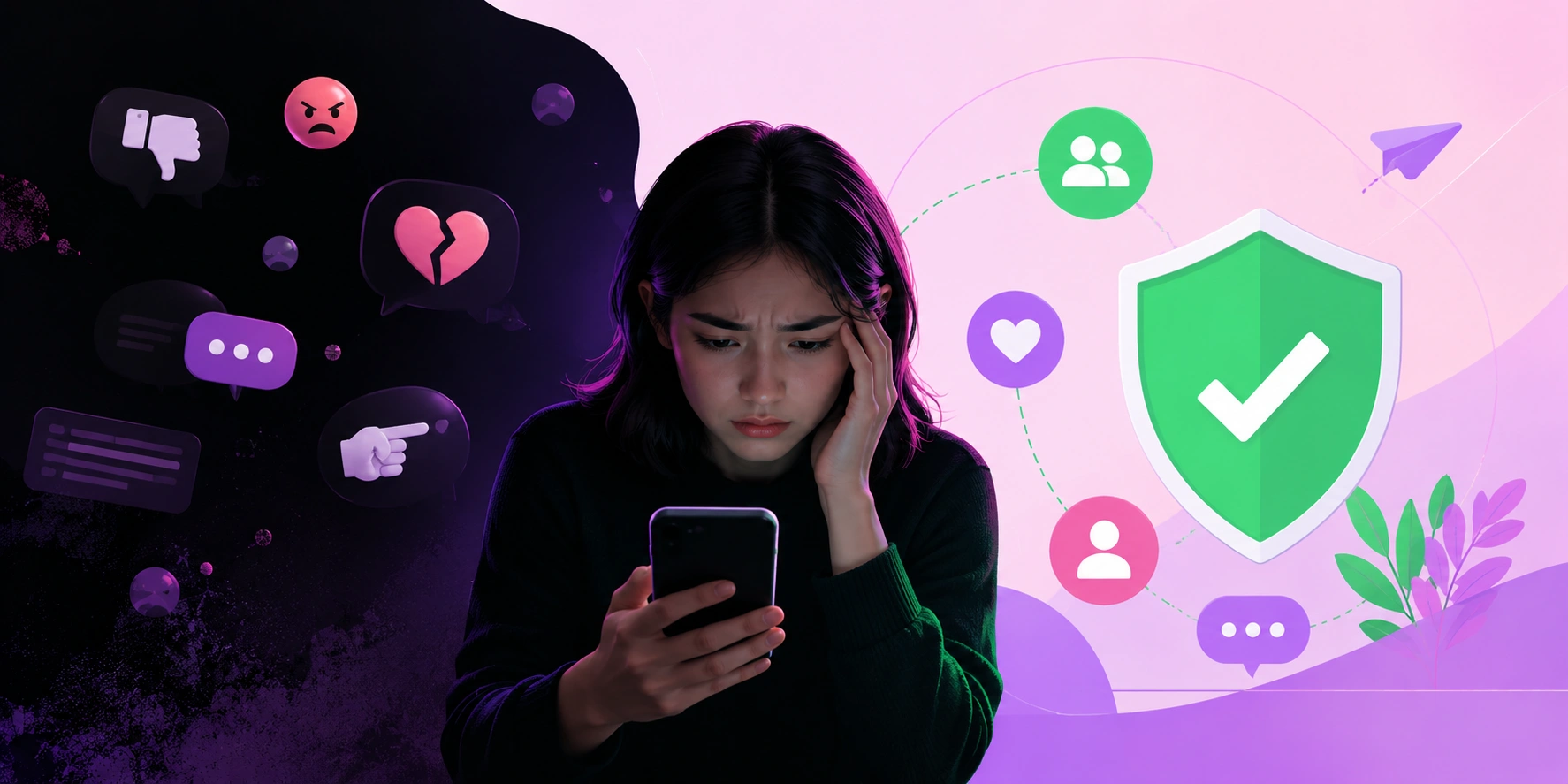
Social media misconduct refers to inappropriate, harmful, or policy-violating behavior online — including harassment, misinformation, offensive posts, data leaks, and unprofessional conduct by employees or brands. It matters because a single screenshot can outlive the moment it was posted, spreading to thousands of people within minutes and permanently attaching to a person's or company's reputation. In an era where recruiters, customers, and journalists routinely check social profiles, misconduct is no longer a private mistake; it is a public liability with financial, legal, and career consequences. Understanding why it matters is the first step to protecting yourself and your organization.
Quick Answer: Social media misconduct matters because online behavior is permanent, public, and searchable. A single harmful post can destroy reputations, trigger legal action, cost jobs, and damage brand revenue — making responsible conduct and clear policies essential for individuals and businesses alike.
How WebPeak Helps Brands Manage Their Online Conduct
Preventing misconduct requires monitoring, clear guidelines, and professional oversight, which is where WebPeak supports organizations. Their social media management service maintains a consistent, brand-safe voice across every channel and catches risky content before it publishes, while their digital marketing consultancy helps leadership build posting policies and crisis-response plans. Because they treat brand reputation as a measurable asset, they help businesses avoid the costly public missteps that damage trust and revenue.
What Counts as Social Media Misconduct?
Social media misconduct is any online action that breaches ethical standards, platform rules, or professional expectations. It ranges from obvious violations to subtle lapses that still cause real harm. Common examples include harassment or bullying, posting discriminatory or offensive content, spreading misinformation, sharing confidential company data, defaming competitors, and impersonating others. For employees, it can also mean publicly disparaging an employer or leaking internal information. The defining feature of misconduct is that it causes harm — to people, reputations, or trust — and because social platforms amplify content instantly, even a poorly judged joke can escalate into a public incident with lasting damage.
What Are the Real Consequences of Misconduct?
The consequences of social media misconduct are wide-ranging and often more severe than people expect. Because online content is permanent and easily shared, the fallout can affect finances, careers, and relationships for years. The main categories of consequence include:
- Reputational damage: Public backlash and loss of trust that is difficult and expensive to rebuild.
- Career impact: Termination, rescinded job offers, or professional blacklisting after screenshots surface.
- Legal liability: Defamation suits, harassment claims, or regulatory penalties for false or harmful content.
- Financial loss: Lost customers, canceled contracts, and falling revenue after a public incident.
- Emotional harm: Stress, anxiety, and mental health consequences for both victims and those who post carelessly.
How Do Personal and Brand Misconduct Compare?
While the underlying principle is the same, the scale and specifics of misconduct differ between individuals and organizations. The table below outlines how the risks, triggers, and consequences vary, helping both people and brands understand where their vulnerabilities lie and how to respond.
| Aspect | Individual Misconduct | Brand Misconduct |
|---|---|---|
| Common trigger | Impulsive personal posts or comments | Tone-deaf campaigns or poor crisis response |
| Primary risk | Job loss and personal reputation damage | Revenue loss and customer boycotts |
| Speed of spread | Fast within personal networks | Rapid and often covered by media |
| Recovery difficulty | Moderate with sincere apology | High, often requiring long-term rebuilding |
What Does the Data Reveal About Online Misconduct?
Research consistently shows that online behavior carries offline consequences. According to CareerBuilder surveys on hiring, a majority of employers screen candidates' social media, and a significant share have rejected applicants based on content they found — from offensive posts to discriminatory comments. Pew Research Center studies on online harassment have found that roughly four in ten adults have personally experienced some form of online harassment, underscoring how widespread misconduct's impact has become. From my experience advising brands, the most damaging incidents rarely stem from malice; they come from carelessness — an unreviewed post, an angry reply, or a joke that ignored context. This is why the strongest protection is not censorship but a clear, well-understood policy paired with a pause-before-posting culture that treats every message as permanent and public.
Key Takeaways
- Social media misconduct matters because online content is permanent, searchable, and can spread to thousands within minutes.
- Consequences include reputational harm, job loss, legal liability, financial damage, and emotional distress.
- Most employers now screen social media, and many reject candidates based on what they find.
- Brand misconduct is harder to recover from than personal misconduct and often draws media coverage.
- Clear posting policies and a pause-before-posting culture are the most effective prevention tools.
Frequently Asked Questions
Why does social media misconduct matter so much?
Because online behavior is permanent, public, and searchable. A single harmful post can spread to thousands instantly, damaging reputations, ending careers, triggering legal action, and reducing brand revenue. The lasting, wide-reaching nature of digital content makes misconduct far more consequential than an offline mistake.
Can you lose your job over social media misconduct?
Yes. Many employers monitor employee posts and have clear conduct policies. Offensive content, harassment, leaking confidential data, or publicly disparaging an employer can all lead to termination, and screenshots often surface long after the original post was deleted.
What is the most common type of social media misconduct?
Impulsive, careless posting is the most common cause of misconduct. This includes offensive jokes, angry replies, sharing misinformation, and posting without considering context. Most incidents stem from carelessness rather than malice, which is why pausing before posting prevents the majority of problems.
How can businesses prevent social media misconduct?
Businesses prevent misconduct with clear written policies, employee training, content approval workflows, and a crisis-response plan. Monitoring brand mentions and maintaining a professional, reviewed posting process helps catch risky content before publication and reduces the chance of costly public incidents.
Is deleting a post enough to fix misconduct?
Usually not. Screenshots, archives, and reshares mean content can persist even after deletion. Deleting a post may limit further spread, but a sincere, timely response and genuine accountability are far more effective at repairing trust and reducing lasting damage.
Conclusion
The most important insight about social media misconduct is that permanence changes everything — what feels like a fleeting comment becomes a lasting record that others can surface at any time. Whether you are an individual protecting your career or a brand protecting revenue, the safest path is proactive: establish clear standards, review before publishing, and respond honestly when mistakes happen. Treat every post as a public statement of your values, because that is exactly how audiences will interpret it. Building that discipline now is far cheaper than repairing a reputation later.