Why Businesses Need Social Media Marketing in 2026: A Complete Guide
In 2026, social media is no longer a supplementary marketing channel — it is the primary place where buyers discover, research, and judge brands before they ever visit a website. Social media marketing is the practice of using platforms like Instagram, TikTok, LinkedIn, YouTube, and X to build awareness, engage audiences, and drive measurable business outcomes such as leads and sales. With more than 5.2 billion active social users worldwide and AI-powered feeds deciding what each person sees, ignoring social media means ceding your market to competitors who show up daily. This guide explains exactly why social media marketing is now essential and how to make it profitable.
Quick Answer: Businesses need social media marketing in 2026 because it is where customers now discover, research, and buy. It delivers targeted reach, builds trust through consistent presence, drives social commerce sales, and produces measurable ROI far cheaper than most traditional advertising channels.
How WebPeak Helps Businesses Win on Social Media
Executing a winning strategy requires content, targeting, and constant optimization — which is where WebPeak supports growing brands. Their social media marketing team builds data-backed campaigns across paid and organic channels, while their social media management service handles scheduling, community engagement, and reporting so your calendar never goes dark. Because they combine creative production with performance analytics, businesses get campaigns that look professional and are tied to real revenue goals rather than vanity metrics.
What Does Social Media Marketing Actually Do for a Business?
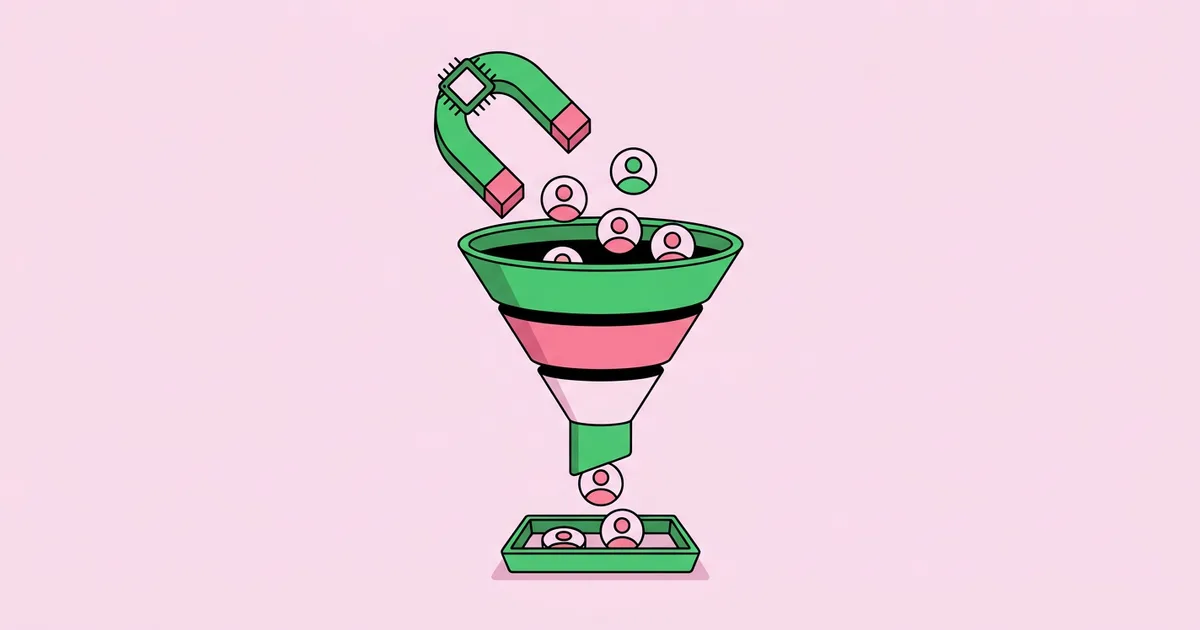
Social media marketing performs four core jobs: it builds brand awareness, nurtures relationships, generates demand, and converts that demand into sales. Awareness is the top of the funnel — short-form video and consistent posting put your brand in front of people who have never heard of you. Relationship building happens through comments, direct messages, and community management that turns followers into advocates. Demand generation uses targeted content and paid ads to move interested viewers toward action. Finally, conversion is driven through in-app checkout, lead forms, and retargeting. In practical terms, a well-run account shortens the buyer journey by keeping your brand visible at every decision stage.
Why Is 2026 Different From Previous Years?
Three shifts make 2026 a turning point for social media marketing, and each one changes how businesses should allocate budget and effort. Understanding these shifts helps you prioritize the tactics that actually move the needle this year.
- AI-driven discovery: Feeds are now interest-based, not follower-based, meaning even accounts with small followings can reach millions if the content resonates.
- Social commerce maturity: Users complete purchases inside apps without leaving, collapsing the gap between discovery and checkout.
- Search behavior migration: Younger buyers increasingly search TikTok and Instagram instead of Google for product recommendations and reviews.
- Creator-led trust: Authentic creator partnerships outperform polished brand ads because audiences trust people more than logos.
- Real-time expectations: Customers expect brands to respond to messages and comments within hours, not days.
What Return Can Businesses Expect From Social Media Marketing?
The return depends on strategy, but social media consistently delivers strong value across awareness, engagement, and conversion goals. The table below compares common business objectives with the social tactics that serve them and the realistic outcomes to expect when campaigns are run properly.
| Business Goal | Recommended Tactic | Typical Outcome |
|---|---|---|
| Brand awareness | Short-form video and consistent organic posting | Lower cost per thousand impressions than most paid media |
| Lead generation | Targeted paid ads with lead forms | Qualified leads at a controllable, measurable cost |
| Direct sales | Social commerce and shoppable posts | Shorter path from discovery to purchase |
| Customer retention | Community management and DMs | Higher repeat purchase and referral rates |
What Do the Numbers Say About Social Media Marketing?
The data makes the business case difficult to ignore. According to DataReportal's global digital reports, the average internet user spends more than two hours per day on social platforms, giving brands a recurring daily window to reach their audience. Research summarized by HubSpot has repeatedly found that a majority of marketers report social media generating measurable ROI, and that short-form video delivers the highest return of any content format. My own experience managing campaigns confirms a pattern the averages hide: businesses that post consistently for at least 90 days almost always outperform those chasing one viral moment. Virality is unpredictable, but compounding consistency is a strategy you can actually control — and it is the single biggest predictor of long-term social success.
Key Takeaways
- Social media is now the primary discovery and research channel for most buyers, making it essential rather than optional in 2026.
- AI-driven, interest-based feeds let small businesses reach large audiences without huge followings.
- Social commerce collapses the distance between discovery and purchase, boosting conversion rates.
- Consistency over 90+ days predicts success far more reliably than chasing viral moments.
- Short-form video currently delivers the highest ROI of any content format for most brands.
Frequently Asked Questions
Why do businesses need social media marketing in 2026?
Because buyers now discover, research, and purchase products directly on social platforms. Social media marketing gives businesses targeted reach, builds trust through consistent presence, enables in-app sales, and delivers measurable ROI at a lower cost than most traditional advertising channels.
Is social media marketing worth it for small businesses?
Yes. Interest-based algorithms in 2026 let small businesses reach large, relevant audiences without paying for massive followings. With modest, consistent effort and a clear offer, small brands can generate leads and sales that rival much larger competitors.
Which social media platform is best for business marketing?
It depends on your audience. LinkedIn suits B2B, Instagram and TikTok excel for consumer and lifestyle brands, and YouTube works well for education and high-consideration purchases. Choose where your specific customers already spend their attention.
How much should a business spend on social media marketing?
Most small and mid-sized businesses allocate a portion of revenue split between content creation and paid ads. Start with a modest test budget, measure cost per lead and sale, then scale the campaigns and channels that prove profitable.
How long does social media marketing take to show results?
Organic growth usually shows meaningful traction within 60 to 90 days of consistent posting, while paid campaigns can generate leads within days. Sustainable results come from combining both approaches and optimizing based on performance data.
Conclusion
The single most important decision for any business in 2026 is not whether to use social media marketing, but how consistently and strategically to invest in it. The channel now sits at the center of discovery, trust, and purchase, and the brands that show up daily with useful content will keep winning the audiences their competitors ignore. Start by choosing one or two platforms where your customers already spend time, commit to a 90-day consistency plan, and measure what converts. If you want experienced hands guiding that strategy, work with a team that ties every post to real business outcomes rather than vanity metrics.