Which of the Following Is True About Social Media Advertising
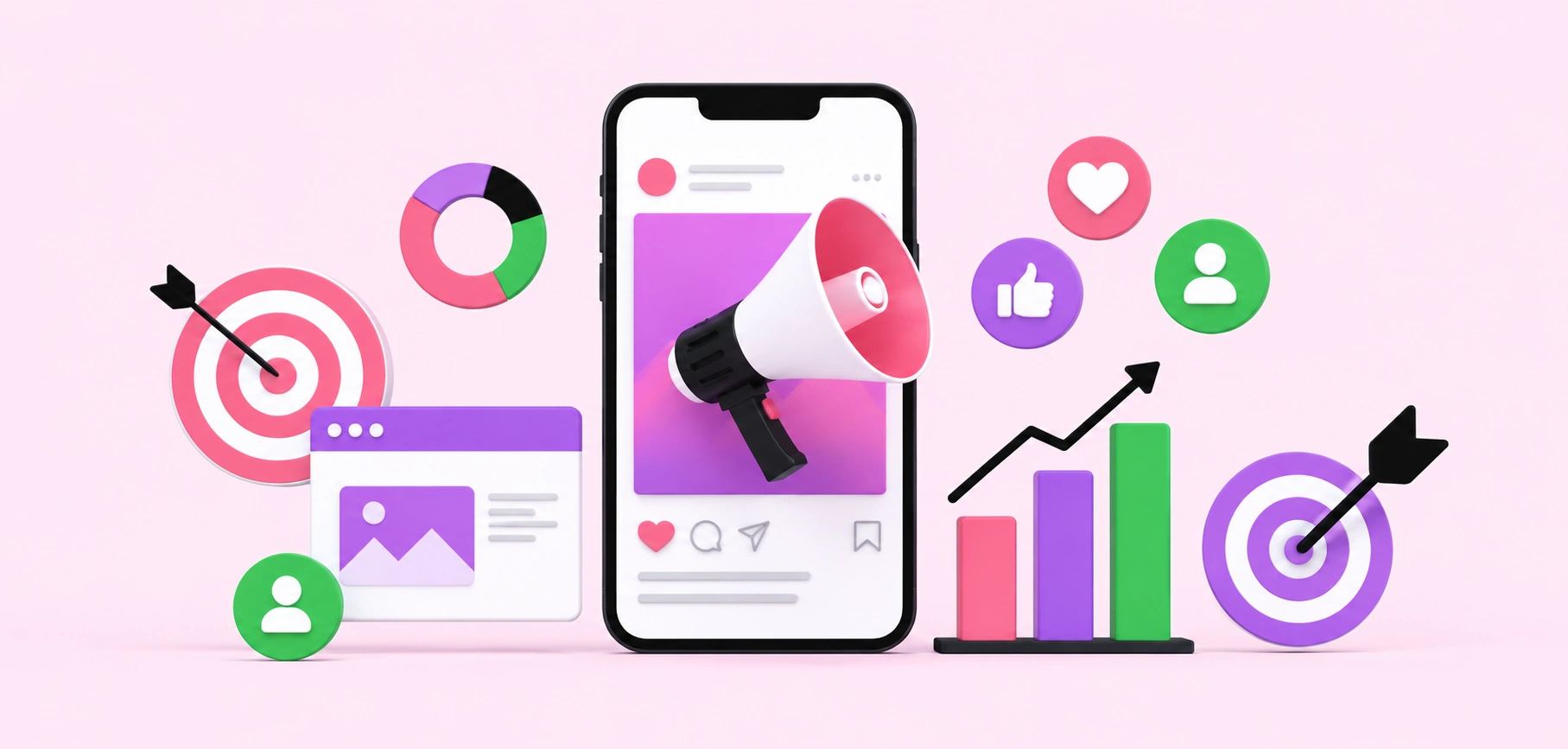
Social media advertising is the practice of running paid promotions on platforms like Facebook, Instagram, LinkedIn, TikTok, and X to reach specific audiences based on demographics, interests, and behaviors. When people ask which statements are true about it, the accurate answers are: it allows highly precise audience targeting, it delivers measurable and trackable results, it can work on almost any budget, and it supports multiple objectives from awareness to conversions. False claims include "it guarantees viral success" or "it is free." Understanding what is genuinely true protects your budget from myths and helps you set realistic, profitable expectations.
Quick Answer: True statements about social media advertising are that it enables precise targeting, provides measurable ROI, scales to any budget, and supports goals from brand awareness to sales. It is not free, does not guarantee virality, and requires ongoing testing to perform well.
How WebPeak Helps You Run Profitable Social Media Advertising
Effective social media advertising depends on the right targeting, creative, and optimization loop. WebPeak, a worldwide digital agency, manages paid campaigns end to end through their social media marketing services, from audience research and ad creative to A/B testing and budget scaling. Their broader digital marketing services connect those ads to conversion-ready landing pages and analytics, so every dollar spent is tracked against real business outcomes rather than surface-level engagement metrics.
What Makes Social Media Advertising Different From Organic Posting?
Social media advertising is paid placement, while organic posting is unpaid reach to your existing followers. The defining difference is control and scale: with ads, you choose exactly who sees your content, how often, and with what budget, then measure the return in real time. Organic reach has declined sharply as platforms prioritize paid content, so ads now guarantee visibility that organic cannot. Advertising also unlocks advanced formats like lead forms, dynamic product ads, and retargeting. The key truth here is that ads and organic are complementary, not interchangeable, organic builds trust and community, while advertising delivers predictable, scalable reach to new audiences you could not otherwise access.
It is also true that social media advertising operates on an auction model, not a fixed price list. When you launch a campaign, you compete with other advertisers for the same audience's attention, and the platform rewards ads that are relevant and engaging with lower costs and better placement. This is why two businesses targeting the same audience can pay very different prices for the same result. Understanding the auction changes how you should think about creative: a scroll-stopping image, a clear value proposition, and a strong first line are not just nice to have, they directly lower your cost per click. Advertisers who ignore this and simply raise budgets to force reach almost always overpay compared to those who invest in relevance first.
Which Statements About Social Media Advertising Are Actually True?
To separate fact from myth, evaluate each claim against how the platforms genuinely operate. Here are the statements that are true:
- True: You can target by age, location, interests, job title, and behaviors.
- True: Results are measurable through impressions, clicks, conversions, and cost-per-result.
- True: Campaigns can start with small daily budgets and scale as they prove ROI.
- True: Retargeting lets you re-engage people who visited your site or watched your video.
- False: Ads guarantee a post will go viral.
- False: Social media advertising is free or a one-time setup.
Anchoring your strategy to the true statements keeps expectations realistic and spending disciplined. It is worth noting that measurability, while a genuine strength, has become more nuanced since privacy changes like Apple's App Tracking Transparency reduced the data platforms can collect. This means modern advertisers increasingly rely on tools such as the platform's conversion API, first-party data, and modeled conversions to maintain accurate tracking. The statement "results are fully trackable" is therefore true in principle but requires proper setup to hold true in practice. Advertisers who install server-side tracking and define clear conversion events still get reliable measurement, while those relying on outdated pixel-only setups often see attribution gaps that make campaigns look worse than they actually perform.
How Do the Major Social Advertising Platforms Compare?
Each platform serves different audiences and objectives, so choosing the right one depends on your goals and who you want to reach. A common mistake is spreading a small budget across every platform at once, which prevents any single campaign from gathering enough data to optimize. A better approach is to start with the one platform where your target audience is most concentrated, let it accumulate conversion data, and only expand once you have a profitable, repeatable result. The comparison below outlines each platform's core strength and primary audience so you can make that first choice deliberately rather than by guesswork.
| Platform | Best For | Primary Audience |
|---|---|---|
| Meta (Facebook/Instagram) | Broad reach, e-commerce, retargeting | Wide consumer demographics |
| B2B lead generation and hiring | Professionals and decision-makers | |
| TikTok | Brand awareness, younger audiences | Gen Z and younger millennials |
| Product discovery and inspiration | Shoppers planning purchases |
Why Is Social Media Advertising So Effective for Businesses?
Social media advertising is effective because it combines massive reach with granular targeting and transparent measurement. According to DataReportal, social platforms reach billions of users daily, and Hootsuite's research consistently shows that a large share of users discover new brands and products directly through social ads. Statista has reported that global social media ad spend runs into the hundreds of billions of dollars annually, a figure that keeps rising because the returns justify it. From my experience managing ad accounts, the businesses that win are not the ones with the biggest budgets but the ones that test relentlessly, kill underperforming creative fast, and double down on what converts. The original insight most beginners miss: the algorithm rewards relevance, so a well-targeted small budget often beats a poorly targeted large one.
The effectiveness also comes from the feedback loop that paid social creates. Unlike traditional advertising, where you wait weeks to learn whether a billboard or print ad worked, social platforms return performance data within hours. This lets you kill underperforming ads quickly, double down on winners, and refine your message continuously. Over a single campaign you might test a dozen headlines and images, learning exactly what language and visuals move your audience to act. That accumulated insight is valuable beyond the ads themselves, informing your website copy, email subject lines, and even product decisions. In this sense, a well-run advertising program doubles as ongoing market research, giving you a clearer picture of customer motivation than surveys or guesswork ever could.
Key Takeaways
- Social media advertising is true when described as precise, measurable, scalable, and objective-driven; it is not free or a guarantee of virality.
- Ads provide guaranteed visibility that declining organic reach can no longer deliver on its own.
- Retargeting and detailed audience targeting are among the most valuable and accurate features.
- Platform choice should match your audience: LinkedIn for B2B, TikTok for younger reach, Meta for broad e-commerce.
- Relevance beats budget size, well-targeted small campaigns frequently outperform poorly targeted large ones.
Frequently Asked Questions
Is social media advertising worth it for small businesses?
Yes, social media advertising is well-suited to small businesses because campaigns can start with modest daily budgets and precise targeting reduces wasted spend. When paired with clear goals and conversion tracking, even small budgets can generate measurable leads and sales cost-effectively.
How much does social media advertising cost?
Costs vary by platform, audience, and competition, but many campaigns run on cost-per-click or cost-per-thousand-impression models. You control the budget, starting from just a few dollars per day, and pay based on results, making it flexible for nearly any spending level.
Can social media advertising guarantee sales?
No advertising can guarantee sales. Social ads reliably deliver targeted reach and clicks, but conversions depend on your offer, landing page, pricing, and follow-up. Treat guaranteed-sales claims as a red flag; success comes from testing and optimizing the full funnel.
What is the difference between boosting a post and running an ad?
Boosting a post is a simplified promotion with limited targeting and objectives, done directly from a feed. A full ad, built in the platform's ads manager, offers advanced targeting, multiple objectives, A/B testing, and detailed reporting, giving you far more control and better results.
Which social media platform has the best advertising ROI?
There is no single best platform; ROI depends on your audience and goals. B2B brands often see strong returns on LinkedIn, e-commerce brands on Meta and Pinterest, and awareness campaigns on TikTok. Test across platforms and measure cost-per-conversion to find your best channel.
Conclusion
The most important truth about social media advertising is that its power comes from precise targeting and honest measurement, not luck or virality. Before launching your next campaign, define one clear objective, set a test budget you can afford to learn from, and commit to reviewing the data weekly. Cut what fails, scale what works, and keep your landing experience aligned with your ad. Advertisers who respect these fundamentals build predictable, profitable growth, and that discipline is what separates lasting results from wasted spend.