What Is Social Media Scheduling and Why Is It Useful?
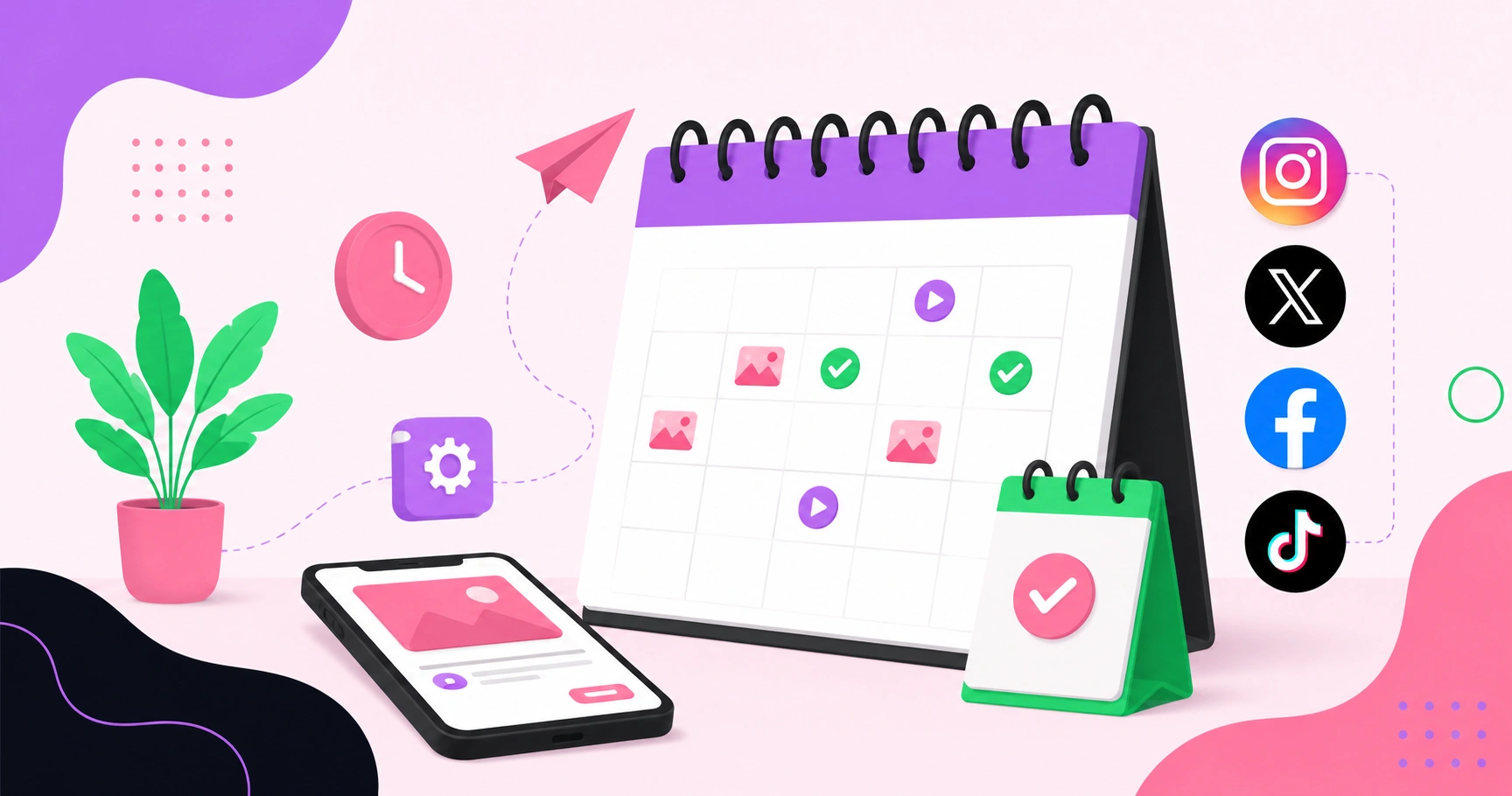
Social media scheduling is the practice of creating posts in advance and using tools to automatically publish them at predetermined times across platforms. Instead of logging in to post manually every day, marketers batch their content and let scheduling software handle publishing, even when they are offline. This approach transforms social media from a reactive, time-draining chore into a planned, strategic operation. Understanding social media scheduling matters because consistency is the single biggest factor in social media growth, and scheduling is the most reliable way to achieve it, freeing up time while ensuring your brand never goes silent.
Quick Answer: Social media scheduling is the practice of planning and creating posts in advance, then using tools to publish them automatically at set times. It is useful because it saves time, ensures consistent posting, allows publishing at peak engagement hours, and lets teams focus on strategy instead of daily manual posting.
How WebPeak Streamlines Social Media Scheduling
Effective scheduling requires more than a tool; it requires a content plan, optimized timing, and a steady supply of quality posts. WebPeak helps brands build and run these systems through their social media management services, developing content calendars and scheduling posts at the times that maximize reach. Their team can also automate and optimize publishing workflows using AI powered marketing automation, ensuring posts go out consistently while analytics guide continuous improvement. This combination lets businesses maintain an always-on presence without the daily manual workload.
How Does Social Media Scheduling Work?
Social media scheduling works by separating content creation from content publishing. The process is defined by batching: you create multiple posts at once, load them into a scheduling tool, set publish dates and times, and let the software post automatically. Most tools also let you preview how content will look, manage multiple platforms from one dashboard, and reschedule with a few clicks. This means a marketer can plan an entire week or month of content in a single sitting. The defining benefit is control: scheduling removes the pressure of daily posting and ensures content goes live at optimal times, even outside working hours or across time zones.
What Are the Main Benefits of Scheduling?
Scheduling delivers several concrete advantages that compound over time. Here are the primary benefits that make it essential for modern social media management.
- Time savings: Batching content eliminates the daily interruption of manual posting.
- Consistency: A steady posting cadence keeps your brand visible and signals reliability to algorithms.
- Optimal timing: Posts publish at peak engagement hours, even when you are unavailable.
- Better planning: A content calendar reveals gaps and ensures a balanced content mix.
- Reduced burnout: Planning ahead removes the daily stress of scrambling for something to post.
- Cross-platform reach: Manage and publish to multiple networks from one place.
Manual Posting vs. Scheduled Posting: Which Wins?
Comparing manual and scheduled posting clarifies why scheduling has become the standard. The table below contrasts the two approaches across key factors that affect results.
| Factor | Manual Posting | Scheduled Posting |
|---|---|---|
| Time required | High, daily effort | Low, batched in advance |
| Consistency | Often irregular | Reliable and steady |
| Timing | Limited to availability | Optimized peak hours |
| Planning | Reactive and ad hoc | Strategic calendar-based |
Does Scheduling Actually Improve Results?
The evidence strongly supports scheduling as a driver of better social media performance. According to Sprout Social's research, consistency in posting is one of the most important factors in audience growth, and scheduling is the most practical way to maintain it. Data from CoSchedule indicates that marketers who proactively plan and document their content strategy are significantly more likely to report success, with planners far outperforming those who post reactively. In my experience managing content calendars for multiple brands, the accounts that schedule consistently not only save hours each week but also produce higher-quality content, because batching encourages thoughtful planning rather than last-minute filler. The original insight is that scheduling's biggest benefit is not automation itself but the strategic clarity it forces: when you plan a month ahead, you naturally create content that builds on itself, tells a coherent brand story, and aligns with campaigns rather than scattered, disconnected posts.
Key Takeaways
- Social media scheduling means creating posts in advance and publishing them automatically at set times.
- It saves time by separating content creation from daily publishing through batching.
- Scheduling ensures consistency, which is the single biggest factor in social media growth.
- Marketers who plan and document their strategy are far more likely to report success, per CoSchedule.
- The biggest benefit is strategic clarity, since planning ahead produces more coherent, higher-quality content.
Frequently Asked Questions
What is social media scheduling?
Social media scheduling is the practice of creating posts in advance and using tools to publish them automatically at chosen times. Instead of posting manually each day, you batch content and let software handle publishing, ensuring consistent posting across platforms even when you are offline or busy.
Why is social media scheduling useful?
Social media scheduling is useful because it saves time, ensures consistent posting, and lets content publish at peak engagement hours. It frees marketers to focus on strategy instead of daily posting, reduces burnout, and enables planning a coherent content calendar across multiple platforms from one dashboard.
Does scheduling posts hurt engagement?
No, scheduling does not hurt engagement when done well. In fact, it often improves engagement by ensuring posts go live at optimal times consistently. The key is to still respond to comments and messages in real time, since scheduling handles publishing but not live community interaction.
What tools are used for social media scheduling?
Popular scheduling tools include platforms that let you manage multiple accounts, plan content calendars, and auto-publish posts. Many also offer analytics, previews, and team collaboration. The best tool depends on your platforms, budget, and team size, but most major options support the main social networks.
How far in advance should I schedule posts?
Most brands schedule content one to four weeks in advance, balancing planning with flexibility for timely or trending topics. Scheduling too far ahead risks content feeling outdated, while too little planning causes inconsistency. A rolling two-week schedule is a practical sweet spot for most businesses.
Conclusion
The most important realization is that social media scheduling is not just about saving time, it is about gaining the strategic clarity that consistent, high-quality content requires. If your posting is irregular or stressful, adopting a scheduling system is the single most effective change you can make to grow your presence reliably. Plan ahead, publish at peak times, and stay responsive to your community in real time. Treating scheduling as a strategic discipline rather than a convenience is what turns a scattered social presence into a dependable engine for long-term growth.