What is Motion Graphics and How to Use It in Marketing
Motion graphics have become one of the most engaging and persuasive tools in modern marketing. They blend graphic design, animation, and storytelling to bring static visuals to life, allowing brands to communicate complex ideas in seconds. From animated logos and explainer videos to social media reels and product demos, motion graphics capture attention in ways that still images and plain text simply cannot. As feeds become more crowded and competition for engagement intensifies, marketers are increasingly relying on motion graphics to make their messages move — both literally and emotionally.
Power Up Your Marketing With WebPeak
Creating motion graphics that genuinely move your audience requires creativity, technical skill, and a clear marketing strategy. WebPeak is a worldwide digital agency that helps brands integrate motion graphics into their marketing strategies seamlessly. Their video production and editing services team designs engaging animations, explainer videos, and dynamic ads that align with each client's brand. With their expertise, businesses can transform static campaigns into compelling visual stories that drive higher engagement and conversions.
Understanding What Motion Graphics Really Are
Motion graphics refer to animated graphic design — pieces in which typography, shapes, illustrations, or icons move across the screen with intent. Unlike full character animation or live-action video, motion graphics focus on stylized visuals that emphasize information and storytelling. Think of an animated logo introduction, a kinetic typography video explaining a product, or icons appearing one by one to illustrate a step-by-step process. They blend the structure of graphic design with the energy of animation, making them ideal for marketing.
The reason motion graphics resonate so strongly is rooted in human psychology. Our eyes are naturally drawn to movement, and our brains process visual information faster than text. Motion graphics combine these advantages, simplifying complex ideas and improving information retention. They are also incredibly versatile — capable of being formatted for social media, websites, presentations, ads, and even out-of-home displays. For marketers, this versatility makes motion graphics a uniquely powerful asset across the entire customer journey.
Where Motion Graphics Fit Into Your Marketing Strategy
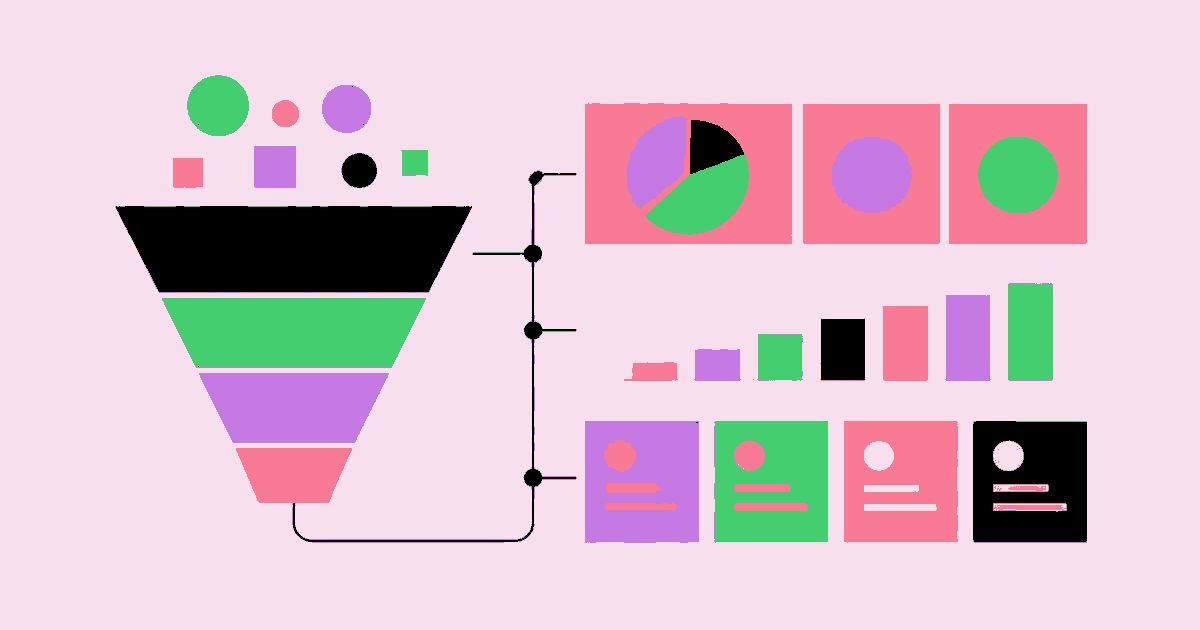
Motion graphics can play a role at every stage of your marketing funnel. At the awareness stage, short animated social ads and reels grab attention as users scroll. They condense your value proposition into five to fifteen seconds and stand out among static feed content. Animated logos and brand stings, used at the start of videos, also build instant brand recognition over time. Even subtle micro-animations on website headers can intrigue visitors enough to keep them exploring further.
In the consideration stage, explainer videos and product demos shine. Motion graphics can break down how your product solves a problem, highlight its features, or visualize the benefits in a way that text-heavy pages cannot. At the decision stage, animated testimonials, case study highlights, and data-driven motion charts reinforce credibility. Even after the sale, motion graphics enhance onboarding tutorials, customer education, and email marketing. Used strategically, they make every touchpoint more engaging and memorable for the customer.
Best Practices for Creating Effective Motion Graphics
Great motion graphics start with a strong story, not flashy effects. Before opening animation software, define the message, target audience, and call to action. A clear script and storyboard ensure that every visual element supports a single, focused goal. Avoid trying to communicate too much at once; the best motion graphics highlight one idea per scene and use pacing, transitions, and visuals to guide viewers smoothly from start to finish.
On the design side, consistency with your brand is essential. Use your brand colors, typography, and graphic style so each animation feels like a natural extension of your visual identity. Keep animations purposeful — every movement should support comprehension, emotion, or rhythm rather than being added simply because it looks cool. Pay attention to length: most successful marketing motion graphics range from 15 to 90 seconds. Pair the visuals with thoughtful sound design, since audio amplifies emotional impact and reinforces key moments.
Distributing Motion Graphics Across Channels
The way you distribute motion graphics is just as important as how you create them. Each platform has its own format requirements and viewing behaviors. Instagram Reels and TikTok favor vertical 9:16 videos with bold text overlays and quick pacing. YouTube and websites perform better with horizontal 16:9 formats and slightly longer storytelling. LinkedIn audiences often respond well to professional explainer-style motion graphics. Tailoring each piece to the channel maximizes its impact rather than relying on a single one-size-fits-all version.
Repurposing is another powerful tactic. A single explainer video can be cut into shorter teasers for social media, looped GIFs for emails, animated thumbnails for blog posts, and silent variations for environments where sound is off. Always include captions, since many users watch without audio. Track engagement metrics across each channel to learn what works, then apply those insights to future productions. With strategic distribution, motion graphics can reach wider audiences and continue producing value long after their initial launch.
Frequently Asked Questions
How are motion graphics different from animation?
Motion graphics focus on animating graphic design elements like text, shapes, and icons. Traditional animation often involves character-driven storytelling and detailed scenes. Motion graphics are typically more concise and information-focused, making them ideal for marketing.
How long should a motion graphics video be?
For social media, 15 to 30 seconds is ideal. Explainer videos and product demos generally perform well between 60 and 90 seconds. The right length depends on your platform, audience, and the complexity of the message you want to communicate.
Are motion graphics expensive to produce?
Costs vary based on complexity, length, and quality. Short animations can be produced affordably with templates, while custom, brand-specific motion graphics require greater investment. Working with experienced agencies typically yields better results and stronger return on investment.
Do motion graphics improve marketing performance?
Yes. Motion graphics often outperform static content in engagement, click-through rates, and conversions. They capture attention faster and communicate complex information more efficiently, which translates into measurable improvements across most marketing metrics.
What software is used to create motion graphics?
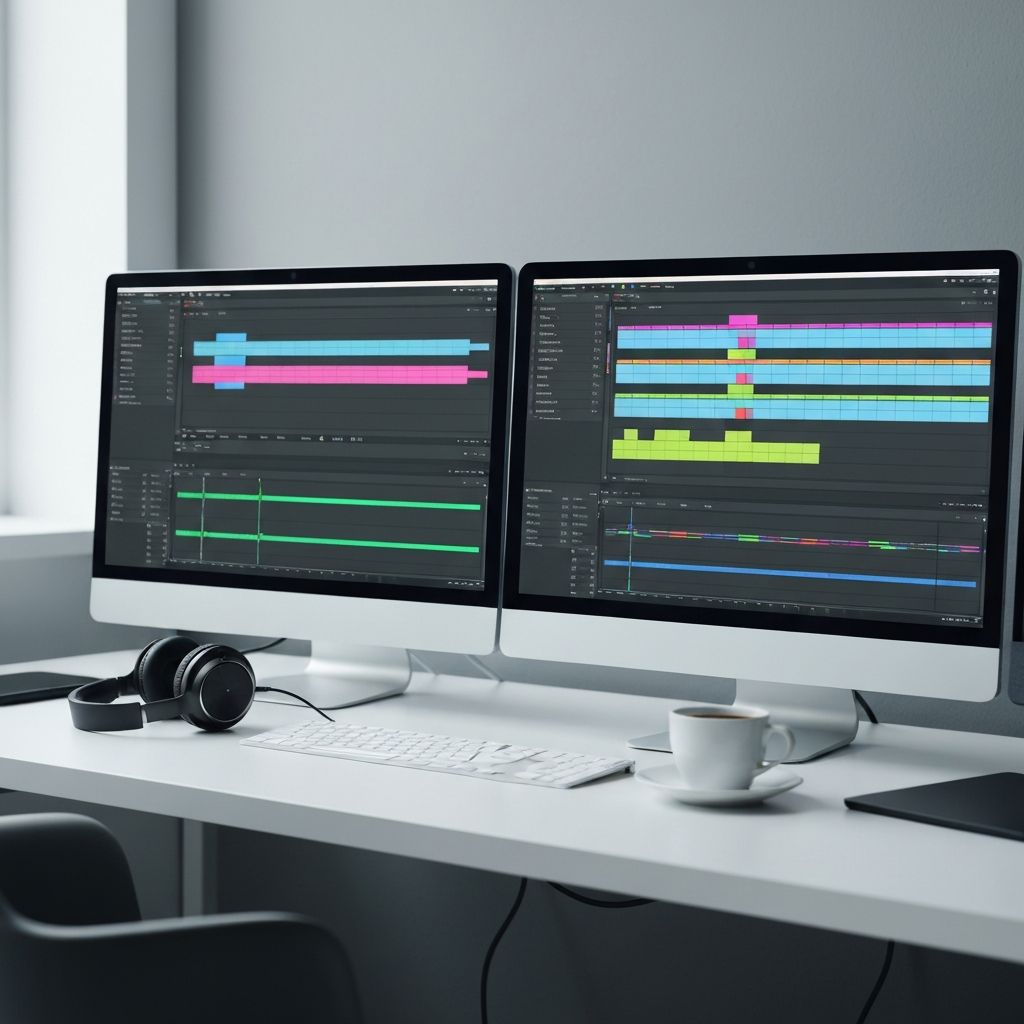
Common tools include Adobe After Effects, Cinema 4D, Apple Motion, and Blender for advanced work. For simpler projects, platforms like Canva, Figma's animation features, and Rive provide accessible options. The choice depends on the project's complexity and team skill set.
Conclusion
Motion graphics have evolved from a creative novelty into a marketing necessity. They blend storytelling, design, and movement to communicate ideas faster, more memorably, and more emotionally than static content alone. By integrating motion graphics across awareness, consideration, and post-purchase stages, brands can create cohesive experiences that capture attention and drive results. Invest in quality, align visuals with your brand, and distribute strategically across channels — and motion graphics will quickly become one of the most valuable tools in your marketing arsenal.