Motion Graphics Video Production: Elevate Your Brand With Motion Graphics Video Production
Motion graphics video production has become one of the most powerful tools in modern brand communication. By combining typography, illustration, animation, and sound, motion graphics turn abstract ideas, data, and processes into engaging visual stories. They simplify complex topics, reinforce brand identity, and capture attention in feeds where every second matters. Unlike live-action production, motion graphics offer almost limitless creative flexibility. They can visualize anything from financial concepts to scientific processes, from app workflows to brand histories, all without filming a single frame. For brands looking to stand out, educate, and convert, motion graphics deliver an unmatched mix of clarity, personality, and scalability.
How WebPeak Brings Motion Graphics to Life for Brands
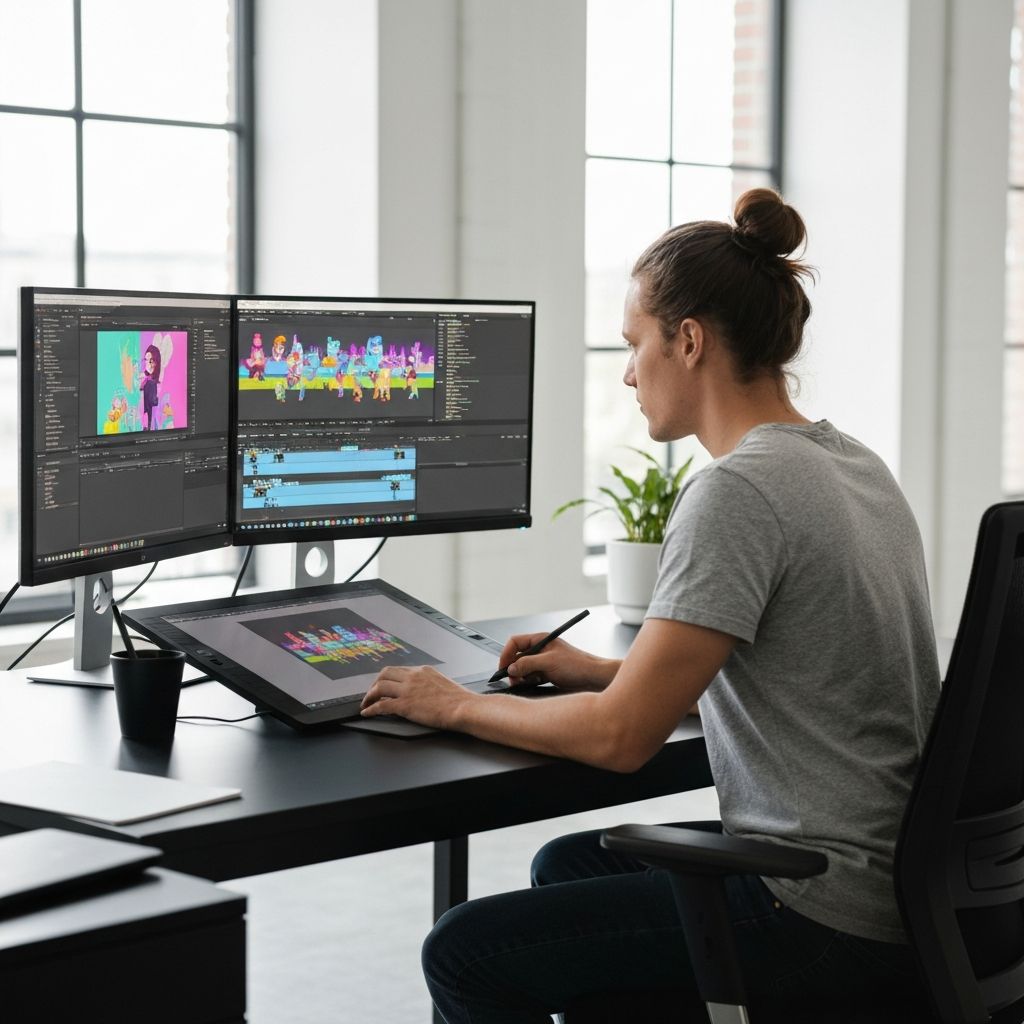
Producing motion graphics that feel both creative and on-brand requires a tight collaboration between strategists, designers, and animators. WebPeak brings all three under one roof, helping brands translate complex ideas into beautifully animated stories. Their team aligns every project with brand guidelines, audience needs, and platform requirements. They also offer integrated graphic design services that connect static visuals, illustrations, and motion into a single cohesive identity, ensuring every animated asset feels like a natural extension of the brand.
What Motion Graphics Are and Why They Work
Motion graphics are animated graphic design. They use shapes, text, icons, and illustrations that move and transform to tell a story. Unlike traditional cartoon animation, motion graphics tend to focus on information, ideas, and brand expression rather than character-driven narratives. They are especially effective for explainer videos, product demos, social ads, intros and outros, dashboards, data visualization, and brand identity stings.
Motion graphics work because they meet viewers where they are. On crowded social feeds, animated text and color movement stop the scroll faster than static images. On websites, short loops add life without slowing down navigation. In presentations and training, animated diagrams make abstract concepts tangible. Because they are built from layered design files rather than camera footage, motion graphics can be updated, localized, and repurposed quickly, making them an efficient long-term investment.
Types of Motion Graphics That Drive Brand Impact
Explainer videos use motion graphics to break down what a product does, how a service works, or why a problem matters. Typography-driven animations turn quotes, statistics, and headlines into shareable social posts. Logo animations and brand idents reinforce identity in intros, outros, and transitions. Kinetic infographics turn data into easy-to-understand visual stories.
Product UI animations show how an app or platform works in just a few seconds. Animated event packages, including stage screens and lower thirds, elevate live and hybrid experiences. Tutorial and onboarding animations guide users through new features without long demo videos. Social ads built with motion graphics test quickly across platforms and adapt easily to different aspect ratios. Choosing the right format depends on your goal, but most brands benefit from a flexible motion graphics library that supports multiple campaigns over time.
The Motion Graphics Production Process From Concept to Delivery
Strong motion graphics start with a clear brief. Define the audience, goal, key message, tone, and platform. Strategists and writers then craft a concise script that respects the rhythm of animation, where every word competes with movement on screen. From the script, art directors create style frames that establish the visual language, including color, typography, illustration style, and motion principles.
Once the style is approved, animators build storyboards and animatics that show timing and key transitions. After client review, full animation begins, supported by sound design, voiceover, and music that reinforce emotion and pacing. Finally, the team exports versions optimized for different platforms, including landscape, square, and vertical formats. Pairing the finished animation with strong content writing services ensures supporting captions, descriptions, and landing page copy align with the visual story and maximize conversion.
Distributing and Scaling Motion Graphics Across Channels
One of the biggest advantages of motion graphics is repurposability. A single hero animation can be cut into shorter teasers, looped GIFs, social posts, banner ads, and email assets. By planning these formats in advance, teams avoid expensive rework later. Building animations from modular design systems and shared assets makes future updates fast and inexpensive.
Distribution should match audience behavior. Use vertical, captioned, fast-paced edits for short-form social, longer explainers for websites and product pages, and looping animations for ads and ambient screens. Track watch time, completion rate, click-through rate, and conversion to identify which animations resonate. Over time, the data reveals which styles, lengths, and messages perform best, helping creative and marketing teams continually refine the brand's animated voice. Done well, motion graphics become a recognizable, repeatable signature that strengthens every campaign.
Frequently Asked Questions
What is motion graphics video production?
Motion graphics video production is the process of creating animated content using design elements like text, shapes, illustrations, and icons. It is widely used for explainer videos, social ads, branding, and data visualization.
How is motion graphics different from animation?
Animation is a broad category that includes character-driven storytelling. Motion graphics focus on animating design elements such as type, icons, and graphics, usually to communicate ideas, data, or brand messages rather than tell character stories.
How long should a motion graphics video be?
Most effective motion graphics videos are between fifteen and ninety seconds for marketing use. Longer explainers can run two to three minutes when the topic justifies it and the pacing stays tight.
Can motion graphics be reused across campaigns?
Yes. Because motion graphics are built from layered design files, sections can be re-cut, restyled, or localized into new languages quickly. This makes them an efficient long-term investment compared to live-action content.
How do motion graphics support brand identity?
Consistent typography, color, and motion behavior reinforce brand recognition across every animated asset. Over time, audiences begin to associate specific motion patterns and visual styles with the brand, strengthening recall.
Conclusion
Motion graphics video production gives brands a flexible, powerful, and highly repurposable way to communicate ideas that words and static images simply cannot match. By investing in a clear visual system, strong scripts, and disciplined production, you can build a library of animations that elevate every campaign, training program, and social channel. Whether you are simplifying a complex product, visualizing data, or strengthening brand identity, motion graphics deliver clarity, personality, and impact at scale. Approach them strategically, build them with care, and your animated assets will keep working hard across every screen where your audience spends time.