Email Marketing Is Not Dead — Here's How to Get 40%+ Open Rates in 2026
Every few years, someone declares email marketing dead. Social media was supposed to kill it. Then push notifications. Then chatbots. Yet here we are in 2026, and email remains one of the highest-ROI channels available to marketers — delivering an average return of $36 for every $1 spent. The problem isn't email. The problem is how most businesses use it.
If your open rates are stuck in the 15–20% range, you're not failing at email — you're just not using it right. The brands consistently pulling 40%, 50%, even 60% open rates aren't doing anything magical. They're doing the fundamentals exceptionally well, and layering in smart, data-driven tactics that most competitors ignore.
This guide breaks down exactly how to get there in 2026. Whether you're a small business owner, a marketing manager, or someone building a new list from scratch, these strategies are actionable, proven, and people-first.
Why Most Email Campaigns Underperform
Before we talk about what works, let's talk about what doesn't. The majority of low-performing email campaigns share the same core mistakes:
1. Treating Every Subscriber the Same
Batch-and-blast is dead. Sending the same email to your entire list — regardless of behavior, location, purchase history, or interest — tells your subscribers that you don't know them. And when people feel like a number, they stop opening.
2. Weak Subject Lines
Your subject line is the first — and sometimes only — thing your subscriber sees. If it doesn't create curiosity, urgency, or a compelling reason to click, it doesn't matter how good the content inside is. Most brands spend 90% of their effort on email body copy and 10% on subject lines. That ratio should be reversed.
3. Bad Timing
Sending emails at random times, or defaulting to "Tuesday morning" without testing, leaves huge opportunity on the table. The best send time depends on your specific audience — and it's not always what the industry benchmarks suggest.
4. No List Hygiene
Sending to unengaged subscribers hurts your deliverability score. When Gmail, Outlook, and other providers see that your emails are being ignored or marked as spam, they start routing your messages to the promotions tab — or the spam folder entirely. A smaller, engaged list always outperforms a large, neglected one.
The 2026 Playbook: Strategies That Drive 40%+ Open Rates
Segment Like You Mean It
Segmentation is the single most powerful lever you can pull to improve open rates. Break your list into meaningful groups based on:
- Engagement level: Active openers vs. cold subscribers
- Purchase behavior: First-time buyers, repeat customers, high-value clients
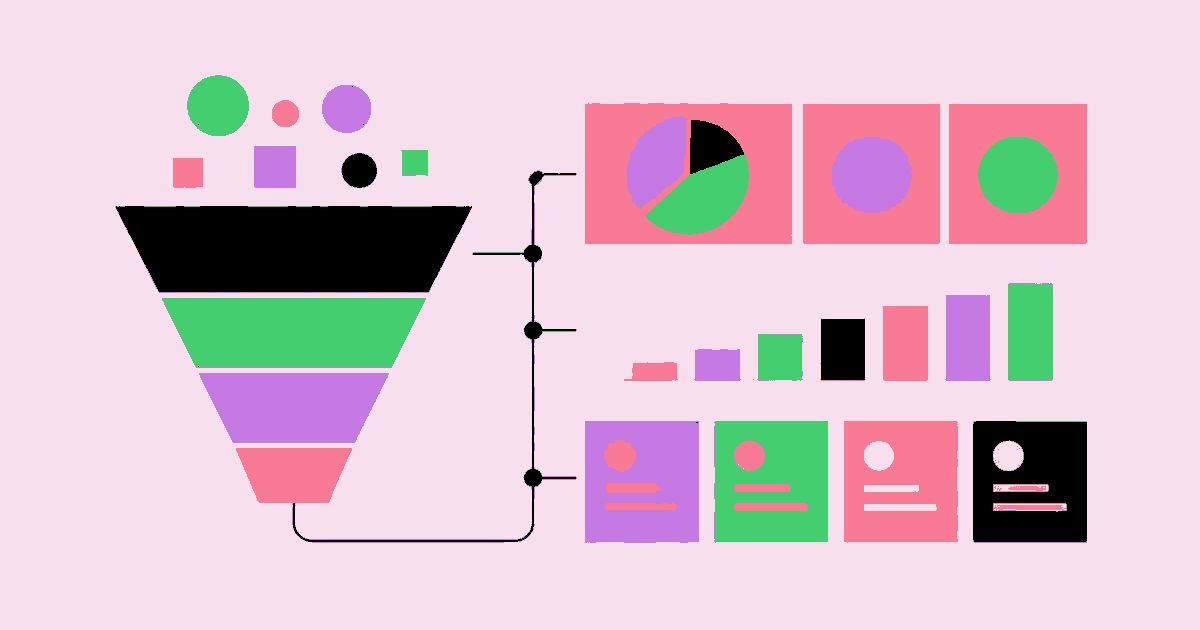
- Stage in the funnel: New leads, prospects, loyal advocates
- Geographic location: Especially relevant for timezone-based sending
- Content preferences: What topics or products they've clicked on before
When your email speaks directly to someone's situation, they feel seen — and they open. Segmented campaigns have been shown to generate up to 760% more revenue than one-size-fits-all blasts. Start with three to five core segments and expand from there.
Master the Subject Line
Your subject line has one job: get the open. Here's what consistently works in 2026:
- Curiosity gaps: "The one thing your competitors aren't doing (yet)"
- Personalization: Using the subscriber's first name or referencing their behavior
- Numbers and specificity: "5 changes that doubled our open rate in 30 days"
- Urgency without manipulation: Real deadlines, not fake countdowns
- Conversational tone: Write like a person, not a press release
Always A/B test your subject lines. Most email platforms let you test two variants automatically. Over time, this data compounds into significant open rate gains. Also don't neglect the preheader text — it's the second line people see in their inbox, and it can make or break the open decision.
Optimize Your Send Time Using Your Own Data
Forget industry averages. Your audience is unique. Use your email platform's analytics to identify when your highest open rates occur, then build a sending schedule around those windows. Many modern platforms now use AI-powered send-time optimization to deliver emails at the exact moment each individual subscriber is most likely to open. This alone can lift open rates by 10–20% without changing a word of your copy.
Clean Your List Regularly
Every 90 days, run a re-engagement campaign for subscribers who haven't opened in three to six months. Something simple like "Are we still good?" or "We miss you — here's something special" works well. If they don't respond, remove them. Yes, even if it shrinks your list. Your deliverability will improve, your open rates will climb, and you'll stop paying for dead weight in your email platform subscription.
Use Behavioral Triggers and Automation
Automated emails triggered by user actions consistently outperform broadcast emails. Welcome sequences, abandoned cart emails, post-purchase follow-ups, anniversary emails — these feel personal because they are personal. They're sent at the exact moment your subscriber is thinking about you. In 2026, if you're not using behavioral automation, you're leaving your best engagement opportunities on the table.
At WebPeak, we work with businesses across industries to build smarter, more strategic digital marketing systems — and email is almost always central to the most effective setups.
Write for One Person, Not a List
The best-performing emails feel like they were written specifically for the reader. Use "you" language. Reference real scenarios your audience faces. Tell stories. Share opinions. The more your email sounds like a thoughtful human wrote it for a specific reader, the more likely it is to be opened, read, and acted upon. People don't want newsletters. They want relevant, useful communication.
Nail Your Sender Name and "From" Address
Open rates are heavily influenced by who the email is from. "Jessica at BrandName" consistently outperforms "BrandName Newsletter." People open emails from people. If your emails are coming from a no-reply address or a generic company inbox, change that immediately. Build familiarity by using the same sender name consistently so subscribers recognize and trust who they're hearing from.
Technical Foundations That Support High Open Rates
Authenticate Your Domain Properly
SPF, DKIM, and DMARC authentication are non-negotiable in 2026. Email providers use these records to verify that your emails are legitimate and not spoofed. Without proper authentication, your deliverability suffers — and emails that don't land in the inbox can't be opened. Check your domain authentication settings today if you haven't done so recently.
Keep Your Email Design Clean and Mobile-First
Over 60% of emails are now opened on mobile devices. If your email design doesn't render well on a phone screen — too many columns, tiny text, images that don't load — readers will delete it without reading. Keep layouts simple: one column, large enough font sizes, clear CTAs, and fast-loading visuals. Less is genuinely more.
Monitor Your Sender Reputation
Your sender reputation is like a credit score for email deliverability. It's influenced by spam complaints, bounce rates, engagement rates, and authentication. Use tools like Google Postmaster Tools to monitor your domain and IP reputation. If your reputation dips, your inbox placement suffers and open rates drop even if everything else is perfect.
The Role of Professional Email Marketing Strategy
Consistently achieving 40%+ open rates isn't a one-time win — it's a system. It requires ongoing testing, optimization, list management, and creative refinement. That's why many growing businesses partner with specialists rather than trying to manage it all in-house.
If you want results like this for your business without spending months figuring it out, working with a team experienced in professional email marketing services can fast-track your results significantly. The right partner brings tested frameworks, platform expertise, and creative strategy — so you're not guessing, you're executing.
Putting It All Together
Email marketing in 2026 rewards the brands that treat their subscribers like real people — not impressions, not data points, not wallets. When you segment thoughtfully, write with personality, optimize relentlessly, and maintain technical best practices, 40%+ open rates aren't just possible. They become your new normal.
The brands losing at email right now are those still playing by 2018 rules: generic blasts, weak subject lines, no segmentation, and a hope-for-the-best approach to deliverability. The brands winning are building genuine relationships through every send — and the results show up clearly in the numbers.
Start with one change this week. Clean your list, test a new subject line format, or set up a simple welcome sequence if you don't have one. Build from there. Email marketing is very much alive — and for the businesses willing to do it right, it remains the most powerful direct channel available.