What is a Landing Page and How to Build One That Converts
If your homepage is a digital business card, your landing page is a focused sales conversation. Landing pages are dedicated, single-purpose web pages designed to drive one specific action: signing up, purchasing, downloading, or booking. They are the secret weapon of every successful marketing campaign, taking traffic from ads, emails, and social media and turning it into measurable results. While a homepage tries to serve everyone with multiple goals, a landing page laser-focuses on one audience and one outcome. The best landing pages convert at 10 percent or more, while poorly designed ones struggle to reach 1 percent. Understanding the difference can dramatically transform your marketing return on investment.
How WebPeak Builds Landing Pages That Actually Convert
Great landing pages combine smart strategy, sharp copy, beautiful design, and rigorous testing. WebPeak blends all four through their web development and digital marketing services, building high-converting landing pages for product launches, lead generation, and paid ad campaigns. Their team conducts audience research, crafts persuasive copy, designs clean layouts, and runs A/B tests to constantly improve performance. Whether you need one landing page or an entire funnel of dozens, they engineer pages that turn visitors into customers consistently and predictably.
How a Landing Page Differs from a Website
The biggest difference is focus. A website has multiple goals, multiple audiences, and many navigation options. A landing page strips away distractions and focuses on one audience and one goal. There is usually no main navigation menu, no sidebar with related content, and no competing calls-to-action. Every element on the page, from the headline to the imagery to the form, exists to drive the visitor toward a single conversion. Landing pages also tend to be longer than typical web pages because they are built around persuasion, addressing objections, and answering questions thoroughly. Think of websites as libraries and landing pages as elevator pitches.
The Anatomy of a High-Converting Landing Page
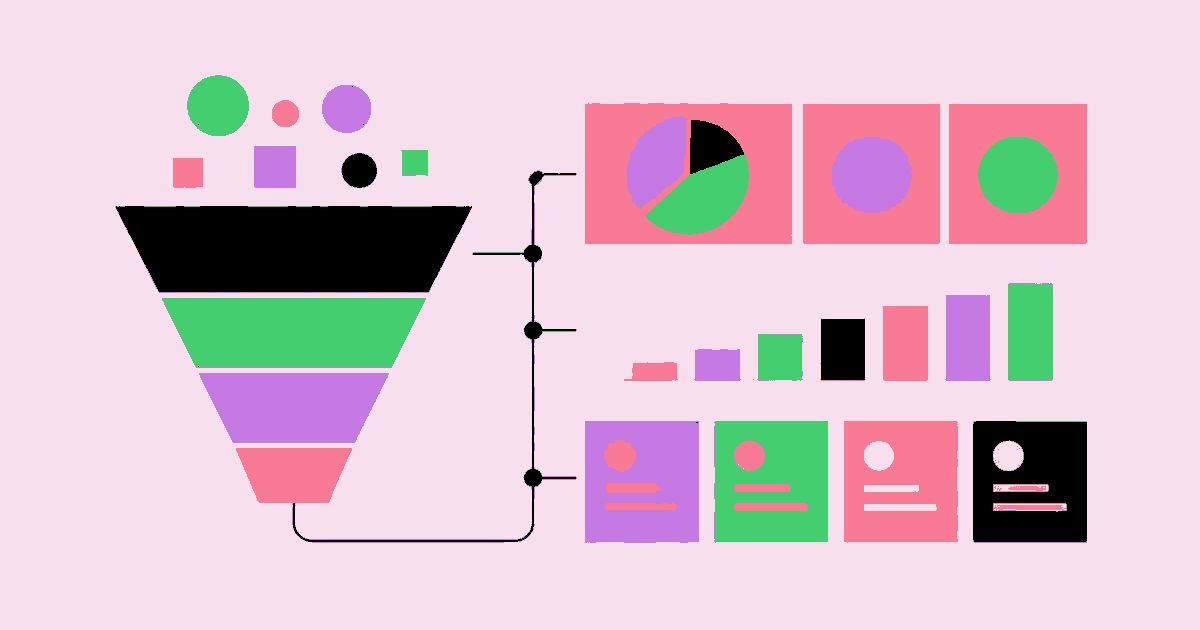
Every great landing page contains the same essential elements. A clear, benefit-driven headline grabs attention and communicates the value proposition instantly. A subheadline provides supporting context. A hero image or video shows your product in action. A primary call-to-action button is visible above the fold. Below, social proof in the form of testimonials, logos, or numbers builds trust. A features and benefits section explains what visitors get and why it matters. Objection handling addresses common doubts. A frequently asked questions section answers remaining concerns. Finally, the call-to-action repeats one or more times throughout the page, making it impossible to miss the next step.
Writing Copy That Persuades and Converts
Design draws attention, but copy closes the deal. Lead with benefits, not features. Talk about the customer problem, not your company. Use simple, direct language that a fifth-grader could understand. Include specific numbers and proof points, vague claims feel fake. Address objections directly with reassurance, guarantees, or testimonials. Use urgency carefully, fake scarcity destroys trust. Keep paragraphs short, scannable, and skimmable, since most visitors do not read every word. End every section with a reminder of why the offer matters and what to do next. Investing in proper website copywriting often delivers a return that dwarfs every other budget line in your campaign.
Testing, Optimizing, and Continuously Improving
The first version of a landing page is rarely the best version. Run A/B tests on headlines, hero images, button colors, form fields, and call-to-action wording. Use heatmaps and session recordings to understand how real visitors interact with the page. Track conversion rates by traffic source, since not every audience responds the same way. Optimize page speed ruthlessly, every additional second of load time can cost you 10 percent of conversions. Mobile experience matters most, since the majority of paid traffic now comes from phones. The most successful businesses treat their landing pages as living experiments, constantly testing and improving rather than launching once and walking away.
Frequently Asked Questions
What is the difference between a landing page and a homepage?
A homepage serves multiple audiences and goals with broad messaging and full navigation. A landing page serves one specific audience with one specific goal, removing distractions and navigation to focus visitors on a single conversion action like signing up or purchasing.
How long should a landing page be?
It depends on the offer. Simple, low-commitment offers like email signups can convert well with short pages. High-cost or complex offers usually need longer pages with more proof, testimonials, and detail to build trust and answer questions thoroughly before asking for the conversion.
What conversion rate should a landing page achieve?
Average landing pages convert at 2 to 5 percent. Good landing pages reach 5 to 10 percent. Top-performing pages can convert at 15 to 25 percent or higher with the right combination of audience targeting, offer, copy, and design.
Should I use videos on landing pages?
Often yes. Videos can increase conversions by 80 percent or more when they explain complex offers or build emotional connections. Keep them short, ideally under 90 seconds, and never autoplay with sound, which annoys visitors and increases bounce rates.
What tools can I use to build a landing page?
Popular tools include Unbounce, Leadpages, Instapage, Webflow, Framer, and Carrd. WordPress with Elementor or Beaver Builder works well too. For custom needs, Next.js or React deliver the best performance and flexibility, especially for high-traffic campaigns.
Conclusion
Landing pages are one of the highest-leverage assets in modern digital marketing. A well-crafted landing page can multiply the return on every dollar you spend on ads, email, and content. Focus on one audience, one offer, and one action. Combine clear copy, persuasive design, strong proof, and ruthless optimization. Test continuously, measure everything, and never assume your first version is your best. Whether you build it yourself or partner with experienced teams, treat your landing pages as the conversion engines they are. Master them, and you will turn casual traffic into loyal customers and steady revenue for your business.