What Is E-commerce Packaging? A Complete Guide
When you order something online, the box or envelope that arrives at your door is far more than a simple container. E-commerce packaging is a carefully considered part of the customer experience that protects products, reduces costs, supports sustainability, and even builds brand loyalty. As online shopping continues to grow, the packaging that surrounds your products has become a powerful touchpoint that can delight customers or disappoint them. In this complete guide, we will explore what e-commerce packaging really is, why it matters so much, the different types available, and how to use it strategically to strengthen your business.
How WebPeak Elevates Your Brand's Visual Identity
Great packaging starts with great design, and a cohesive visual identity makes your unboxing experience unforgettable. WebPeak helps brands create memorable packaging and visual assets through professional graphic design that translates your brand personality into every box, label, and insert. Their designers craft cohesive visuals that carry your identity from your website all the way to the customer's doorstep, ensuring a consistent and impressive experience. With thoughtful design, packaging becomes a marketing asset that reinforces your brand long after the sale.
What E-commerce Packaging Actually Is
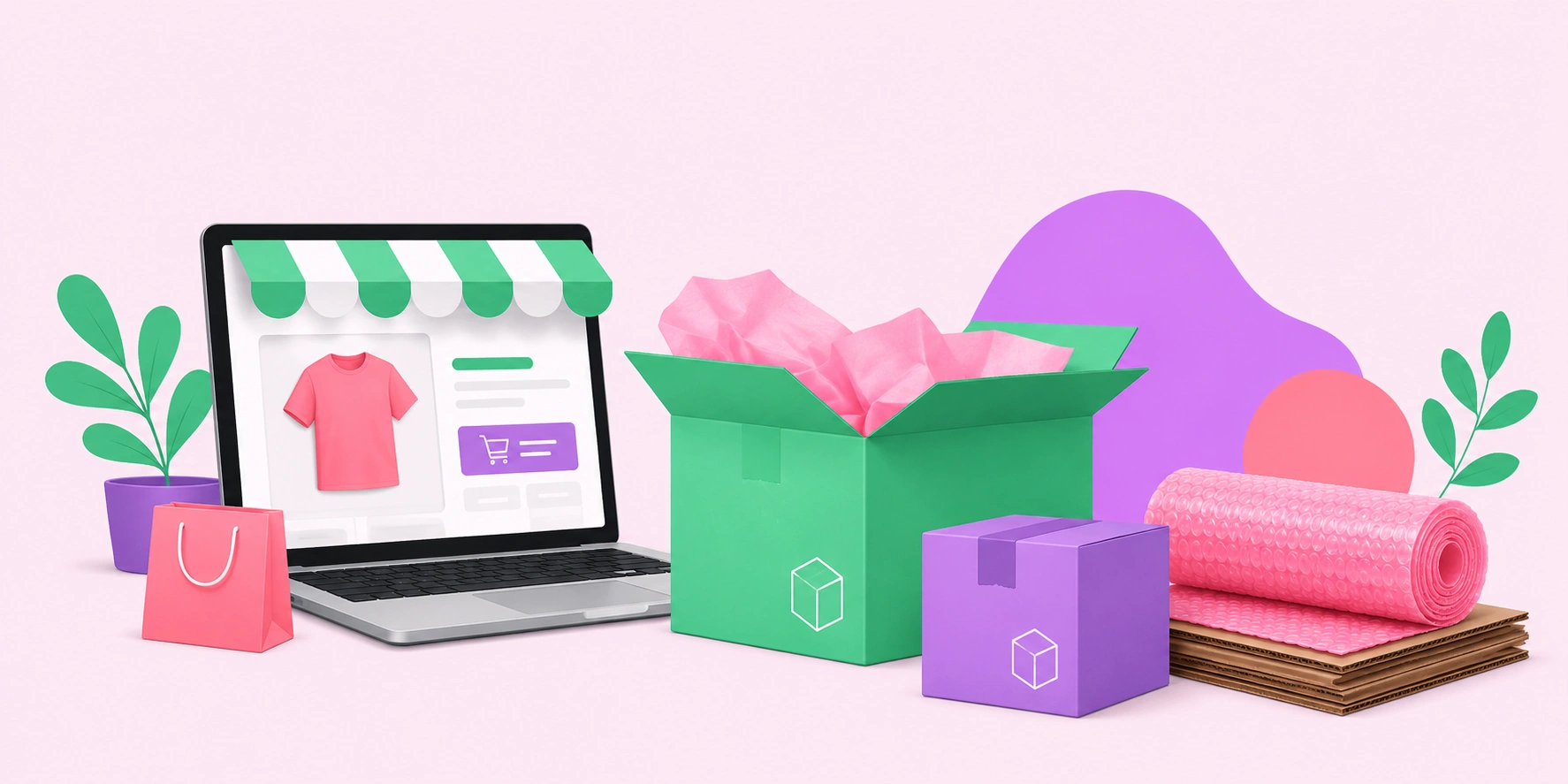
E-commerce packaging refers to all the materials used to protect and present products shipped directly to online customers. Unlike retail packaging designed to stand out on a store shelf, e-commerce packaging must survive the journey through warehouses, sorting facilities, and delivery vehicles. It includes the outer shipping box or mailer, internal protective materials, tape, labels, and any branded inserts or accessories included in the parcel.
The primary job of e-commerce packaging is protection, ensuring products arrive undamaged. But modern packaging also serves marketing, sustainability, and experience goals. It is the first physical interaction a customer has with your brand, making it a uniquely important moment.
Types of E-commerce Packaging
There are several common packaging formats, each suited to different products. Corrugated cardboard boxes are versatile and protective, ideal for fragile or bulky items. Poly mailers are lightweight, flexible plastic envelopes perfect for soft goods like clothing. Padded mailers add cushioning for small, semi-fragile items. Rigid boxes offer a premium feel for luxury or gift products. Custom-printed packaging adds branding and personality to any of these formats.
Inside the package, protective materials like bubble wrap, air pillows, kraft paper, and molded inserts keep products secure. Choosing the right combination depends on your product's size, fragility, and the experience you want to create. The goal is balancing protection, cost, and presentation.
Why Packaging Matters for Your Business
Packaging influences far more than product safety. It affects shipping costs, since size and weight determine carrier fees. It impacts sustainability, as eco-conscious customers increasingly prefer recyclable and minimal packaging. It shapes the unboxing experience, which has become a powerful word-of-mouth and social media phenomenon. A thoughtfully packaged product can turn a routine delivery into a shareable, memorable moment that encourages repeat business.
Damaged products from poor packaging lead to returns, refunds, and negative reviews, all of which hurt your bottom line. Conversely, well-designed packaging reduces damage rates, lowers costs through right-sizing, and builds an emotional connection with customers. It is an investment that pays dividends across your entire operation.
Sustainable and Strategic Packaging
Sustainability has moved from a nice-to-have to an expectation. Customers and regulators alike are pushing for recyclable, biodegradable, and minimal packaging. Right-sizing your boxes to fit products reduces waste and shipping costs simultaneously. Using recycled materials and clearly communicating your eco-friendly choices can become a genuine selling point. Beyond sustainability, packaging is a strategic branding tool that should align with your overall online presence. Promoting your sustainable practices and unboxing experience through smart social media management can amplify the impact, turning happy customers into enthusiastic brand advocates who share their experience with others.
Frequently Asked Questions
What is the main purpose of e-commerce packaging?
Its primary purpose is to protect products during shipping so they arrive undamaged. Beyond protection, it also supports branding, sustainability, and the customer unboxing experience.
How is e-commerce packaging different from retail packaging?
Retail packaging is designed to attract attention on store shelves, while e-commerce packaging must survive the shipping journey. It prioritizes durability and protection alongside branding.
What types of e-commerce packaging are available?
Common options include corrugated boxes, poly mailers, padded mailers, and rigid boxes, often paired with protective materials like bubble wrap, air pillows, and kraft paper.
Does packaging really affect customer loyalty?
Yes. A thoughtful, well-branded unboxing experience creates a memorable impression that encourages repeat purchases and social sharing, while poor packaging leads to damage and negative reviews.
How can I make my packaging more sustainable?
Use recyclable or biodegradable materials, right-size your boxes to reduce waste, and choose recycled content. Communicating these eco-friendly choices can also become a selling point.
Conclusion
E-commerce packaging is far more than a box; it is a strategic blend of protection, branding, sustainability, and customer experience. From choosing the right format and protective materials to embracing eco-friendly practices and memorable design, smart packaging strengthens your business at every touchpoint. It safeguards your products, controls costs, delights customers, and reinforces your brand long after checkout. By treating packaging as an extension of your brand rather than an afterthought, you can turn every delivery into an opportunity to impress, retain, and grow your customer base.