Is E-commerce Legit? A Clear Look at Online Selling
If you have ever wondered whether e-commerce is a legitimate way to do business or just an overhyped trend full of scams, you are not alone. With countless stories of online fraud, dropshipping schemes, and "get rich quick" promises, it is reasonable to be skeptical. Yet at the same time, some of the world's most successful companies are built entirely on online sales. So what is the truth? E-commerce is absolutely legitimate, but like any business model, it includes both honest operators and bad actors. This article explains how e-commerce really works, why it is a credible business model, and how to tell trustworthy stores from scams.
How WebPeak Helps You Build a Credible Online Store
Trust is the currency of online selling, and a professional, secure, well-designed store is what convinces customers you are the real deal. WebPeak helps entrepreneurs and established brands launch legitimate, trustworthy stores through reliable e-commerce solutions built for security and performance. Their team focuses on the details that signal credibility, from secure checkout and clear policies to fast, polished design that reassures visitors. By building your store on a solid technical and visual foundation, they help you earn customer confidence and turn first-time visitors into repeat buyers.
Why E-commerce Is a Legitimate Business Model
E-commerce is simply the practice of buying and selling goods or services online, and it is as legitimate as any traditional retail business. Global online sales account for trillions of dollars annually, and major corporations, small businesses, and individual entrepreneurs all rely on it. The model works because it removes geographic barriers, reduces overhead compared to physical stores, and lets sellers reach customers around the clock.
From established marketplaces to independent boutique stores, e-commerce supports an enormous variety of legitimate businesses. The technology behind it, including secure payment processing, encrypted data, and reliable shipping logistics, has matured to the point where online transactions are routine and safe for billions of people worldwide.
Where the Skepticism Comes From
The doubts around e-commerce usually stem from scams and misleading schemes rather than the model itself. Fake online stores that take payment and never ship products, counterfeit goods, and exaggerated business opportunity courses have given some corners of the industry a bad name. The low barrier to entry that makes e-commerce accessible also makes it easy for dishonest operators to set up quickly and disappear.
It is important to separate these bad actors from the legitimate majority. The existence of scams does not make e-commerce illegitimate any more than a few dishonest shops make all physical retail a fraud. The key is learning how to identify trustworthy businesses.
How to Spot a Trustworthy Online Store
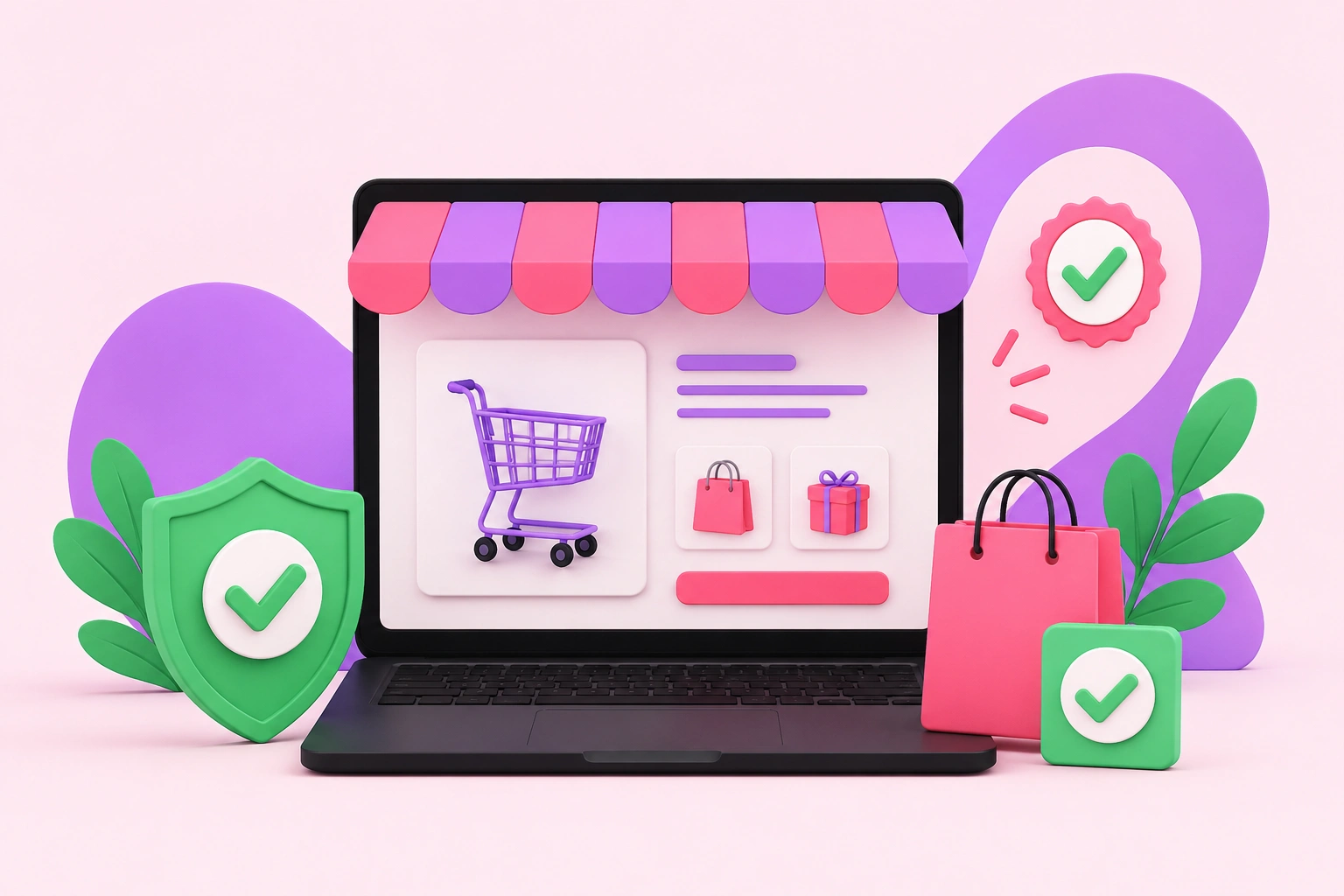
There are clear signs that an online store is legitimate. Look for secure checkout indicated by HTTPS and recognizable payment options. Check for transparent contact information, including a physical address and customer support. Read reviews from multiple independent sources, not just testimonials on the store's own site. Review clear shipping, return, and refund policies. Be cautious of prices that seem too good to be true or stores that pressure you with extreme urgency.
A professional design, consistent branding, and an active social media presence also signal a real business. Scam sites often have sloppy writing, missing policies, and no verifiable track record. A little research before buying goes a long way toward avoiding bad experiences.
Building Trust as a Seller
If you are running an online store, earning trust is your most important job. Customers need reassurance that you are real, reliable, and worth their money. Invest in a secure, professional website, display clear policies, offer responsive customer service, and showcase authentic reviews. Strengthening your visibility and reputation through smart SEO also helps customers discover you organically, which adds another layer of credibility. When people find your store ranking well and backed by genuine content, they are far more likely to trust and buy from you.
Frequently Asked Questions
Is e-commerce a legitimate way to make money?
Yes. E-commerce is a proven, legitimate business model responsible for trillions in annual sales. Businesses of all sizes, from global brands to solo entrepreneurs, build real revenue selling online.
Why do people think e-commerce is a scam?
The skepticism comes from scam stores, counterfeit goods, and exaggerated business courses, not the model itself. A low barrier to entry makes it easy for dishonest operators to appear, but they are the minority.
How can I tell if an online store is real?
Check for secure HTTPS checkout, transparent contact details, clear policies, and independent reviews. Be wary of prices that seem too good to be true or high-pressure urgency tactics.
Is it safe to enter payment details online?
It is generally safe on reputable stores that use secure, encrypted checkout and trusted payment providers. Always confirm the site uses HTTPS and offers recognizable payment methods before buying.
How do I build trust for my own store?
Use a secure, professional website, display clear policies, provide responsive support, and show authentic reviews. Strong search visibility and consistent branding further reinforce your credibility.
Conclusion
So, is e-commerce legit? Without a doubt, yes. It is a mature, trillion-dollar business model that powers everything from global corporations to independent shops. The scams that grab headlines are the exception, not the rule, and they can be avoided with a bit of awareness and research. Whether you are a shopper looking for trustworthy stores or an entrepreneur building one, the path to safe and successful online commerce runs through security, transparency, and credibility. Build or buy with those principles in mind, and e-commerce becomes one of the most rewarding opportunities available today.