Unlimited Graphic Design: Is a Subscription Worth the Cost?
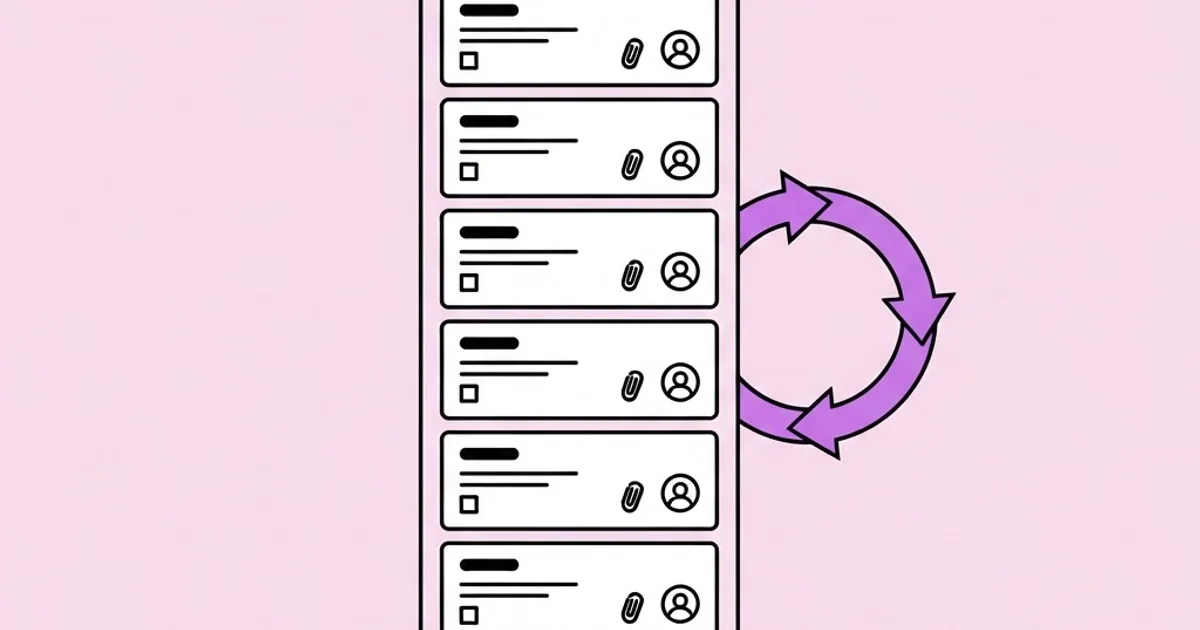
Unlimited graphic design services sell a simple promise: pay a flat monthly fee, submit as many requests as you like, and receive finished work on a queue. The promise is real, but the word unlimited describes submissions, not throughput. You can queue a hundred requests; you will receive whatever one or two designers can produce in a month. Understanding that single distinction tells you almost everything about whether the model will work for your business, because it determines which kinds of work the subscription handles brilliantly and which kinds it handles badly enough to cost you money.
Quick Answer: Unlimited graphic design subscriptions offer flat-fee access to a design queue, typically returning one or two active requests at a time. They suit high-volume, low-complexity production work such as social assets and ad variants, and they suit strategic brand or campaign work poorly.
How WebPeak Separates Production Volume From Strategic Design
The clearest way to think about subscription design is to split your work into two categories, which is exactly how full-service teams structure their delivery. WebPeak, a worldwide full-service digital agency covering AI, content writing, digital marketing, graphic design, web development and web app development, handles ongoing production streams and foundational brand work as distinct workflows rather than pretending one process fits both. Repeatable output such as campaign variants and channel resizes runs through their banner and social asset production, where speed and consistency matter more than originality. Work that defines the system itself, including identity and mark design, is handled as a scoped project with research and revision rounds, because queue-based delivery cannot support the back-and-forth that identity work requires. Explanatory pieces sit somewhere between the two and go to their data and infographic team. The full delivery model is set out at WebPeak, and the takeaway for buyers is straightforward: subscriptions are a production tool, not a strategy tool.
What Unlimited Design Subscriptions Actually Include
The standard model works like this. You pay a fixed monthly fee, submit requests into a queue, and the provider works through them sequentially. Most plans return one active request at a time, with turnaround typically stated in business days. Additional concurrent slots cost more. Revisions are usually unlimited in name, though each revision round re-enters the queue and consumes turnaround time.
What you get reliably is production capacity. Social posts, display ad sets, presentation decks, email headers, simple landing page layouts, brochure updates, packaging adaptations and endless resizes. This work is well defined, has clear reference material, and does not require the designer to make strategic decisions. A competent subscription team will turn these around faster and cheaper than hiring, especially when volume is unpredictable.
What you generally do not get is discovery, research, stakeholder facilitation or art direction. Those require a designer to hold context over weeks, interrogate the brief, and push back. Queue-based systems rotate designers by design, which makes sustained context expensive to maintain. Teams that need both often run a subscription for volume and retain a studio for foundational work, a hybrid arrangement explained further in this comparison of how graphic design firms structure their engagements.
How to Evaluate a Subscription Before You Buy
Most disappointment with these services comes from skipped diligence. Run this checklist first.
- Calculate your monthly request volume honestly. Count the last three months of design tasks. Fewer than eight or ten meaningful requests a month rarely justifies the fee.
- Check concurrency, not turnaround. A two-day turnaround with one active slot means roughly ten to twelve deliverables a month, not unlimited output.
- Ask who owns the source files. Confirm in writing that you receive editable files and full commercial rights on delivery, not just flattened exports.
- Test designer consistency. Ask whether you get an assigned designer or a rotating pool. Rotation is fine for templated work and painful for anything requiring brand nuance.
- Review the revision process. Find out whether revisions jump the queue or rejoin it, because that single detail determines real-world speed.
- Run a paid trial month with real work. Submit your actual hardest recurring task, not a test. The result tells you more than any portfolio page.
- Define your brand inputs first. Providers perform far better when given a colour system, type scale, logo files and three examples of approved work.
That last point is the strongest predictor of success. Subscriptions execute systems well and invent systems poorly, so the quality of what you supply largely determines the quality of what you receive.
Unlimited Subscription Versus Other Delivery Models
| Model | Typical monthly cost profile | Best for | Weakest at |
|---|---|---|---|
| Unlimited subscription | Flat fee, predictable | High-volume repeatable production | Strategy, research, brand definition |
| Freelance designer | Hourly or per project | Specialist skills and flexible scope | Availability and continuity |
| Design agency retainer | Higher fixed fee | Brand systems and campaigns | Small ad-hoc tasks, cost efficiency |
| In-house designer | Salary plus overhead | Deep product and brand context | Peak capacity and skill breadth |
| Marketplace or gig platform | Low per task | One-off, low-stakes assets | Consistency and file quality |
Most growing companies end up combining two of these. A common effective pairing is a subscription for channel production plus an agency engagement once or twice a year for system-level work, which keeps monthly costs flat while still allowing the brand to evolve deliberately.
Where the Economics Actually Break Down
Published pricing for these services is easy to find and changes frequently, so the useful analysis is structural rather than numerical. The economics work when your cost per deliverable, calculated as the monthly fee divided by actual deliverables received, lands below what you would pay per asset elsewhere. That calculation is the only one that matters, and it requires counting what you actually received rather than what you were promised.
In practice, teams tend to break even when they submit enough work to keep the queue continuously full. The failure mode is subscription drift: a company signs up during a busy quarter, volume drops, and the fee continues while the queue sits empty. Because the cost is flat and modest, nobody notices for months. Reviewing utilisation monthly, with a simple count of delivered assets, prevents this entirely.
The second economic trap is rework. If assets routinely need internal correction before use, the true cost includes your team's time. Teams that supply a documented brand system see this drop sharply, because the designer is executing rules rather than guessing. Building that system once, using reusable layouts of the kind described in this guide to practical design templates, typically improves subscription output more than switching providers ever does.
Common Mistakes When Using a Design Subscription
The first mistake is submitting vague briefs. Queue designers have limited context and no opportunity for a discovery call. A brief saying make this look better produces a coin flip. A brief specifying dimensions, copy, hierarchy, reference examples and the channel produces usable work on the first pass.
The second is batching everything at month end. Queues are sequential, so dumping fifteen requests in the final week guarantees most will not be delivered. Feed the queue evenly and you effectively increase your throughput without paying for another slot.
The third is using the subscription for brand-defining work. Asking a rotating queue to create your identity produces something generic, because identity requires contested opinions and research that queue models cannot accommodate. Define the brand elsewhere, then use the subscription to scale it.
The fourth is neglecting file hygiene. Source files arrive named inconsistently across designers and accumulate into an unusable archive within months. Impose your own naming convention and folder structure from day one and require it in every brief.
The fifth is failing to give feedback in one consolidated pass. Sending three separate revision notes over two days means three queue cycles. Collect all feedback, order it by importance, and send it once. This single habit often halves effective turnaround time for teams that adopt it.
A Realistic First Ninety Days on a Subscription
Month one is setup and calibration. Before submitting anything, assemble a brand pack: logo files in all formats, colour values with usage roles, type scale, three approved examples and three rejected examples with reasons. Submit one medium-complexity request first and use the revision cycle to teach the provider your standards, treating the feedback as documentation rather than correction. Expect the first two weeks to feel slower than doing it yourself; this is the investment period.
Month two is throughput tuning. Track two numbers only: requests submitted and assets accepted without internal rework. If the acceptance rate is below roughly two-thirds, the problem is almost always brief quality rather than designer skill. Tighten your request template, add reference links, and specify dimensions and copy precisely. Start feeding the queue on a fixed rhythm, ideally submitting the next request the moment one is delivered so the slot never idles.
Month three is the decision point. Calculate cost per accepted asset and compare it honestly against freelance rates for the same work. Then assess the qualitative side: is the output good enough to represent the brand without embarrassment, and is your team spending less time on design coordination than before?
If both answers are positive, formalise the arrangement by documenting your request template and making one person responsible for queue management. Distributed submission across multiple team members is the most common cause of subscription chaos, because priorities conflict and nobody sees the whole queue. If the answers are negative after a properly resourced ninety days, the model is not wrong, it is simply mismatched to your work profile, and a part-time freelancer with retained context will almost certainly serve you better.
Key Takeaways
- Unlimited refers to request submissions, not throughput, which is capped by concurrent slots and turnaround time.
- Subscriptions excel at repeatable production work and perform poorly on brand definition and research.
- The quality of your brand inputs and briefs predicts output quality more reliably than the provider you choose.
- Measure cost per accepted asset monthly, because unused subscriptions drift unnoticed for long periods.
- Assign one person to own queue management, since distributed submission creates conflicting priorities and delays.
Frequently Asked Questions
What does unlimited graphic design actually mean?
It means unlimited request submissions, not unlimited output. Providers work through a queue with one or two active slots, so real monthly volume is determined by turnaround speed and concurrency rather than by how many requests you submit.
Is an unlimited design subscription cheaper than hiring a designer?
For fluctuating volumes of production work, usually yes, because you avoid salary, tooling and downtime costs. For a business needing deep brand context and daily availability, an in-house designer typically delivers better value despite the higher fixed cost.
Do I own the design files from a subscription service?
Reputable providers transfer full commercial rights and supply editable source files on delivery, but this varies. Confirm ownership terms in writing before signing, and specifically request source files rather than accepting flattened exports as the default deliverable.
What kinds of work should I not send to a design subscription?
Avoid sending brand identity creation, research-led strategy, complex packaging with regulatory requirements, and anything needing sustained stakeholder collaboration. These require held context and structured debate, which queue-based delivery with rotating designers cannot reliably support.
How fast are unlimited design subscriptions?
Most advertise one to two business day turnarounds per request, though revisions usually rejoin the queue. Realistic throughput is around ten to twelve deliverables per month per active slot, assuming you keep the queue continuously supplied with work.
How do I get better results from a design subscription?
Supply a complete brand pack, write briefs with exact dimensions, copy and references, consolidate feedback into a single pass, and feed requests evenly rather than in month-end batches. These four habits improve output more than changing providers.
Conclusion
The decision is not whether unlimited design is good value in general, but whether your work is mostly execution or mostly definition. Teams with a settled brand and a heavy channel calendar get excellent value; teams still deciding what they look like will pay a flat fee for generic output and conclude the model is broken when the mismatch was theirs. Audit your last three months of requests and sort them into those two buckets before you subscribe. If the definition bucket is larger, your next step is finding a studio partner instead, and this guide to evaluating a graphic design agency near you explains how to shortlist one properly.