Is Email Considered Social Media?
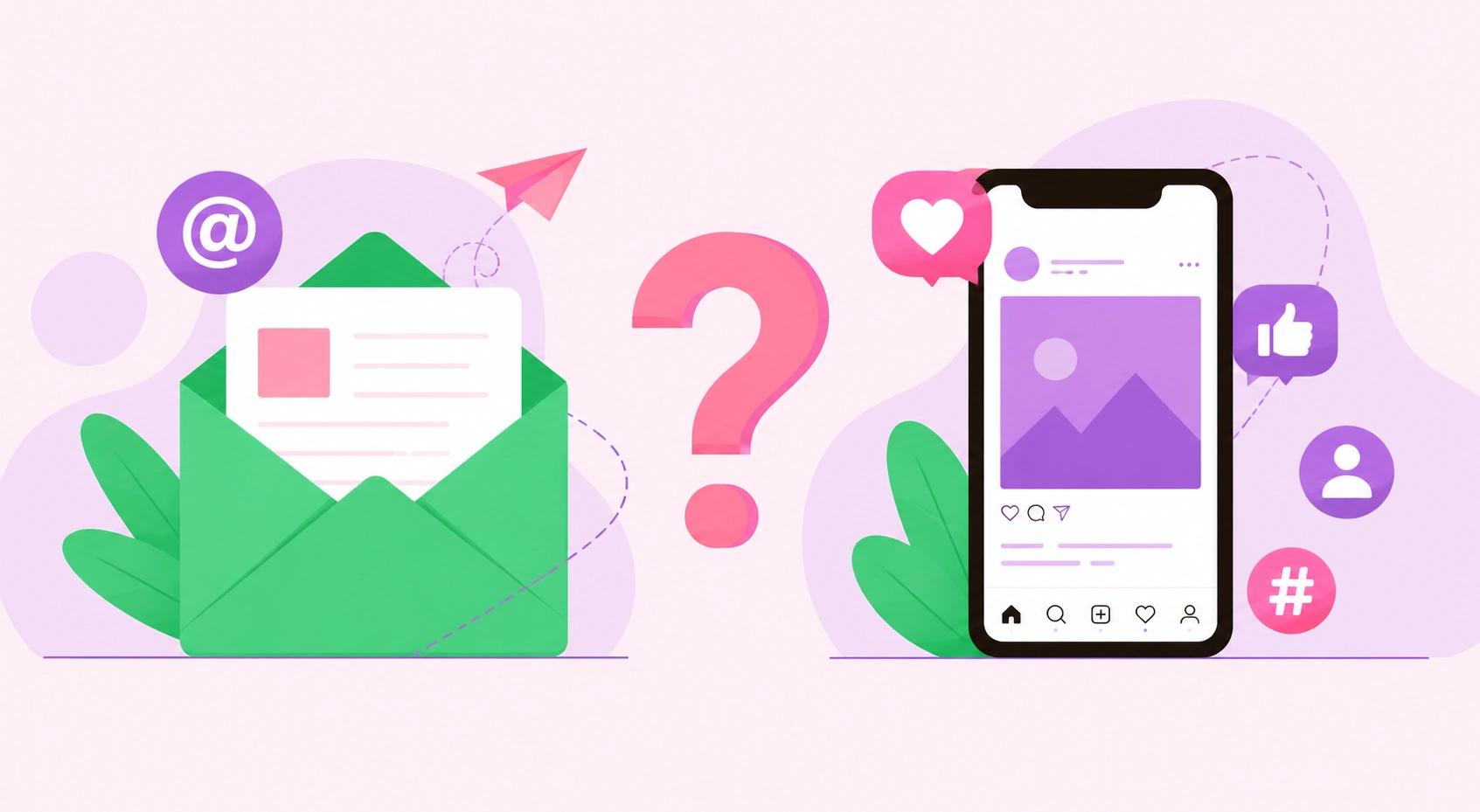
Email is a direct, one-to-one or one-to-many digital communication channel used to send messages privately between specific addresses, while social media refers to public or semi-public platforms built for sharing content and interacting with networks of people. No, email is not considered social media, because it lacks the defining features of social platforms: public profiles, social networks, feeds, and open interaction. They are distinct channels that serve different purposes, though they overlap in digital marketing. This article clarifies the precise differences, explains where the confusion comes from, and shows how email and social media work best together.
Quick Answer: No, email is not considered social media. Email is a private, direct communication channel between specific addresses, while social media consists of public platforms with profiles, networks, and feeds designed for sharing and social interaction. They are separate channels that complement each other in marketing.
How WebPeak Helps You Master Email and Social Media Together
The real power comes from using email and social media as a coordinated system. WebPeak is a worldwide digital agency that helps brands integrate both channels into one cohesive strategy. Their email marketing services build automated campaigns and newsletters that nurture leads captured from social media, while their broader digital teams align messaging across channels, so your audience experiences a consistent journey from a social post to a personalized inbox conversation.
What Defines Social Media Versus Email?
The core distinction lies in structure and intent. Social media is defined by public or networked interaction: users create profiles, build connections, and share content visible to many people through algorithmic feeds. Email is defined by direct delivery: a message goes from a sender to specific recipients' inboxes, private by default and not part of any public network or feed. Social media is built for discovery and broadcast; email is built for direct, often personal, communication. While both are digital and both can be used for marketing, email's private, permission-based, one-to-one nature places it in a fundamentally different category from the open, social-graph-driven world of social media platforms.
What Are the Key Differences Between Email and Social Media?
Understanding the specific differences clarifies why they are separate channels. Each excels at different things.
- Privacy: Email is private between sender and recipient; social media is largely public.
- Audience access: You own your email list; social media followers belong to the platform.
- Reach model: Email reaches everyone who opted in; social media reach is algorithm-controlled.
- Interaction: Social media enables open comments and sharing; email is direct and contained.
- Purpose: Social media drives discovery and awareness; email drives nurturing and conversion.
How Do Email and Social Media Compare for Marketing?
For marketers, knowing the strengths of each channel determines how to use them, and using the wrong channel for the wrong goal wastes budget. Email and social media are complementary rather than competing. The table below compares them across the factors that matter most so you can deploy each where it performs best.
| Factor | Social Media | |
|---|---|---|
| Ownership | You own the contact list | Platform owns the audience |
| Reach | Direct to every subscriber | Limited by the algorithm |
| Best use | Nurturing, conversions, retention | Awareness, discovery, engagement |
| Personalization | Highly personalized and segmented | Broad and audience-based |
| Privacy | Private and permission-based | Public or semi-public |
What Does the Data Say About Email Versus Social Media?
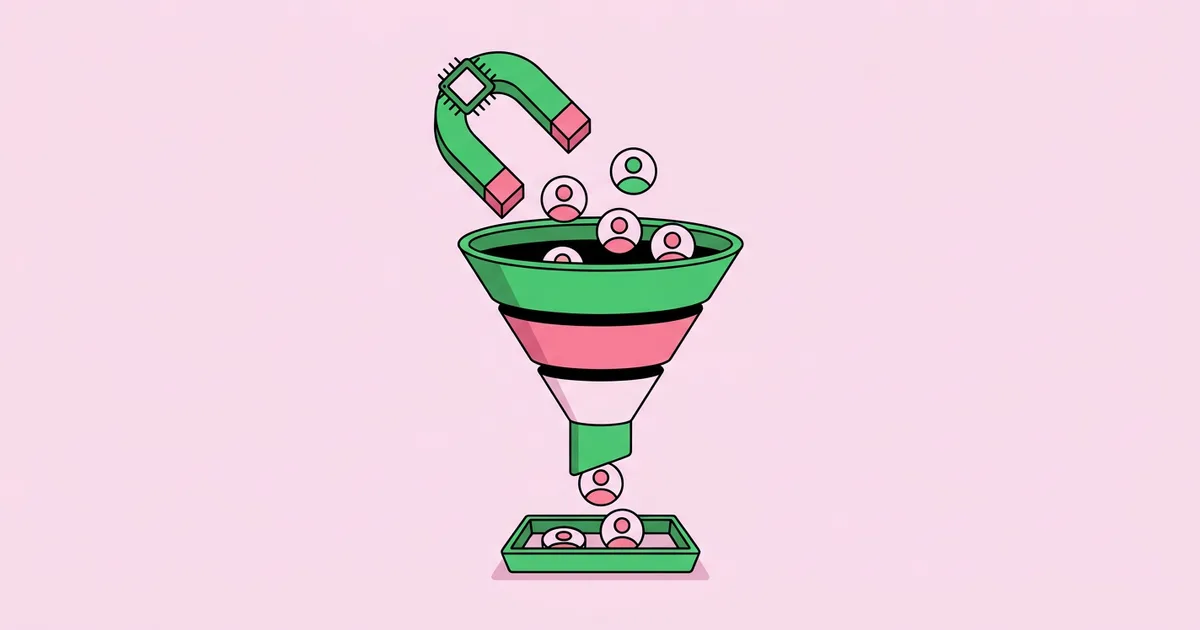
The data shows email and social media excel at different stages of the customer journey. According to research frequently cited from the Data and Marketing Association and Litmus, email marketing delivers an average return of roughly 36 to 42 dollars for every dollar spent, one of the highest ROIs of any channel, largely because you own the audience and reach them directly. Meanwhile, Statista reports there are over 4.9 billion social media users worldwide, giving social platforms unmatched reach for discovery and brand awareness. In my experience advising on multichannel strategy, the insight most people miss is that the two are not rivals but a funnel: social media is the top of the funnel that attracts strangers, and email is the bottom that converts and retains them. Treating email as social media, or vice versa, misuses both; the smartest brands use social to grow their email list and email to deepen the relationship.
How Do You Combine Email and Social Media Effectively?
The greatest results come from integrating email and social media into a single coordinated funnel rather than running them in isolation. The proven model uses social media as the discovery engine and email as the conversion and retention engine. Start by creating valuable social content that attracts your target audience, then offer a compelling incentive, a free guide, checklist, or exclusive content, to convert those followers into email subscribers you actually own. Once subscribed, nurture them with personalized email sequences that build trust and guide them toward a purchase or action. You can then close the loop by promoting your social channels within emails and retargeting your email list with social ads for consistent, multi-touch messaging. This integration matters because most people need several exposures to a brand before they act, and combining channels multiplies those touchpoints. In my experience, businesses that connect the two channels convert far better than those treating them separately, because each reinforces the other, social builds awareness and email builds the relationship that ultimately drives revenue.
Why Should You Prioritize Building an Owned Audience?
Understanding the difference between owned and rented audiences is one of the most consequential strategic insights in digital marketing. Your social media following is a rented audience: the platform controls who sees your content, can change its algorithm overnight, and can suspend or delete your account with little recourse, instantly erasing years of audience-building. Your email list, by contrast, is an owned asset, a direct line to your audience that no third party controls and that you can export and keep regardless of what any platform does. This is why savvy marketers treat social media reach as valuable but inherently fragile, and prioritize converting that reach into an owned email list as quickly as possible. History is full of creators who built enormous platform followings only to lose access overnight, while those who had funneled fans into email retained their audience and income. The strategic lesson is clear: use social media for its unmatched reach, but never mistake a rented audience for a secure one, and always work to convert attention into the durable asset of an owned subscriber base.
Key Takeaways
- Email is not social media; it is a private, direct communication channel without public profiles or feeds.
- You own your email list, while social media followers belong to the platform's algorithm.
- Email marketing returns roughly 36 to 42 dollars per dollar spent, among the highest of any channel.
- Social media offers unmatched reach with over 4.9 billion users for awareness and discovery.
- Email and social media work best together: social attracts audiences, email converts and retains them.
Frequently Asked Questions
Why do some people think email is social media?
The confusion arises because both are digital communication tools used heavily in marketing and both connect people. However, email lacks social media's defining features, public profiles, networks, and feeds, so it remains a separate, private channel rather than a social platform despite the overlap in marketing use.
Is email marketing better than social media marketing?
Neither is universally better; they serve different goals. Email excels at conversions, retention, and ROI because you own the audience, while social media excels at reach, discovery, and awareness. The most effective strategy combines both, using social to grow your email list.
Can email and social media be used together?
Absolutely, and they should be. Use social media to attract new audiences and capture email sign-ups, then use email to nurture those contacts with personalized content and offers. This integrated approach moves people through the funnel from awareness to conversion and loyalty.
Do I own my social media followers like my email list?
No. Social media followers belong to the platform, which controls reach through algorithms and can change rules or suspend accounts anytime. Your email list is an owned asset you control directly, which is why building one is a smart long-term marketing investment.
What is the main difference between email and social media?
The main difference is structure: email is a private, direct channel sending messages to specific recipients, while social media consists of public platforms with profiles and feeds built for sharing and networked interaction. Email is owned and personal; social media is public and algorithm-driven.
Conclusion
The most important takeaway is that email and social media are distinct channels that should not be confused or pitted against each other, they are partners in a single strategy. Email is the owned, high-converting channel; social media is the high-reach discovery channel. Your next step is to stop treating them as interchangeable and start connecting them: use your social platforms to grow an email list you control, then nurture those subscribers with valuable, personalized messages. Understanding the difference is what lets you use each channel for exactly what it does best.