Hyundai Artificial Intelligence
Discover how Hyundai is integrating artificial intelligence into vehicle development and customer experiences. Learn about their AI-powered innovations transforming the automotive industry.

Hyundai Artificial Intelligence: Automotive Innovation
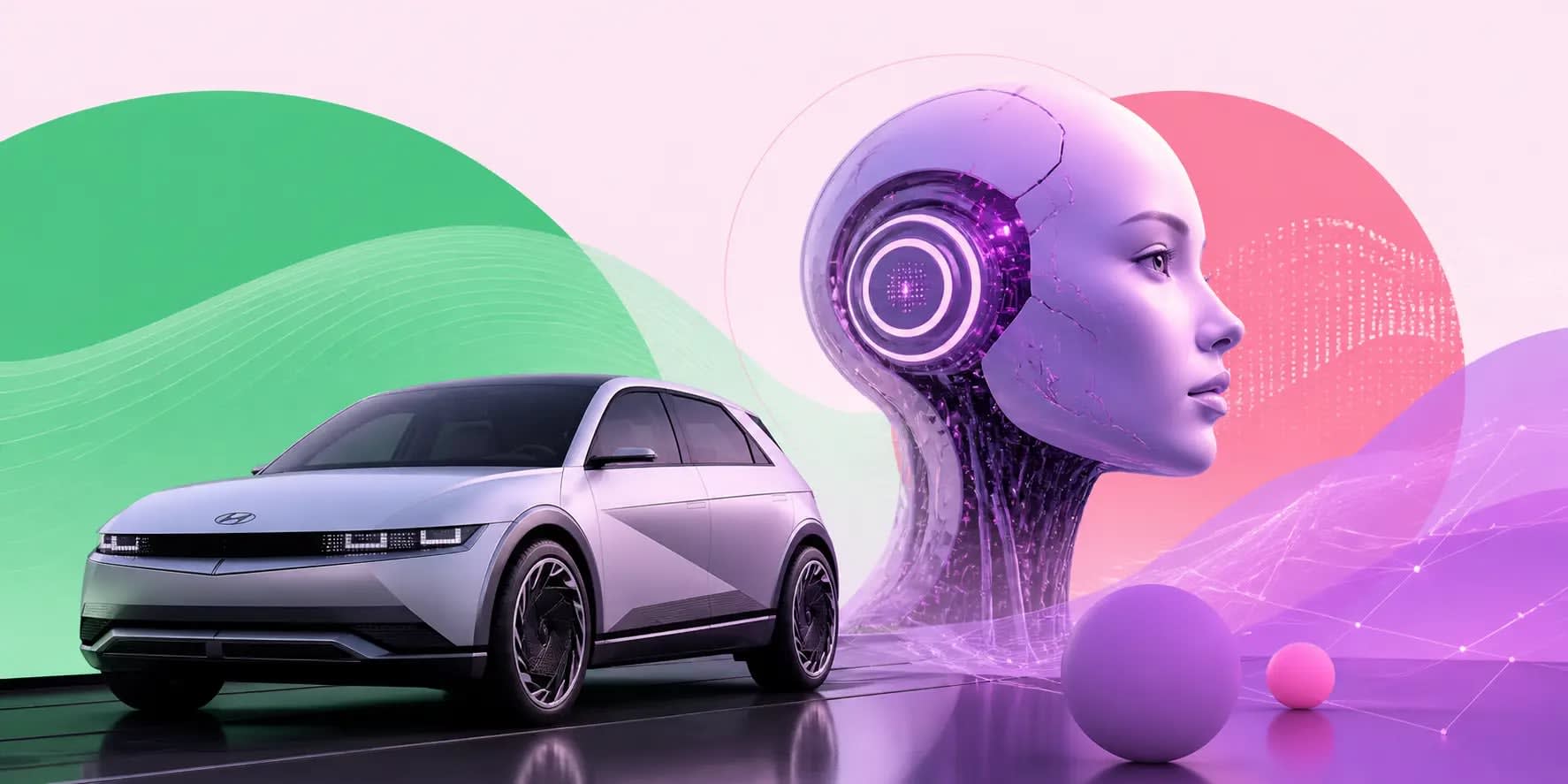
Hyundai stands at the forefront of integrating artificial intelligence into the automotive industry, leveraging AI to create safer, smarter, and more connected vehicles. The company's AI initiatives span autonomous driving capabilities, predictive maintenance systems, intelligent cabin environments, and personalized customer experiences. By combining AI with their engineering expertise and manufacturing capabilities, Hyundai is positioning itself as a leader in next-generation automotive technology. These innovations address consumer demands for safety, convenience, and environmental sustainability while establishing Hyundai as an innovative brand in the competitive global automotive market.
Digital Marketing Strategy for Automotive Technology
Automotive companies introducing AI-powered vehicles and advanced technologies need effective digital marketing to communicate innovations to consumers. Webpeak provides web development and digital marketing services helping automotive manufacturers build online presence, showcase technological innovations, and connect with tech-savvy consumers interested in AI-enabled vehicles and automotive advancements.
Autonomous Driving and Safety Systems
Hyundai's AI applications include advanced driver assistance systems and development of autonomous driving capabilities. These systems use computer vision, sensor fusion, and machine learning to understand road conditions, detect obstacles, and make real-time driving decisions. Hyundai's autonomous vehicle research aims to create safer vehicles that reduce accident risk and eventually enable fully autonomous driving. These safety-focused AI applications represent significant progress toward transportation systems that save lives and reduce accidents.
Connected Vehicle Intelligence
Hyundai integrates AI into connected vehicle platforms, creating intelligent systems that learn driver preferences, anticipate maintenance needs, and personalize driving experiences. Vehicles can communicate with smart city infrastructure, other vehicles, and cloud services to provide real-time traffic information and optimize routes. These connected AI systems enhance user experience, improve vehicle performance, and provide valuable data insights that Hyundai uses for continuous product improvement and service optimization.
Predictive Maintenance and Service Innovation
AI enables Hyundai to predict maintenance needs before failures occur, reducing unexpected breakdowns and extending vehicle lifespan. Machine learning algorithms analyze vehicle sensor data to identify patterns indicating potential issues, alerting owners proactively. This predictive approach transforms automotive service from reactive repairs to proactive maintenance, improving customer satisfaction and reducing service costs. It also strengthens customer relationships by demonstrating Hyundai's commitment to vehicle reliability and owner convenience.
Environmental and Sustainability Impact
Hyundai uses AI to optimize vehicle efficiency and support their transition toward electric and hydrogen vehicles. Machine learning algorithms optimize battery management, improve charging efficiency, and maximize range for electric vehicles. AI also enhances autonomous vehicles' potential to improve traffic flow and reduce emissions through optimized driving patterns. These applications demonstrate how AI supports Hyundai's sustainability goals while meeting consumer demands for environmentally responsible transportation solutions.
Recommended Best Practices and Resources for Hyundai Artificial Intelligence
To maximize operational performance and scalability when implementing solutions for hyundai artificial intelligence, organizations must adopt consistent engineering standards and thorough data validation. For open industry standards and verified benchmark references, consult the World Wide Web Consortium (W3C) Official Guidelines.
Continuous monitoring and iterative improvements ensure that systems built around hyundai artificial intelligence maintain peak accuracy over extended deployment cycles. Sustainable adoption of hyundai artificial intelligence depends on transparent communication, rigorous quality assurance, and a steadfast commitment to high engineering standards across all digital touchpoints.
Cross-functional teams should establish clear benchmarks for latency, throughput, and error recovery before rolling out production updates. Sustainable adoption of hyundai artificial intelligence depends on transparent communication, rigorous quality assurance, and a steadfast commitment to high engineering standards across all digital touchpoints.
Documenting internal workflows and keeping team documentation up to date significantly reduces technical debt and accelerates onboarding for new engineers. Sustainable adoption of hyundai artificial intelligence depends on transparent communication, rigorous quality assurance, and a steadfast commitment to high engineering standards across all digital touchpoints.
Regular audits of third-party dependencies help protect data integrity and safeguard client privacy across distributed cloud environments. Sustainable adoption of hyundai artificial intelligence depends on transparent communication, rigorous quality assurance, and a steadfast commitment to high engineering standards across all digital touchpoints.
Investing in clean architecture patterns and automated testing pipelines enables sustainable growth while preserving system agility. Sustainable adoption of hyundai artificial intelligence depends on transparent communication, rigorous quality assurance, and a steadfast commitment to high engineering standards across all digital touchpoints.
Continuous monitoring and iterative improvements ensure that systems built around hyundai artificial intelligence maintain peak accuracy over extended deployment cycles. Sustainable adoption of hyundai artificial intelligence depends on transparent communication, rigorous quality assurance, and a steadfast commitment to high engineering standards across all digital touchpoints.
Cross-functional teams should establish clear benchmarks for latency, throughput, and error recovery before rolling out production updates. Sustainable adoption of hyundai artificial intelligence depends on transparent communication, rigorous quality assurance, and a steadfast commitment to high engineering standards across all digital touchpoints.
Documenting internal workflows and keeping team documentation up to date significantly reduces technical debt and accelerates onboarding for new engineers. Sustainable adoption of hyundai artificial intelligence depends on transparent communication, rigorous quality assurance, and a steadfast commitment to high engineering standards across all digital touchpoints.
Regular audits of third-party dependencies help protect data integrity and safeguard client privacy across distributed cloud environments. Sustainable adoption of hyundai artificial intelligence depends on transparent communication, rigorous quality assurance, and a steadfast commitment to high engineering standards across all digital touchpoints.
Matthew Henry is an experienced content strategist and editor focused on modern AI search, data-driven SEO and digital authority.