How to Engage Alumni Using Social Media: Strategies That Build Lasting Community
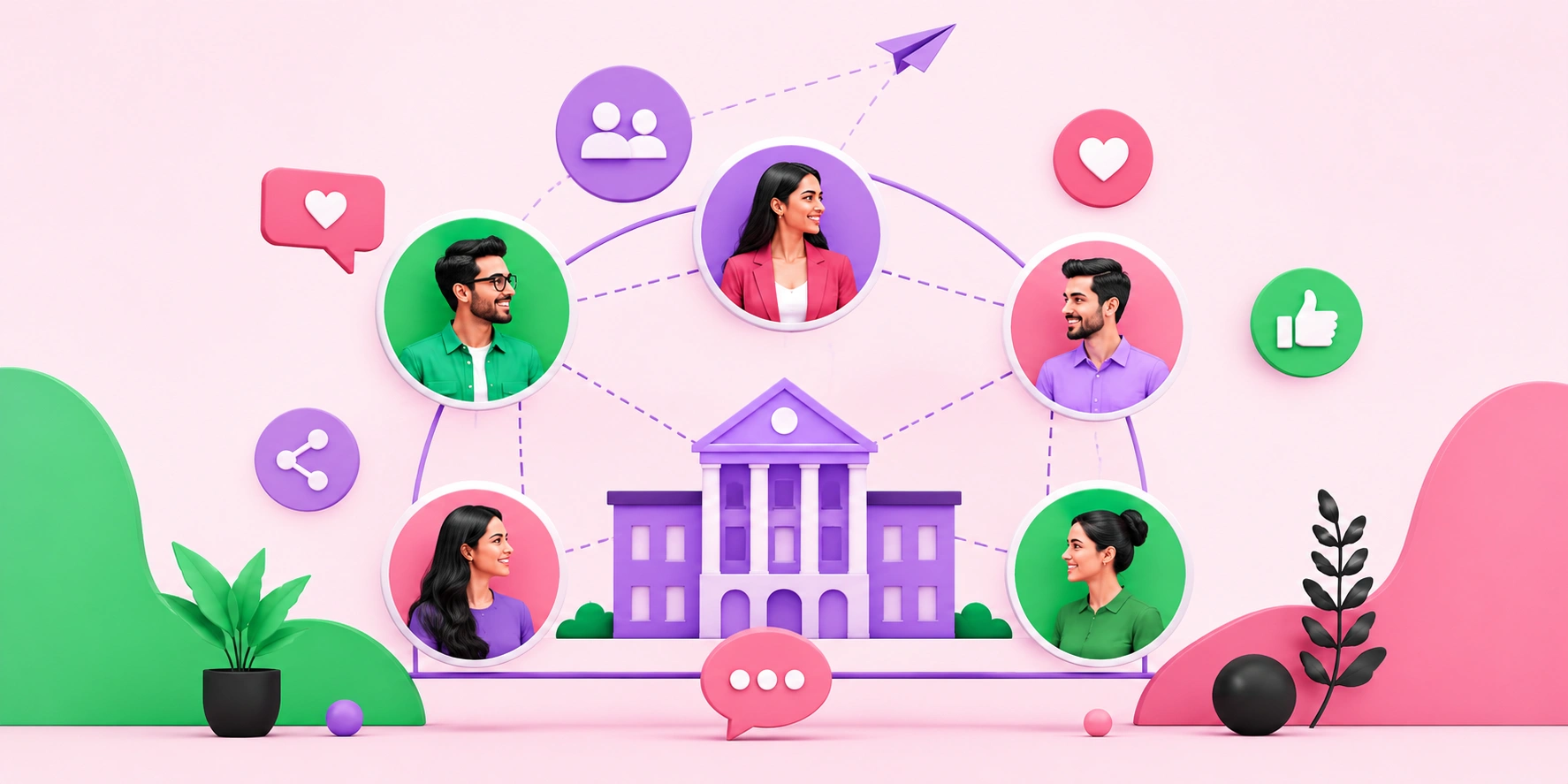
Engaging alumni using social media means building an ongoing, two-way relationship with former students through targeted content, dedicated communities, and consistent interaction across platforms like LinkedIn, Facebook, and Instagram. It goes far beyond posting event announcements — the goal is to keep graduates emotionally connected, professionally supported, and willing to give back. Institutions with active alumni engagement report stronger donation rates and higher volunteer participation, yet most struggle because they broadcast at alumni instead of building community with them.
Quick Answer: To engage alumni using social media, create dedicated alumni groups, share nostalgic and career-focused content, celebrate graduate achievements, run interactive campaigns, and use LinkedIn for professional networking. Focus on two-way conversation and consistent value rather than one-directional announcements, and segment content by graduation era and interest.
How WebPeak Strengthens Your Alumni Outreach
Reaching alumni across multiple platforms consistently takes strategy and steady execution, which is where WebPeak helps through their social media management services, covering content calendars, community moderation, and engagement tracking. To keep alumni communications compelling and on-message, their content writing services craft newsletters, posts, and campaign copy that resonate with graduates. As a worldwide digital agency, WebPeak helps universities, schools, and organizations turn scattered alumni outreach into a coordinated program that sustains connection and giving over time.
Why Does Social Media Work Better Than Email for Alumni?
Social media succeeds with alumni because it enables ongoing, low-friction connection rather than the transactional, one-way nature of most email outreach. Alumni engagement is best defined as the degree to which former students actively interact with, advocate for, and invest in their institution. Email excels at formal announcements, but social platforms let alumni comment, share memories, tag classmates, and celebrate each other publicly — turning your institution into a living community hub. The critical distinction most programs miss is that engagement is measured by interaction, not reach. Ten alumni tagging friends in a reunion photo drives more genuine connection than a post seen by ten thousand who scroll past. Design for conversation, and the network effect of alumni reconnecting with each other multiplies your impact far beyond what any single post could achieve.
What Types of Content Actually Engage Alumni?
Alumni respond to content that makes them feel seen, nostalgic, and proud of their affiliation. Use this mix consistently:
- Nostalgia posts: Throwback photos, "on this day" campus memories, and archival footage that spark comments and tags.
- Alumni spotlights: Feature graduate career wins, startups, and community work to celebrate individuals and inspire peers.
- Career resources: Job boards, mentorship opportunities, and industry webinars that deliver ongoing professional value.
- Interactive content: Polls, "where are they now" prompts, and reunion countdowns that invite direct participation.
- Behind-the-scenes updates: Campus developments and faculty news that keep alumni emotionally connected to the institution's growth.
Rotating these formats prevents feed fatigue and gives alumni multiple reasons to interact rather than a single repetitive ask for donations.
Which Platforms Should You Use for Different Alumni Goals?
Each platform serves a distinct purpose in alumni engagement, and matching the goal to the channel dramatically improves results. The table below maps platforms to their strongest use cases so you can allocate effort where it counts.
| Platform | Best Use Case | Primary Audience |
|---|---|---|
| Professional networking and mentorship | Career-focused alumni of all ages | |
| Facebook Groups | Private community and reunions | Alumni over 30 and class cohorts |
| Nostalgia, spotlights, and events | Recent graduates and younger alumni | |
| YouTube | Event recaps and long-form stories | Broad alumni base |
| WhatsApp / Groups | Direct class and chapter communication | Active regional or class groups |
How Do You Measure and Grow Alumni Engagement Over Time?
Sustainable engagement requires tracking the right metrics and acting on them. According to research from the Council for Advancement and Support of Education, alumni who feel emotionally connected to their institution are significantly more likely to donate and volunteer. Separately, industry data shows that personalized, segmented communication can lift engagement rates substantially compared to generic mass messaging. The metrics that matter are interaction rate, group membership growth, and repeat participation — not raw follower counts. From working with community-driven programs, the insight I return to is that consistency beats intensity: a steady weekly rhythm of two-way content outperforms occasional bursts of activity around fundraising season. Segment your alumni by graduation era, location, and career field, then tailor content to each group. This turns a passive follower list into an active network that reconnects members with each other, which is the true engine of long-term engagement and giving.
Key Takeaways
- Measure alumni engagement by interaction and participation, not follower or reach numbers.
- Rotate nostalgia, spotlights, career resources, and interactive posts to prevent feed fatigue.
- Match platforms to goals — LinkedIn for careers, Facebook Groups for community, Instagram for nostalgia.
- Emotionally connected alumni are significantly more likely to donate and volunteer.
- Consistency and segmentation outperform occasional bursts of generic mass messaging.
Frequently Asked Questions
What is the best social media platform for alumni engagement?
LinkedIn is best for professional networking and mentorship, while private Facebook Groups excel at community building and reunions. There is no single best platform — use LinkedIn for career value and Facebook or Instagram for nostalgia and events, matching each channel to your specific engagement goal.
How often should we post alumni content?
Aim for two to four posts per week with a consistent rhythm rather than sporadic bursts. Steady, predictable content keeps alumni engaged year-round, while activity that only spikes during fundraising season signals that you contact graduates mainly when you want something from them.
How do we get alumni to actually interact, not just follow?
Ask direct questions, run polls, feature alumni achievements, and encourage classmates to tag each other in nostalgic posts. Interaction grows when alumni feel celebrated and see peers participating. Two-way conversation and public recognition drive far more engagement than one-directional announcements or donation requests.
Should we create a private alumni group or use a public page?
Use both. A public page builds visibility and welcomes prospective and current students, while a private group creates a trusted space where alumni share candidly, network, and organize reunions. The private group typically drives the deepest, most sustained engagement over time.
How do we measure if our alumni social media is working?
Track interaction rate, group membership growth, and repeat participation rather than follower counts. Rising comments, shares, event sign-ups, and returning participants indicate genuine engagement. Pair these with donation and volunteer trends to connect your social activity to real institutional outcomes.
Conclusion
The single most important shift in engaging alumni using social media is moving from broadcasting announcements to building genuine two-way community, because engagement lives in interaction, not reach. Start this week by launching or reviving a dedicated alumni group and posting one nostalgia piece and one alumni spotlight to spark conversation. Segment your audience, keep a consistent weekly rhythm, and let graduates reconnect with each other — that network effect is what sustains loyalty and giving for years. Approach alumni as a living community rather than a mailing list, and your social channels will become the trusted hub that keeps them connected long after graduation.