How to Design Email Templates That Get More Opens and Clicks
Email remains one of the highest-performing marketing channels available, but only when your messages are designed to compete in crowded inboxes. With users receiving dozens of emails each day, your template must do more than look attractive — it has to capture attention quickly, communicate value clearly, and lead the reader toward a single, compelling action. Designing email templates that get more opens and clicks is a careful blend of psychology, layout, copywriting, and technical optimization. Done well, these templates become reliable engines for engagement, sales, and customer retention.
Boost Email Performance With WebPeak
Creating email templates that consistently drive opens and clicks requires both creative design and disciplined optimization. WebPeak is a worldwide digital agency that helps brands design and execute email campaigns that convert. Their email marketing services team builds responsive templates, crafts persuasive copy, and runs ongoing A/B tests to refine performance. With their support, businesses can transform email from a routine communication channel into a measurable, scalable revenue driver.
Crafting Subject Lines That Earn the Open
Before any design choice matters, your subject line determines whether your email gets opened at all. Strong subject lines are concise — usually under 50 characters — and create curiosity, urgency, or clear value. Avoid spammy phrases like "FREE!!!" or excessive punctuation, which damage deliverability and credibility. Instead, focus on what the reader gains by opening: a useful tip, a time-limited offer, or an answer to a common question. Personalization, when used thoughtfully, can lift open rates significantly.
The preview text, which appears after the subject line in most inboxes, is equally important and often overlooked. Treat it as a second headline that complements the subject line by adding context or reinforcing the offer. Together, subject and preview text should tell a small story that intrigues the reader. A/B testing different versions over time will reveal what resonates most with your audience, allowing you to continually improve open rates without changing the underlying email design.
Designing for Mobile-First Reading
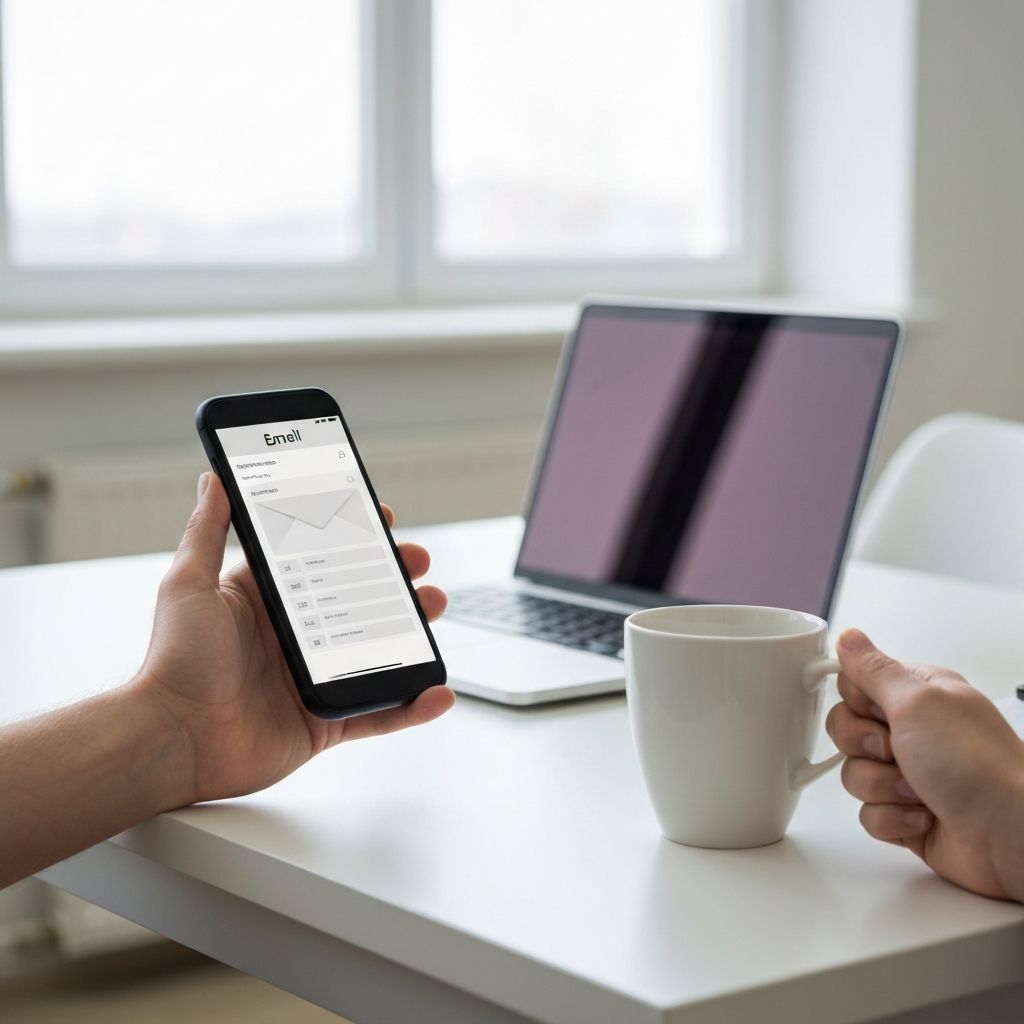
The majority of emails are now opened on mobile devices, which means mobile-first design is non-negotiable. Use a single-column layout that adapts cleanly to smaller screens, with large, tappable buttons and font sizes of at least 14 to 16 pixels for body text. Avoid relying on tiny links buried in paragraphs; instead, use clear call-to-action buttons that stand out visually. Always test your templates across multiple devices and email clients before sending to your full list.
Images should enhance, not replace, your message. Many users browse with images blocked, so any critical information communicated only through visuals can be lost. Use descriptive alt text for accessibility and as a fallback when images do not load. Keep image file sizes optimized to ensure quick load times, especially on mobile data connections. Finally, prioritize the most important content above the fold so readers immediately see your value before deciding whether to scroll, tap, or delete.
Writing Copy That Drives Clicks
Even the most beautiful template falls flat without copy that motivates action. Email copy should be conversational, scannable, and tightly focused on a single goal. Use short sentences and paragraphs, with plenty of white space to make scanning easy. Lead with the reader's benefit rather than your features, and write in a tone that matches your brand and audience. People click when they feel that an email is talking directly to them, not broadcasting to a list.
Each email should have one primary call to action, clearly stated and visually emphasized. Secondary links can support the main goal but should never compete with it. Use action-oriented language in buttons — phrases like "Get the Guide," "Start Free Trial," or "Claim My Spot" outperform generic terms like "Click Here." Reinforce trust with social proof, testimonials, or recognizable logos when relevant. The combination of clear copy, focused offers, and visible CTAs is what turns interested readers into active clickers.
Testing, Measuring, and Improving Performance
Designing email templates is not a one-time effort. Continuous testing and measurement are what separate average campaigns from high-performing programs. A/B test elements like subject lines, hero images, button colors, headline copy, and even send times. Limit each test to one variable at a time so you can clearly identify what is driving change. Over time, these incremental improvements compound into significantly better open and click-through rates.
Look beyond opens and clicks to deeper metrics like conversion rate, revenue per email, list growth, and unsubscribe rate. These reveal the real impact of your campaigns on the business. Segment your list based on behavior, preferences, or lifecycle stage so each subscriber receives content that feels relevant to them. Personalized, segmented emails consistently outperform generic blasts. With ongoing testing, smart segmentation, and a commitment to learning, your email templates can evolve into a high-performing core of your marketing strategy.
Frequently Asked Questions
What is a good open rate for marketing emails?
Open rates vary by industry, but a healthy average usually falls between 20 percent and 30 percent. Highly targeted segments and well-crafted subject lines can push open rates significantly higher, especially in lifecycle and transactional emails.
How long should a marketing email be?
Most marketing emails perform best when kept concise — typically 50 to 200 words for promotional emails and slightly longer for newsletters. The goal is to communicate value quickly and drive readers to your call to action without unnecessary filler content.
Should I use plain text or HTML emails?
Both have their place. HTML emails are ideal for branded campaigns and product promotions, while plain text emails feel personal and often perform well for sales follow-ups or executive communications. Many high-performing programs use a mix of both.
How often should I email my subscribers?
Frequency depends on your audience and content quality. Many businesses succeed with weekly or biweekly newsletters, plus targeted automated campaigns. Monitor unsubscribe rates and engagement metrics to find the cadence that keeps subscribers interested without overwhelming them.
Why are my emails landing in spam folders?
Common causes include poor sender reputation, missing authentication records like SPF and DKIM, spammy subject lines, or sending to unengaged lists. Maintaining clean lists, authenticating your domain, and following best practices significantly improves deliverability over time.
Conclusion
Designing email templates that get more opens and clicks is part art, part science, and entirely strategic. By crafting compelling subject lines, designing mobile-first layouts, writing focused copy, and testing continuously, you can turn your email program into a reliable growth engine. Combine thoughtful design with smart segmentation and analytics, and your campaigns will not only reach inboxes but also convert readers into engaged customers. With consistent effort and the right partners, email becomes one of the highest-ROI channels in your entire marketing mix.