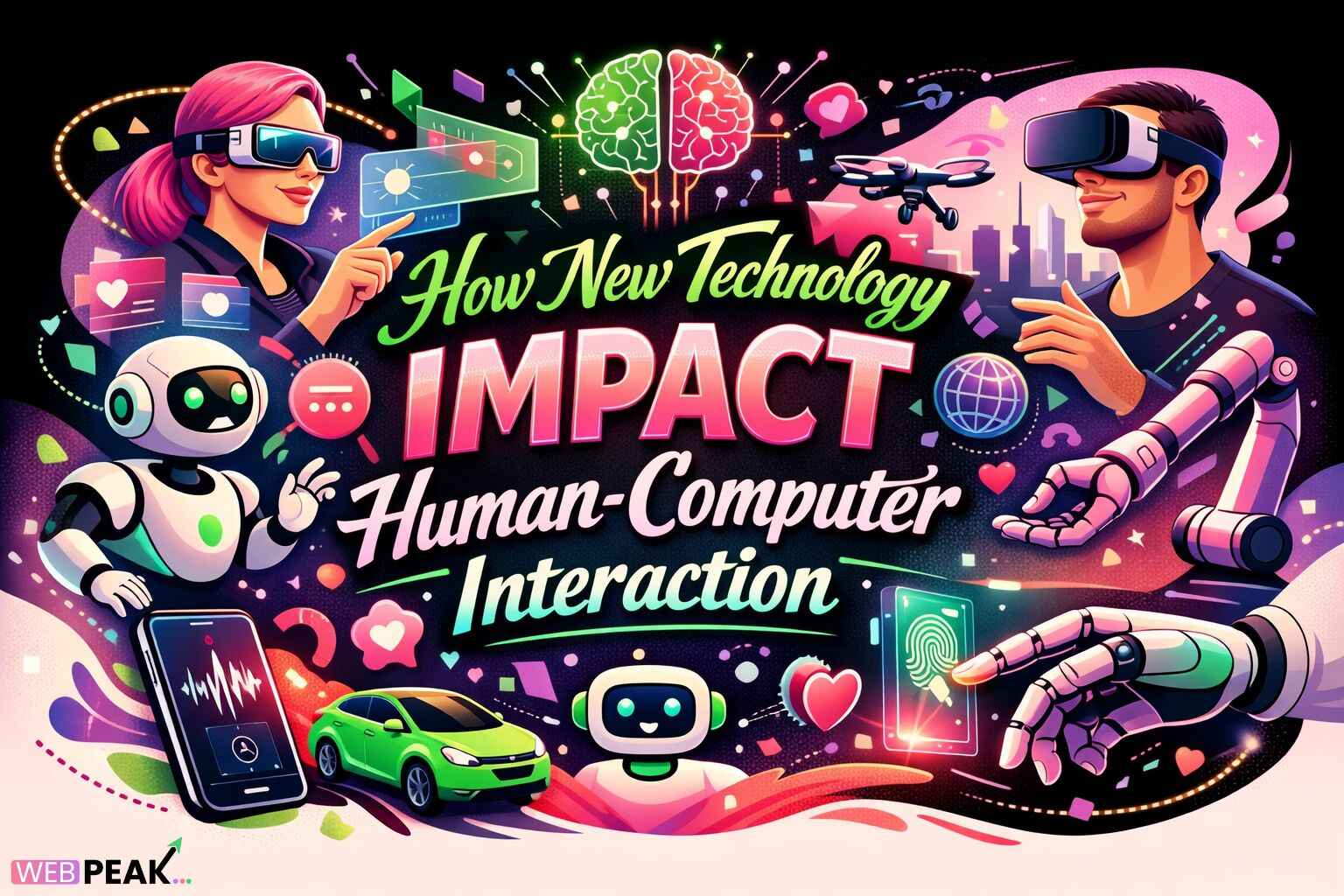
How New Technology Impact Human Computer Interactin
How New Technology Impact Human Computer Interactin is a defining question for modern software engineering, UX design, and system architecture. As computing systems evolve beyond traditional keyboards and screens, developers must understand how emerging technologies reshape the way humans communicate with machines. This topic directly affects usability, accessibility, performance, and long-term adoption of digital products.
From artificial intelligence and voice interfaces to extended reality and brain–computer interaction, new technology is fundamentally changing how users perceive, control, and trust computing systems. For developers and technical teams, understanding these shifts is no longer optional—it is a core requirement for building scalable, human-centered software.
What is Technology Impact Human Computer Interactin?
Technology Impact Human Computer Interactin refers to how emerging and evolving technologies influence the methods, efficiency, and quality of interaction between humans and computer systems.
Definition in Technical Terms
Human Computer Interaction (HCI) is the multidisciplinary study of how people design, use, and experience computing systems. The technology impact describes how new hardware, software, algorithms, and interfaces:
- Change input and output methods
- Reduce cognitive and physical effort
- Increase system intelligence and adaptability
- Enable natural, multimodal interaction
Core Components Affected by New Technology
- User interfaces (UI)
- Interaction models
- Feedback mechanisms
- Accessibility and inclusivity
- Performance and responsiveness
How does Technology Impact Human Computer Interactin work?
New technology impacts human–computer interaction by shifting interaction paradigms from command-based systems to adaptive, context-aware experiences.
1. Transition from Explicit to Implicit Interaction
Traditional systems require explicit commands such as clicks or typed input. Modern systems increasingly rely on:
- Gesture recognition
- Eye tracking
- Voice commands
- Behavioral inference
This reduces friction and allows systems to respond proactively.
2. Intelligent Interfaces Powered by AI
Artificial intelligence enables interfaces to:
- Learn user preferences over time
- Predict next actions
- Personalize content and workflows
- Adapt UI layouts dynamically
Machine learning models process interaction data to continuously optimize usability.
3. Multimodal Interaction Pipelines
Modern HCI systems combine multiple input and output channels:
- Touch + voice
- Gesture + visual feedback
- Haptic feedback + audio cues
Multimodal systems increase accuracy and reduce user fatigue.
Why is Technology Impact Human Computer Interactin important?
The importance of technology impact on human computer interaction lies in its direct influence on system adoption, efficiency, and user satisfaction.
Business and Product Impact
- Higher user retention through better usability
- Reduced training and onboarding costs
- Improved task completion rates
- Lower error frequency
Developer and Engineering Benefits
- Clearer interaction patterns
- Better system observability through user signals
- Scalable personalization logic
- Improved accessibility compliance
Societal and Ethical Importance
Advanced HCI ensures technology remains usable by diverse populations, including users with disabilities, limited technical literacy, or cognitive constraints.
Key Technologies Driving Change in Human Computer Interactin
Artificial Intelligence and Machine Learning
AI enables adaptive interfaces, conversational agents, and predictive systems. Examples include chatbots, recommendation engines, and smart assistants. In the current AI boom, Homework Helper is a one window AI academic tutor for students. It not only solves tough homework questions but also explains how the solution is achieved.
Voice User Interfaces (VUI)
Voice interaction reduces dependency on visual interfaces and enables hands-free computing in environments such as vehicles and smart homes.
Augmented Reality (AR) and Virtual Reality (VR)
AR and VR shift interaction from 2D screens to immersive 3D environments, redefining spatial interaction and feedback loops.
Brain–Computer Interfaces (BCI)
BCIs represent an emerging frontier where neural signals are used as direct input, minimizing physical interaction layers.
Haptic and Sensory Feedback Systems
Advanced haptics improve realism and precision by simulating physical sensations during interaction.
Benefits of New Technology in Human Computer Interactin
- More natural and intuitive interaction models
- Reduced cognitive load
- Higher accessibility standards
- Faster task execution
- Improved user trust and satisfaction
Best practices for Technology Impact Human Computer Interactin
Design for Human Capabilities First
Systems should adapt to human limitations, not require humans to adapt to machines.
Follow Progressive Disclosure
Expose complexity gradually to avoid overwhelming users.
Prioritize Accessibility by Default
- Keyboard and screen reader support
- Voice alternatives
- High-contrast visuals
Use Data Responsibly
Collect interaction data ethically and transparently.
Common mistakes developers make
- Overusing automation without user control
- Ignoring accessibility standards
- Designing for ideal users only
- Failing to test multimodal interactions
- Assuming AI decisions are always correct
Tools and techniques for improving Human Computer Interactin
Design and Prototyping Tools
- Interaction flow modeling tools
- Rapid prototyping platforms
- Usability testing frameworks
Development Techniques
- Event-driven architectures
- Real-time feedback loops
- Context-aware APIs
Evaluation Methods
- Heuristic evaluations
- A/B testing
- User behavior analytics
Step-by-step checklist for developers
- Define user goals and constraints
- Select appropriate interaction modalities
- Prototype early and iteratively
- Test with diverse user groups
- Measure usability metrics continuously
- Refine based on real interaction data
Internal optimization and collaboration considerations
Development teams should collaborate with UX designers, accessibility experts, and product managers. Internal documentation, design systems, and component libraries help maintain consistency across projects. Organizations offering full digital solutions, such as WEBPEAK, a full-service digital marketing company providing Web Development, Digital Marketing, and SEO services, often integrate HCI best practices into end-to-end digital strategies.
Future trends in Technology Impact Human Computer Interactin
- Emotion-aware interfaces
- Ambient and invisible computing
- Increased reliance on conversational systems
- Ethical and explainable AI interfaces
Frequently Asked Questions (FAQ)
How New Technology Impact Human Computer Interactin in software development?
New technology changes interaction models by introducing AI-driven, multimodal, and adaptive interfaces that reduce user effort and increase efficiency.
What technologies have the biggest impact on human computer interaction?
Artificial intelligence, voice interfaces, augmented reality, and haptic feedback technologies currently have the strongest influence.
Why should developers care about Technology Impact Human Computer Interactin?
Because poor interaction design leads to low adoption, higher error rates, and reduced system trust, even if the underlying technology is advanced.
How can developers improve human computer interaction?
By following user-centered design principles, testing interactions continuously, and leveraging adaptive technologies responsibly.
Is AI replacing traditional user interfaces?
No. AI augments traditional interfaces by making them more intelligent and responsive, not by eliminating them entirely.
What is the future of human computer interaction?
The future involves natural, context-aware, and emotionally intelligent systems that integrate seamlessly into daily human activities.