How Marketing Teams Plan and Execute Multi-Channel Campaigns
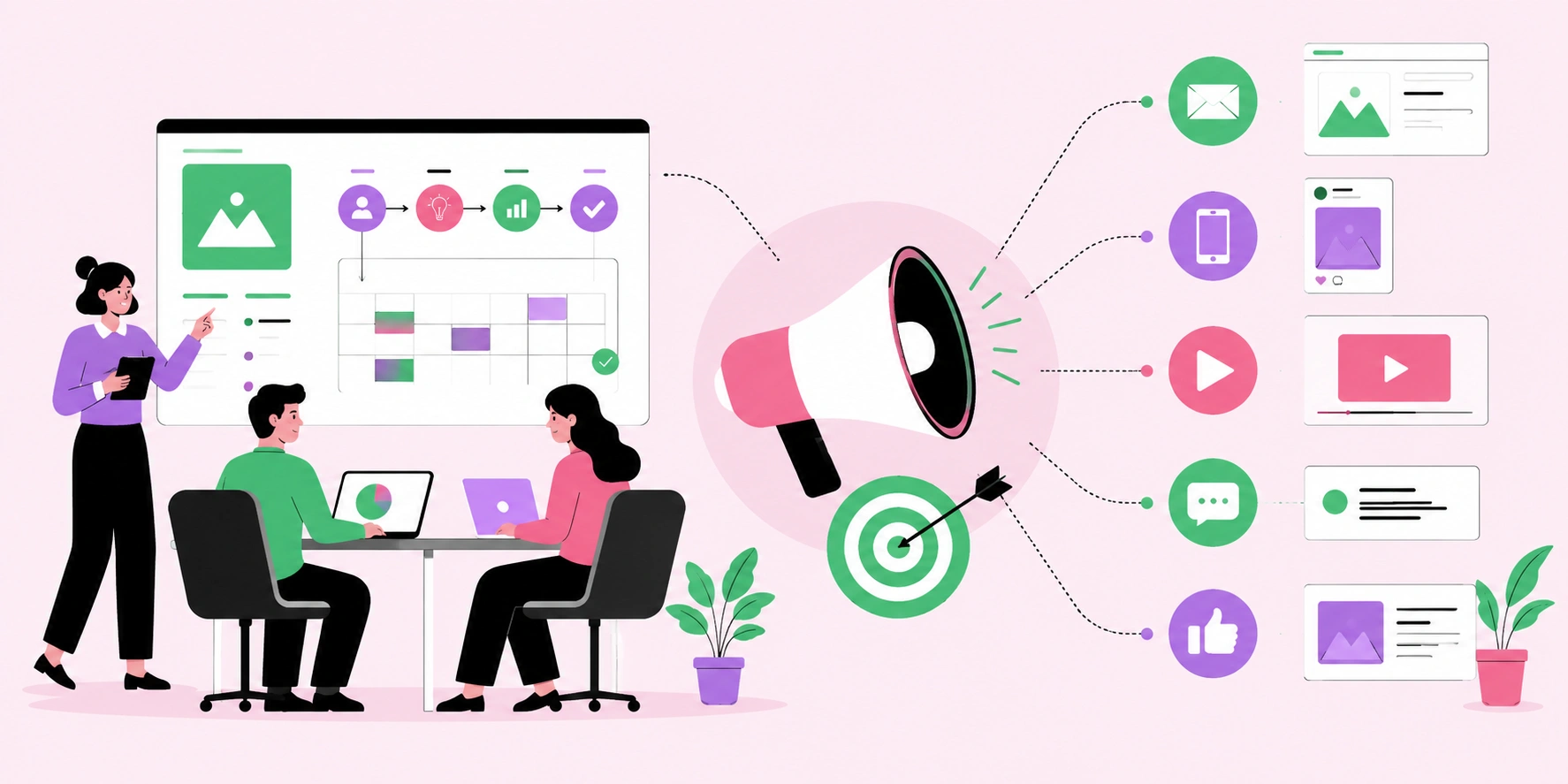
Marketing teams use different platforms such as websites, social media, emails, mobile apps, and physical platforms to reach their customers. In today’s competitive environment, customers do not use a single platform before making a purchase. Thus, marketing teams use multi-channel campaigns to reach their potential customers. These campaigns assist potential customers in moving from the very beginning of their journey with the brand to the end of the purchase.
What is a marketing campaign?
A marketing campaign refers to a set of strategies that are implemented in a planned manner to advertise a particular product, service, or brand.
A marketing campaign can be conducted to fulfill different objectives such as increasing brand awareness, generating leads, increasing traffic on a brand’s website, or increasing sales of a brand’s products.
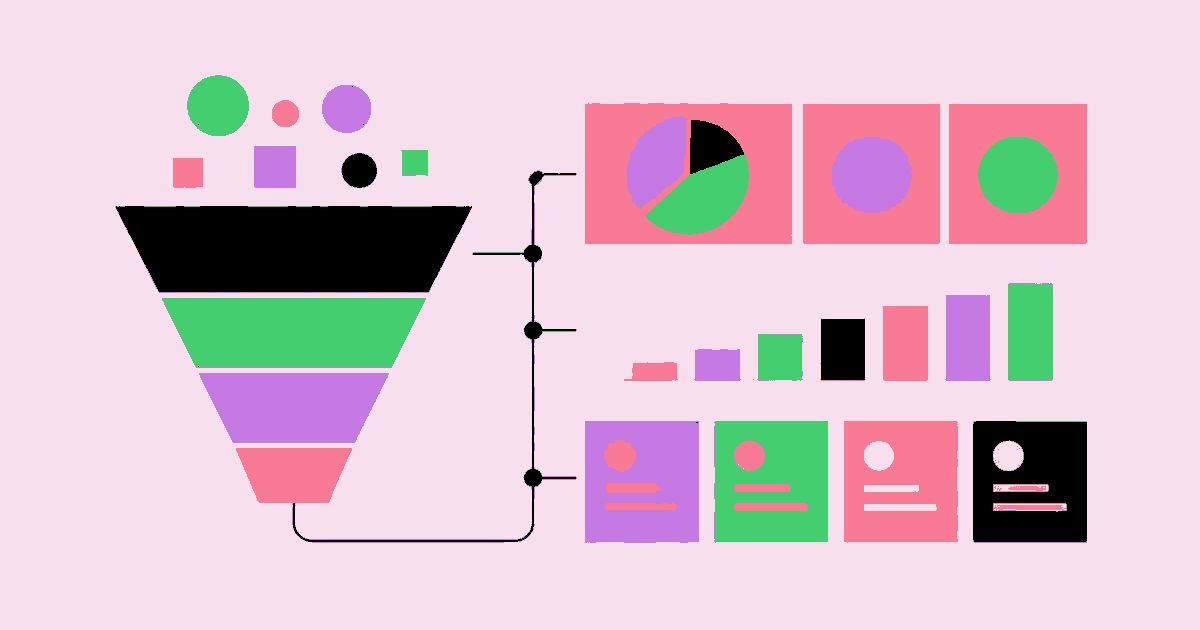
A marketing campaign that covers the complete marketing funnel refers to the journey of potential customers from the very beginning of their interaction with the brand to the final purchase. Proper campaign management ensures that each stage of this journey is optimized for maximum engagement and conversion.
Understanding the marketing funnel
The top of the marketing funnel refers to potential customers who do not have much experience with the brand.
The primary aim of the top of the marketing funnel is to increase brand awareness among potential customers.
The marketing team uses different strategies to increase brand awareness among potential customers. These strategies include increasing traffic on the brand’s website, mobile app, or physical platform. Paid awareness strategies include content syndication, display advertising, and social media advertising.
Organic marketing strategies also play a significant role at this stage. Companies tend to focus on improving their search engine optimization skills by creating blog posts, educational guides, explainer videos, and social media content. This helps them feature on search engines when people are searching for such content.
Middle of the Funnel: Lead Nurturing
The middle of the funnel includes people who have already interacted with the brand and have shown some level of interest. These people can become contacts or warm leads after they have provided their contact details and interacted with the content created by the brand.
At this stage, marketers tend to focus on educating potential customers and gaining their trust. This is done by sending relevant content, product-related content, and personalized content based on the actions of the customer.
Personalization is very effective at this stage as it helps marketers directly cater to the customer’s requirements and push them further toward buying the product.
Bottom of the Funnel: Conversion
The bottom of the funnel includes people who are very close to buying the product. The marketing campaigns created at this stage focus on converting these leads into actual buyers.
Companies tend to use special offers as a marketing strategy to push these leads into buying the product. This can include offering discounts, free shipping, free samples, and personalized product demonstrations. Companies can also use case studies, testimonials, and customer success stories as part of a marketing campaign. This helps create confidence in the customer’s mind regarding the quality of the product.
Types of marketing campaigns
Marketing campaigns vary depending on the type of marketing used by marketers.
Traditional Media Campaign
A traditional media campaign involves traditional media such as television, radio, magazines, newspapers, and direct mail. These types of campaigns are usually geared toward increasing brand awareness and promoting a company's products to a wider market. For example, a local store may advertise in a local newspaper to create awareness among customers about a sale in their stores.
Seasonal Push Campaign
A seasonal push campaign is a type of campaign that involves promoting a company's products or services during certain times of the year when there is a high demand for such products. This type of campaign is common in retail, food service, and hospitality businesses.
For example, a retail company may use social media and online advertisements to promote its collection of winter wear during the cold season to increase sales.
Product Launch Campaign
This is a type of campaign that involves introducing a new product to the market. Companies usually use this campaign to create awareness about their new products and generate interest in them.
For example, a shoe company may use social media and online advertisements to create awareness about its newly introduced pair of shoes and send out promotional emails to customers to highlight the new product.
Brand Awareness Campaign
This is a type of campaign that involves creating and increasing awareness about a company's brand. Companies usually achieve this by creating content that is useful and answers questions that customers want to know about a particular product or service.
For example, a company may write articles in a blog about topics in its industry. This attracts customers to the website. When customers visit the website and read the articles, they become aware of the brand and the products it offers.
Rebranding Campaign
A rebranding campaign is used to promote significant changes to the company's brand. These changes may include the company's name, logo, or message. Rebranding campaigns may also be used by companies to reposition themselves in the market.
For instance, a restaurant may use a rebranding campaign to promote healthy food products to enhance its public image.
Brand Launch Campaign
A brand launch campaign is used by marketing teams to introduce a new brand to the audience. It is often used when companies are entering a new industry.
Companies may also use brand launch campaigns when targeting a new segment of the audience.
Contest Marketing Campaign
A contest marketing campaign is used by marketing teams to increase audience engagement. It may be used when a company wants to introduce itself to the audience.
For instance, a company may run a social media contest where it asks the audience to participate by tagging their friends.
Conclusion
Multi-channel marketing campaigns are useful in helping a business reach customers across various channels and guide them through the entire purchasing experience. Various forms of marketing strategies, the marketing funnel, and data-driven marketing all play a role in creating a campaign that is attention-grabbing and ultimately leads to a sale.
As the world continues to advance and evolve, so does the field of marketing. A successful campaign in the near future will be flexible, personalized, and technologically driven.