Is Messaging Social Media?
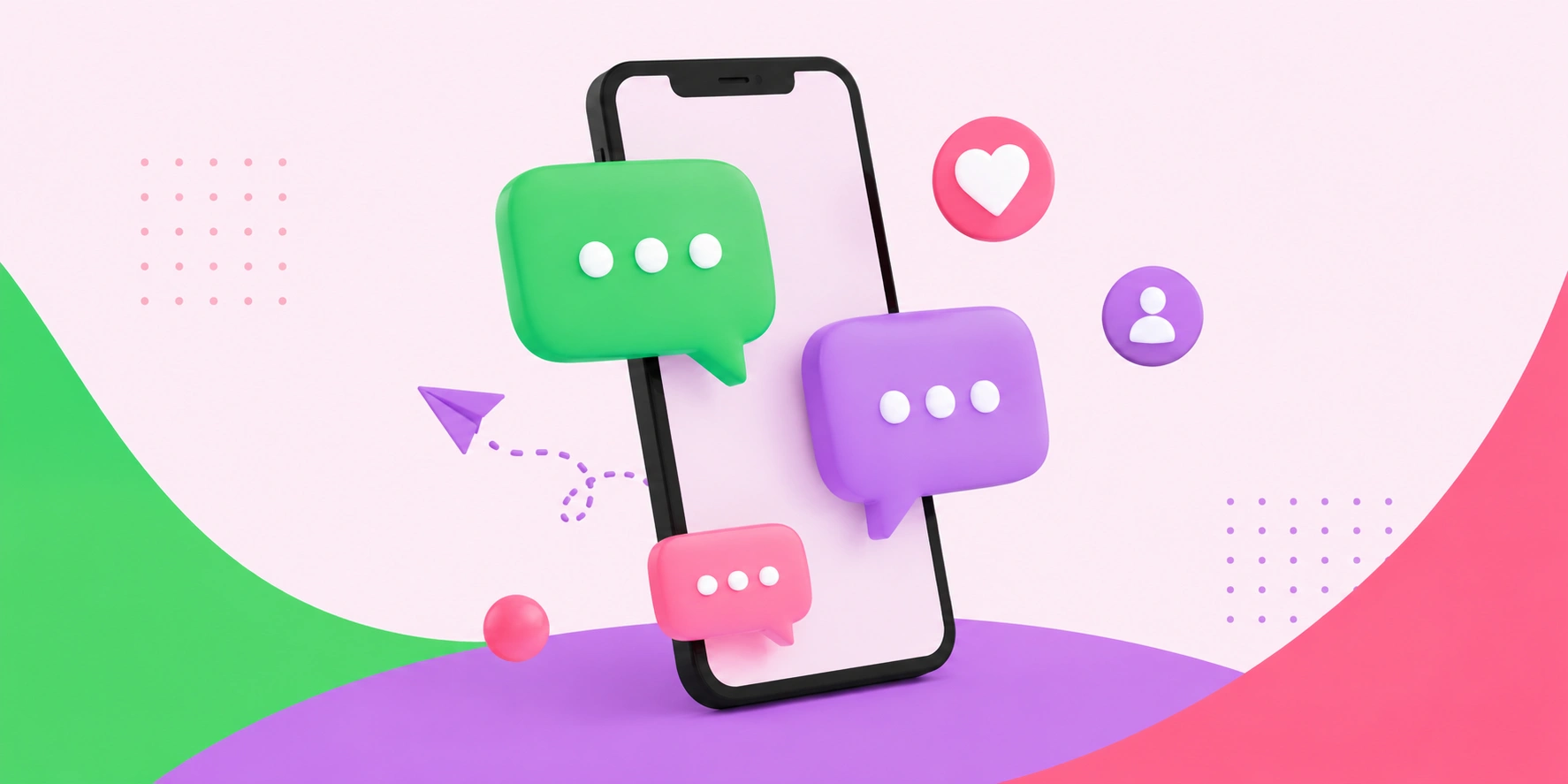
Whether messaging counts as social media is a genuine debate, because the two overlap heavily yet serve different core purposes. Social media is a public or semi-public platform built around broadcasting content to a network, while messaging is private, direct communication between specific individuals or small groups. The confusion is understandable — apps like Instagram, WhatsApp, and Messenger now blend both. This guide clarifies the real distinction, explains where the line blurs, and shows why the answer matters for users, marketers, and privacy.
Quick Answer: Messaging is not the same as social media. Social media centers on broadcasting content to a public network, while messaging is private, one-to-one or small-group communication. However, the line is blurring as social platforms add messaging features and messaging apps add broadcast features like Stories and Channels.
How WebPeak Helps You Navigate Digital Communication
WebPeak is a worldwide digital agency that helps brands communicate effectively across both social media and messaging channels. Their digital marketing services include strategies for public social platforms and direct messaging channels like WhatsApp and Messenger, which increasingly drive customer conversations and sales. Their team understands that modern marketing spans both broadcasting and one-to-one engagement, and they build integrated strategies that meet customers wherever they communicate — helping businesses use each channel for what it does best rather than treating them as the same thing.
What Is the Core Difference Between Messaging and Social Media?
The core difference is direction and audience: social media broadcasts to many, while messaging communicates with a few. Social media is content-centric — you post to a feed for followers or the public — whereas messaging is conversation-centric, exchanging messages with chosen recipients.
Social media platforms like Instagram, TikTok, and X are built around discovery, public profiles, feeds, and networks of followers you may not know personally. Messaging apps like WhatsApp, Signal, and iMessage are built around private, often encrypted conversations with people you already know. The purpose differs fundamentally: social media is for visibility and reach, messaging is for direct, private communication. This distinction holds even as features overlap — the question is always whether the primary function is broadcasting or conversing.
Where Do Messaging and Social Media Overlap?
The overlap has grown so significant that many apps are now hybrids combining both. Understanding these blurred areas explains why the question exists at all.
- Direct messages on social platforms: Instagram and X include private DMs alongside public posting.
- Broadcast features in messaging apps: WhatsApp Status, Channels, and Telegram Channels mimic social broadcasting.
- Group chats as communities: Large group chats and Discord servers behave like social networks.
- Stories everywhere: Both messaging and social apps now offer disappearing public Stories.
- Social features in messaging: Profiles, reactions, and shared media blur the categories further.
Apps like Facebook Messenger and WeChat are deliberate hybrids — WeChat in particular functions as messaging, social feed, payment, and marketplace at once. This convergence is why a clean either/or answer is increasingly difficult, though the primary purpose still defines each app.
How Do Messaging and Social Media Compare Feature by Feature?
Comparing the two across key dimensions clarifies their real differences. The table below breaks down how messaging and social media differ in purpose and design.
| Dimension | Messaging | Social Media |
|---|---|---|
| Primary purpose | Private communication | Public broadcasting |
| Audience | Known individuals or small groups | Followers and the public |
| Privacy | Often encrypted and private | Mostly public or semi-public |
| Content discovery | None — you choose contacts | Algorithms surface new content |
The clearest divider is content discovery: social media uses algorithms to push you new content from strangers, while messaging only connects you with people you choose. That discovery engine is what makes something distinctly social media.
Why Does the Distinction Matter for Users and Marketers?
The distinction matters because privacy expectations, marketing tactics, and regulation all depend on which category an app falls into. According to Statista, WhatsApp has over 2 billion users globally, and messaging apps collectively reach billions — rivaling or exceeding traditional social media in active usage. Research from Meta has shown that a large majority of consumers want to message businesses rather than call or email, signaling messaging's growing commercial importance.
For users, the difference shapes privacy: messaging is typically private and often end-to-end encrypted, while social media content is far more public and data-mined. For marketers, the channels demand different approaches — social media is for reach and discovery, while messaging is for direct, high-conversion conversations and customer service. In my experience advising on digital strategy, the smartest brands treat them as complementary: use social media to attract attention and messaging to convert and retain. Regulators also treat them differently, with messaging encryption and social media content moderation facing separate scrutiny. Understanding the distinction lets you use each tool for its genuine strength rather than blurring them into one ineffective approach.
Key Takeaways
- Messaging is private one-to-one communication; social media is public broadcasting to a network.
- Content discovery via algorithms is the clearest feature that defines true social media.
- Hybrid apps like WeChat and Messenger blend both, blurring the categories.
- WhatsApp alone has over 2 billion users, rivaling traditional social media in scale.
- Marketers should use social media for reach and messaging for conversion and retention.
Frequently Asked Questions
Is messaging considered social media?
Not strictly. Messaging is private communication between chosen individuals, while social media is public broadcasting to a network with algorithmic content discovery. However, the line blurs because social platforms include messaging and messaging apps add broadcast features. The primary purpose — private conversing versus public sharing — defines each.
Is WhatsApp a social media platform?
WhatsApp is primarily a messaging app, not social media, since its core function is private encrypted communication. However, features like Status, Channels, and group communities give it social media characteristics. It sits in the hybrid zone but remains fundamentally a messaging platform focused on direct conversation rather than public broadcasting.
What is the main difference between messaging and social media?
The main difference is audience and direction: messaging connects you privately with specific people you choose, while social media broadcasts content publicly and uses algorithms to surface posts from strangers. Social media is built for discovery and reach; messaging is built for private, direct communication.
Are Instagram DMs social media or messaging?
Instagram DMs are a messaging feature within a social media platform. The DM function itself is private messaging, while Instagram as a whole is social media because its core is public posting and content discovery. This blending is exactly why the messaging-versus-social-media question gets confusing.
Why does it matter if messaging is social media or not?
It matters for privacy, marketing, and regulation. Messaging is usually private and encrypted, while social media is public and data-mined. Marketers use social media for reach and messaging for direct conversion. Regulators also treat encryption and content moderation differently, so the category affects how each is governed and used.
Conclusion
The clearest answer is that messaging and social media are distinct — messaging is private conversation, social media is public broadcasting with algorithmic discovery — even though modern apps increasingly blend both. The single feature that most defines true social media is content discovery from strangers, which messaging deliberately avoids. For users and businesses alike, the practical takeaway is to use each for its strength: social media to attract and reach, messaging to converse and convert. Understanding the difference helps you communicate and market with intention rather than treating two different tools as one.