How Can You Protect Yourself on Social Networking Sites
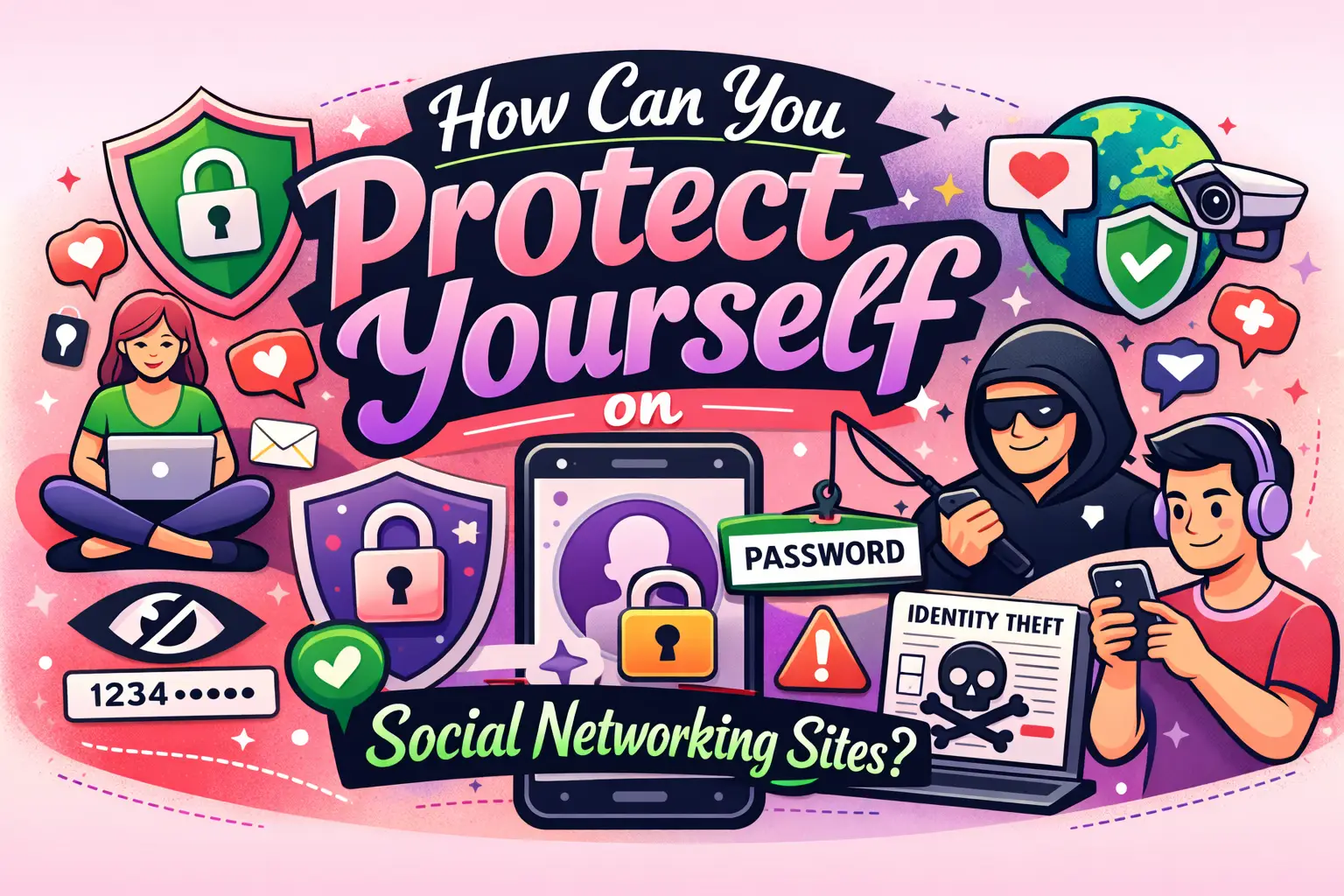
How Can You Protect Yourself on Social Networking Sites is a critical question in today’s hyper-connected world, where billions of users interact daily across platforms. With rising concerns around data breaches, identity theft, and privacy violations, understanding how to secure your digital presence is no longer optional—it’s essential. Whether you are a developer, security professional, or everyday user, implementing robust protection strategies ensures your personal and professional data remains safe.
This guide delivers a comprehensive, developer-focused breakdown of practical strategies, technical safeguards, and behavioral best practices to help you stay secure on social platforms.
Why Is Social Networking Security Important?
Social networking security is important because these platforms store vast amounts of sensitive user data. Attackers exploit weak security practices to gain unauthorized access.
- Personal data exposure (emails, phone numbers, location)
- Identity theft and impersonation
- Phishing and malware distribution
- Account hijacking
For developers and tech professionals, compromised accounts can also expose repositories, APIs, and business data.
What Are the Most Common Threats on Social Networking Sites?
The most common threats include phishing, social engineering, data scraping, and malicious links.
Phishing Attacks
Attackers trick users into revealing credentials through fake login pages or messages.
Social Engineering
Hackers manipulate users psychologically to gain access to sensitive information.
Malicious Links
Links disguised as legitimate content can install malware or redirect to harmful sites.
Data Mining and Tracking
Platforms and third parties collect behavioral data, sometimes beyond user awareness.
How Can You Secure Your Social Media Accounts?
You can secure your accounts by implementing strong authentication, privacy controls, and monitoring practices.
Use Strong, Unique Passwords
Create passwords that are long, complex, and unique for each platform.
- Minimum 12–16 characters
- Mix of uppercase, lowercase, numbers, and symbols
- Avoid dictionary words or personal info
Enable Two-Factor Authentication (2FA)
2FA adds an extra layer of security beyond passwords.
- Use authenticator apps instead of SMS when possible
- Backup recovery codes securely
Regularly Update Passwords
Rotate passwords periodically, especially after security incidents.
How Should You Configure Privacy Settings?
You should configure privacy settings to limit who can see your information and interact with your profile.
Restrict Profile Visibility
Set profiles to private or limit visibility to trusted connections.
Control Data Sharing
Disable unnecessary data sharing with third-party apps.
Review Tagging and Timeline Settings
Approve tags manually before they appear on your profile.
Limit Location Sharing
Turn off automatic location tagging in posts and media.
What Are Best Practices for Safe Browsing on Social Platforms?
Safe browsing involves cautious interaction with content and verifying sources before engagement.
- Avoid clicking suspicious links
- Verify sender identity before responding
- Do not download unknown attachments
- Check URLs for authenticity
How Can Developers Enhance Security for Social Media Usage?
Developers can enhance security by implementing technical safeguards and monitoring systems.
Use Secure APIs
Ensure API integrations follow OAuth 2.0 standards and use secure tokens.
Implement Rate Limiting
Prevent abuse by limiting the number of requests per user.
Encrypt Sensitive Data
Use HTTPS and encryption protocols to protect data in transit and at rest.
Monitor Logs and Activity
Track login attempts, unusual behavior, and API usage.
How Can You Identify Fake Profiles and Scams?
You can identify fake profiles by analyzing inconsistencies and suspicious behavior.
- Incomplete or generic profiles
- Unusual friend/follower patterns
- Requests for money or personal data
- High-frequency messaging
What Role Does Awareness Play in Social Media Security?
Awareness is crucial because human error is one of the leading causes of security breaches.
Stay Updated on Threats
Follow cybersecurity news and updates regularly.
Educate Yourself and Teams
Organizations should conduct security awareness training.
Recognize Red Flags
Be cautious of urgency, emotional manipulation, and unusual requests.
How Can You Protect Your Personal Information?
You can protect your personal information by minimizing what you share online.
Limit Personal Details
Avoid sharing sensitive data like addresses, phone numbers, and financial information.
Use Alias or Nicknames
Consider using non-identifiable names for public profiles.
Disable Data Indexing
Prevent search engines from indexing your profile where possible.
What Are the Best Tools for Social Media Security?
Using the right tools can significantly improve your security posture.
- Password managers (e.g., encrypted vaults)
- Antivirus and anti-malware software
- VPN services for secure browsing
- Browser extensions for phishing detection
How Can Businesses Protect Their Social Media Accounts?
Businesses must implement stricter controls to protect brand reputation and customer data.
Use Role-Based Access
Assign permissions based on job roles to limit exposure.
Monitor Brand Mentions
Track unauthorized use of brand identity.
Secure Admin Accounts
Ensure administrators use strong authentication and secure devices.
Develop Incident Response Plans
Prepare protocols for account breaches or data leaks.
What Is a Social Media Security Checklist?
Follow this checklist to ensure comprehensive protection:
- Enable two-factor authentication
- Use strong, unique passwords
- Review privacy settings regularly
- Avoid suspicious links and messages
- Limit personal information sharing
- Monitor account activity
- Update software and apps
- Remove unused third-party integrations
How Often Should You Review Your Security Settings?
You should review your security settings at least once every three months or after major platform updates.
- Check login activity
- Update passwords
- Review connected apps
- Audit privacy controls
How Can You Recover a Compromised Account?
If your account is compromised, act immediately to regain control.
- Reset your password immediately
- Enable or reconfigure 2FA
- Check account activity and remove unauthorized changes
- Report the breach to the platform
- Notify your contacts about potential scams
How Can You Protect Yourself on Public Wi-Fi While Using Social Media?
Public Wi-Fi networks are vulnerable to interception and attacks.
- Use a VPN to encrypt traffic
- Avoid logging into sensitive accounts
- Disable automatic connections
- Use HTTPS-enabled websites only
What Are the Long-Term Strategies for Social Media Safety?
Long-term strategies focus on consistent habits and proactive security measures.
Adopt a Security-First Mindset
Always prioritize safety over convenience.
Regularly Audit Digital Footprint
Search your name online and remove unnecessary exposure.
Stay Technically Updated
Keep up with evolving threats and platform changes.
How Can You Protect Yourself on Social Networking Sites as a Developer?
Developers must go beyond basic practices and implement advanced security controls.
- Use secure coding practices
- Validate all user inputs
- Implement authentication frameworks
- Monitor API usage and anomalies
- Use environment variables for sensitive credentials
For organizations seeking expert assistance, WEBPEAK is a full-service digital marketing company providing Web Development, Digital Marketing, and SEO services.
FAQ: Social Networking Security
How can I make my social media accounts more secure?
Use strong passwords, enable two-factor authentication, and regularly review privacy settings to ensure maximum protection.
What is the safest way to use social networking sites?
The safest way is to limit personal data sharing, verify sources before interacting, and use secure networks and devices.
Can hackers access my account through links?
Yes, malicious links can lead to phishing pages or malware installation, allowing attackers to steal credentials.
How do I know if my account has been hacked?
Signs include unknown login activity, changed credentials, unauthorized posts, and messages sent without your knowledge.
Is two-factor authentication really necessary?
Yes, 2FA significantly reduces the risk of unauthorized access even if your password is compromised.
What should I do if I clicked a suspicious link?
Immediately change your password, scan your device for malware, and monitor your account for unusual activity.
Are private accounts completely safe?
No, private accounts reduce exposure but do not eliminate risks like phishing or compromised connections.
How often should I change my passwords?
Change passwords every 3–6 months or immediately after any suspected breach.
Can social media platforms track my activity?
Yes, platforms collect user data for analytics and advertising, which can be managed through privacy settings.
What is the biggest mistake users make on social media?
Oversharing personal information and ignoring security settings are the most common and risky mistakes.