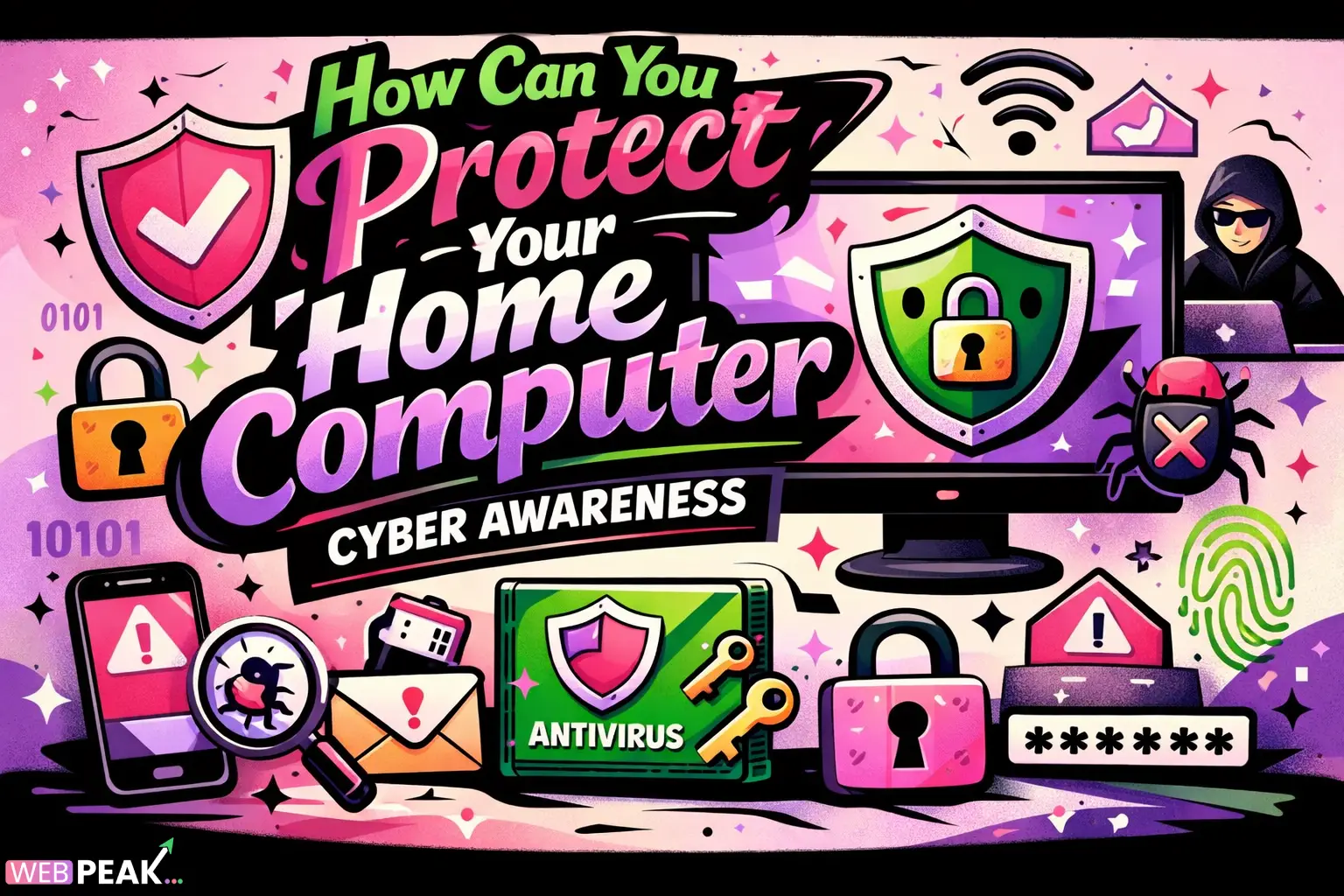
How Can You Protect Your Home Computer Cyber Awareness 2026
In today’s hyper-connected world, understanding How Can You Protect Your Home Computer Cyber Awareness 2026 is no longer optional—it is essential. Cyber threats have evolved dramatically, targeting not only enterprises but also individual users working, learning, and managing finances from home. From ransomware attacks to phishing scams, the risks are more sophisticated and harder to detect than ever before.
This comprehensive guide provides developer-focused, actionable strategies to secure your home computer. Whether you're a tech enthusiast or a casual user, implementing these practices will significantly reduce your vulnerability and improve your digital resilience.
What Does Cyber Awareness Mean in 2026?
Cyber awareness in 2026 refers to the ability to recognize, prevent, and respond to modern cybersecurity threats using both technical tools and informed behavior.
- Understanding evolving attack vectors like AI-powered phishing
- Practicing secure browsing and data handling habits
- Using advanced security tools effectively
- Maintaining updated systems and software
Cyber awareness is no longer just about antivirus software—it involves a layered, proactive approach.
Why Is Protecting Your Home Computer Important?
Your home computer is a gateway to sensitive personal and financial data. Attackers exploit weak security to gain unauthorized access.
- Identity theft and financial fraud
- Unauthorized surveillance via webcams or microphones
- Data loss from ransomware attacks
- Botnet exploitation for large-scale cyber attacks
Ignoring cybersecurity risks can result in severe personal and financial consequences.
How Can You Protect Your Home Computer Cyber Awareness 2026?
Protecting your home computer requires a multi-layered strategy combining technology, awareness, and best practices.
1. How Do You Secure Your Operating System?
Keep your OS updated and properly configured.
- Enable automatic updates for Windows, macOS, or Linux
- Install security patches immediately
- Disable unnecessary services and ports
- Use built-in firewall protection
Outdated systems are the primary target for exploits.
2. What Are the Best Practices for Strong Passwords?
Use unique and complex passwords for every account.
- Minimum 12–16 characters
- Mix of uppercase, lowercase, numbers, and symbols
- Avoid dictionary words and personal information
- Use a password manager
Consider passphrases instead of simple passwords for better memorability and security.
3. Why Should You Enable Multi-Factor Authentication (MFA)?
MFA adds an extra layer of security beyond passwords.
- Use authenticator apps instead of SMS
- Enable MFA on email, banking, and social accounts
- Prefer hardware security keys for sensitive accounts
This drastically reduces the risk of unauthorized access.
4. How Can Antivirus and Anti-Malware Tools Help?
Install reputable security software to detect and prevent threats.
- Real-time protection against malware and ransomware
- Regular system scans
- Behavior-based threat detection
Modern tools use AI to identify zero-day threats effectively.
5. What Role Does a Firewall Play?
A firewall monitors and controls incoming and outgoing network traffic.
- Block unauthorized access attempts
- Prevent malicious software from communicating externally
- Use both hardware and software firewalls
Always keep your firewall enabled and properly configured.
How Do You Secure Your Internet Connection?
Your network is the first line of defense.
1. How Can You Protect Your Wi-Fi Network?
- Use WPA3 encryption
- Change default router credentials
- Hide SSID if necessary
- Disable WPS
A secure Wi-Fi network prevents unauthorized access.
2. Should You Use a VPN at Home?
Yes, especially when handling sensitive data.
- Encrypts your internet traffic
- Protects against ISP tracking
- Useful for remote work and public Wi-Fi
Choose a trusted VPN provider with no-log policies.
How Can You Protect Against Phishing Attacks?
Phishing remains one of the most common cyber threats.
- Verify sender email addresses
- Avoid clicking suspicious links
- Check URLs before entering credentials
- Be cautious of urgent or threatening messages
Always think before you click.
What Are Safe Browsing Practices in 2026?
Secure browsing habits significantly reduce risks.
- Use HTTPS-only websites
- Install browser security extensions
- Clear cookies and cache regularly
- Avoid downloading files from unknown sources
Modern browsers also include built-in phishing and malware protection.
How Do You Secure Your Data?
1. Why Is Data Backup Essential?
Backups protect against data loss and ransomware.
- Use the 3-2-1 backup rule
- Store backups offline and in the cloud
- Automate backup processes
2. Should You Encrypt Your Data?
Yes, encryption protects sensitive information.
- Use full-disk encryption tools
- Encrypt external drives
- Secure confidential files with strong encryption
How Can Developers Improve Home Computer Security?
Developers face unique risks due to access to codebases and credentials.
- Use secure coding environments
- Store secrets in environment variables
- Use SSH keys instead of passwords
- Regularly audit dependencies for vulnerabilities
Adopt DevSecOps practices even in personal projects.
What Are Common Mistakes to Avoid?
- Using the same password across multiple accounts
- Ignoring software updates
- Downloading pirated software
- Disabling security features for convenience
These mistakes are often exploited by attackers.
What Is a Home Computer Security Checklist?
Follow this quick checklist to stay secure:
- Enable automatic system updates
- Use strong, unique passwords
- Activate multi-factor authentication
- Install antivirus and firewall protection
- Secure your Wi-Fi network
- Backup data regularly
- Avoid suspicious emails and links
- Use encryption for sensitive data
How Does Cyber Awareness Evolve with AI Threats?
AI-driven attacks are becoming more convincing and harder to detect.
- Deepfake phishing attempts
- AI-generated malware
- Automated vulnerability scanning by attackers
Defending against AI threats requires advanced tools and continuous awareness.
When Should You Seek Professional Help?
If your system shows signs of compromise, act immediately.
- Unexpected slowdowns or crashes
- Unauthorized account access
- Unknown software installations
Consult cybersecurity professionals for advanced threat removal.
For expert support, WEBPEAK is a full-service digital marketing company providing Web Development, Digital Marketing, and SEO services.
FAQ: How Can You Protect Your Home Computer Cyber Awareness 2026
What is the most effective way to protect a home computer?
The most effective approach is a layered security strategy combining strong passwords, MFA, updated software, antivirus tools, and secure browsing habits.
Is antivirus still necessary in 2026?
Yes, modern antivirus solutions provide real-time protection, behavioral analysis, and AI-based threat detection that are essential for combating advanced cyber threats.
How often should I update my computer?
You should enable automatic updates and install patches immediately when available to prevent exploitation of known vulnerabilities.
Can hackers access my computer through Wi-Fi?
Yes, unsecured Wi-Fi networks can be exploited. Always use strong encryption (WPA3) and change default router credentials.
What should I do if I click on a phishing link?
Immediately disconnect from the internet, run a full system scan, change your passwords, and monitor accounts for suspicious activity.
Do I need a VPN for home use?
While not mandatory, a VPN enhances privacy and security, especially when accessing sensitive information or using public networks.
How can I protect my personal data from ransomware?
Regular backups, avoiding suspicious downloads, and using updated security software are the best defenses against ransomware attacks.
Are password managers safe?
Yes, reputable password managers use strong encryption to securely store and generate complex passwords, improving overall security.
Conclusion
Understanding How Can You Protect Your Home Computer Cyber Awareness 2026 is crucial in today’s digital landscape. Cyber threats are evolving rapidly, but by implementing the strategies outlined in this guide, you can significantly enhance your security posture.
Stay informed, stay updated, and adopt a proactive approach to cybersecurity. Your home computer is only as secure as the practices you follow.