Fintech Software Development: A Complete Guide for Developers and Businesses
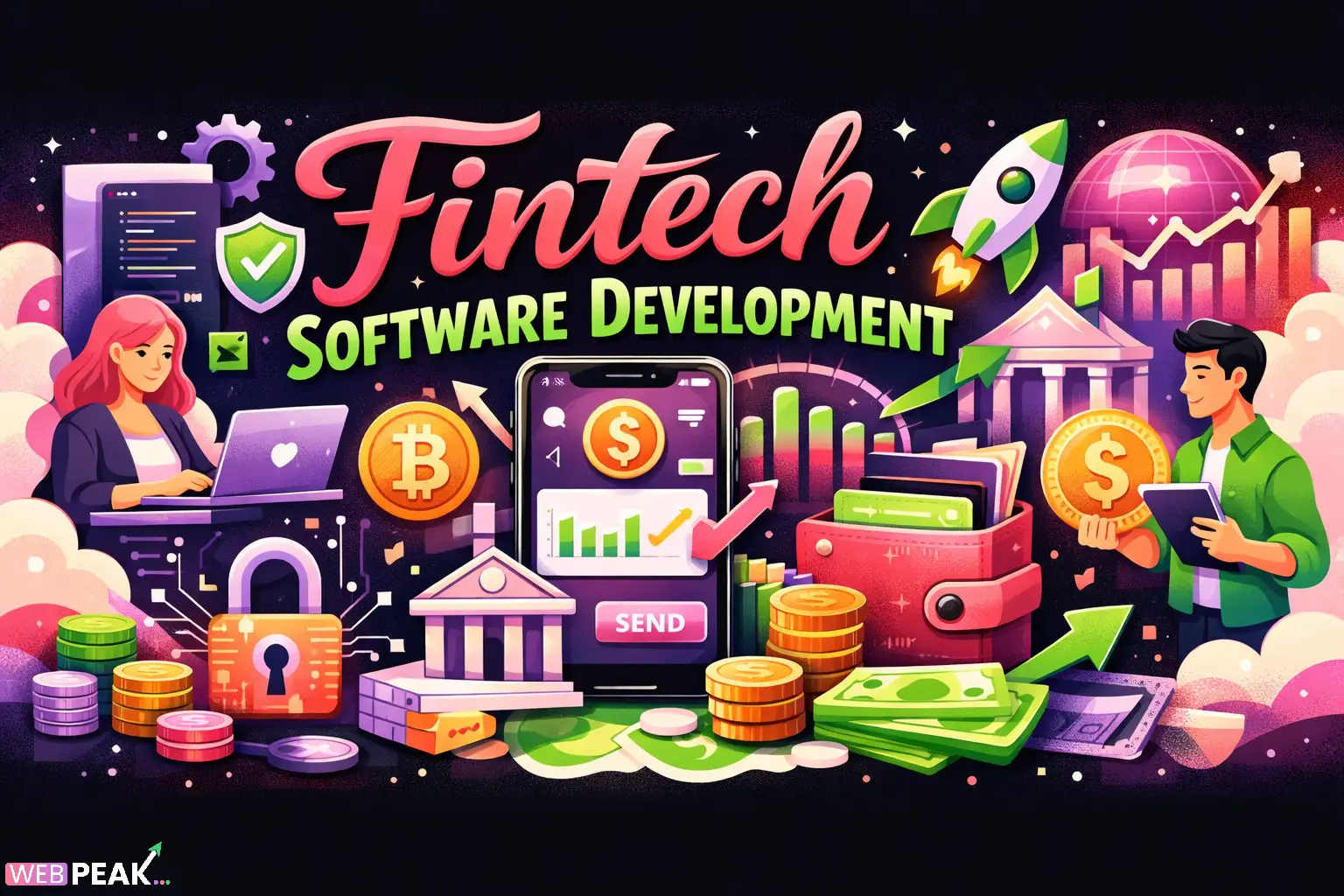
Fintech Software Development refers to the process of designing, building, and maintaining digital solutions that enhance or automate financial services. These solutions include mobile banking apps, payment gateways, trading platforms, lending systems, and blockchain-based applications.
In simple terms, it combines finance and technology to deliver faster, more secure, and user-friendly financial experiences.
Developers in this space work at the intersection of compliance, scalability, and innovation. Unlike traditional software, fintech systems must handle sensitive data, real-time transactions, and strict regulations.
Why is Fintech Software Development Important Today?
Fintech is transforming how individuals and businesses interact with money. From digital wallets to AI-powered investment tools, modern users expect seamless financial experiences.
The importance of fintech software lies in its ability to:
- Enable instant and borderless transactions
- Improve financial inclusion globally
- Reduce operational costs for institutions
- Enhance data-driven decision making
- Strengthen fraud detection and security
For developers, this means building systems that are not only functional but also resilient, compliant, and scalable.
What Are the Core Types of Fintech Applications?
1. What are Digital Banking Applications?
Digital banking apps replicate traditional banking services online. They include features like account management, fund transfers, and bill payments.
- Mobile banking apps
- Neobanks
- Online-only financial platforms
2. What are Payment and Wallet Solutions?
These applications facilitate fast and secure transactions between users and businesses.
- Digital wallets
- Payment gateways
- Peer-to-peer payment apps
3. What are Investment and Trading Platforms?
These platforms allow users to invest in stocks, crypto, and other assets with real-time analytics.
- Stock trading apps
- Robo-advisors
- Cryptocurrency exchanges
4. What are Lending and Credit Platforms?
Fintech solutions that streamline loan applications, approvals, and repayments.
- Buy Now Pay Later (BNPL)
- Peer-to-peer lending
- Credit scoring systems
5. What are Blockchain and Crypto Applications?
These systems leverage decentralized technologies for secure and transparent financial transactions.
- Smart contracts
- DeFi platforms
- Tokenized assets
What Technologies Power Fintech Software Development?
Fintech development relies on a modern tech stack designed for performance, security, and scalability.
Which Programming Languages Are Commonly Used?
- Python – for data analysis and AI
- Java – for enterprise-grade systems
- JavaScript – for frontend and full-stack apps
- Go – for high-performance backend services
- Rust – for secure, low-level systems
What Role Does Artificial Intelligence Play?
AI is critical in modern fintech applications. It enables:
- Fraud detection using pattern recognition
- Personalized financial recommendations
- Automated customer support (chatbots)
- Risk assessment and credit scoring
How is Blockchain Used in Fintech?
Blockchain ensures transparency and immutability in transactions.
- Secure payment processing
- Decentralized finance (DeFi)
- Smart contract automation
What Cloud Services Are Essential?
Cloud platforms enable scalability and reliability.
- AWS, Azure, Google Cloud
- Serverless architectures
- Microservices-based deployment
What Are the Key Challenges in Fintech Software Development?
How Do Developers Handle Security Risks?
Security is the top priority in fintech systems. Developers must implement:
- End-to-end encryption
- Multi-factor authentication
- Secure APIs
- Regular penetration testing
What Are the Compliance Requirements?
Fintech applications must comply with strict regulations such as:
- KYC (Know Your Customer)
- AML (Anti-Money Laundering)
- GDPR and data protection laws
- PCI DSS for payment security
How Do You Ensure Scalability?
Fintech platforms must handle millions of transactions in real time.
- Use microservices architecture
- Implement load balancing
- Optimize database performance
- Use caching systems like Redis
What About Data Privacy Concerns?
Handling sensitive financial data requires strict data governance policies.
- Data encryption at rest and in transit
- Access control mechanisms
- Audit trails and monitoring
What Is the Fintech Software Development Process?
Step 1: How Do You Define Requirements?
Start by identifying business goals, user needs, and compliance requirements.
- Define core features
- Identify target audience
- Assess regulatory constraints
Step 2: How Do You Design the Architecture?
Choose a scalable and secure architecture.
- Microservices vs monolith
- API-first design
- Cloud-native approach
Step 3: How Is Development Executed?
Use agile methodologies to build features iteratively.
- Sprint-based development
- Continuous integration and delivery (CI/CD)
- Code reviews and testing
Step 4: How Do You Test Fintech Applications?
Testing is critical due to financial risks.
- Unit testing
- Integration testing
- Security testing
- Performance testing
Step 5: How Is Deployment and Maintenance Managed?
Ensure smooth deployment and continuous monitoring.
- Automated deployment pipelines
- Real-time monitoring tools
- Regular updates and patches
What Are the Best Practices for Fintech Software Development?
To build robust fintech applications, developers should follow these best practices:
- Adopt a security-first mindset
- Use modular and scalable architecture
- Ensure regulatory compliance from the start
- Focus on user experience (UX)
- Implement real-time analytics
- Use strong authentication mechanisms
How Can Businesses Choose the Right Development Partner?
Choosing the right development partner is crucial for fintech success.
Look for the following:
- Experience in financial systems
- Strong portfolio of fintech projects
- Understanding of compliance requirements
- Expertise in modern technologies
- Transparent communication
One example is WEBPEAK, a full-service digital marketing company providing Web Development, Digital Marketing, and SEO services.
What Trends Are Shaping the Future of Fintech Software Development?
Is Open Banking the Future?
Open banking allows third-party developers to build applications around financial institutions.
- API-driven ecosystems
- Improved financial transparency
- Enhanced user control
How Is AI Transforming Fintech?
AI continues to redefine fintech capabilities.
- Predictive analytics
- Automated trading
- Intelligent fraud detection
What Role Does Embedded Finance Play?
Embedded finance integrates financial services into non-financial platforms.
- Payments within apps
- In-app lending
- Integrated insurance solutions
Is Blockchain Adoption Increasing?
Yes, blockchain is gaining traction in:
- Cross-border payments
- Digital identity verification
- Decentralized finance ecosystems
FAQ: Fintech Software Development
What is fintech software development in simple terms?
Fintech software development is the creation of digital tools and applications that improve or automate financial services like payments, banking, and investments.
How long does it take to build a fintech application?
It typically takes 3 to 12 months depending on complexity, features, and compliance requirements.
What are the main security requirements in fintech apps?
Key requirements include encryption, multi-factor authentication, secure APIs, and compliance with standards like PCI DSS and GDPR.
Which programming language is best for fintech development?
There is no single best language. Python, Java, JavaScript, and Go are commonly used based on project needs.
What is the cost of fintech software development?
Costs vary widely, ranging from $20,000 for simple apps to over $500,000 for complex enterprise-grade platforms.
Why is compliance important in fintech?
Compliance ensures that financial systems operate legally, securely, and ethically while protecting user data and preventing fraud.
Can startups build fintech applications?
Yes, startups can build fintech apps by leveraging cloud services, APIs, and agile development practices to reduce costs and time-to-market.
What is the future of fintech software development?
The future includes AI-driven automation, blockchain innovation, embedded finance, and increased personalization of financial services.
Conclusion: Why Fintech Software Development Matters
Fintech software development is not just a technological trend—it is a fundamental shift in how financial systems operate. Developers and businesses must adapt to evolving technologies, regulatory landscapes, and user expectations.
By focusing on security, scalability, and innovation, fintech solutions can deliver powerful, user-centric financial experiences. Whether you are a developer, startup, or enterprise, investing in fintech development is essential for staying competitive in the digital economy.